
How to Cook Buckwheat: Fluffy Stovetop Method
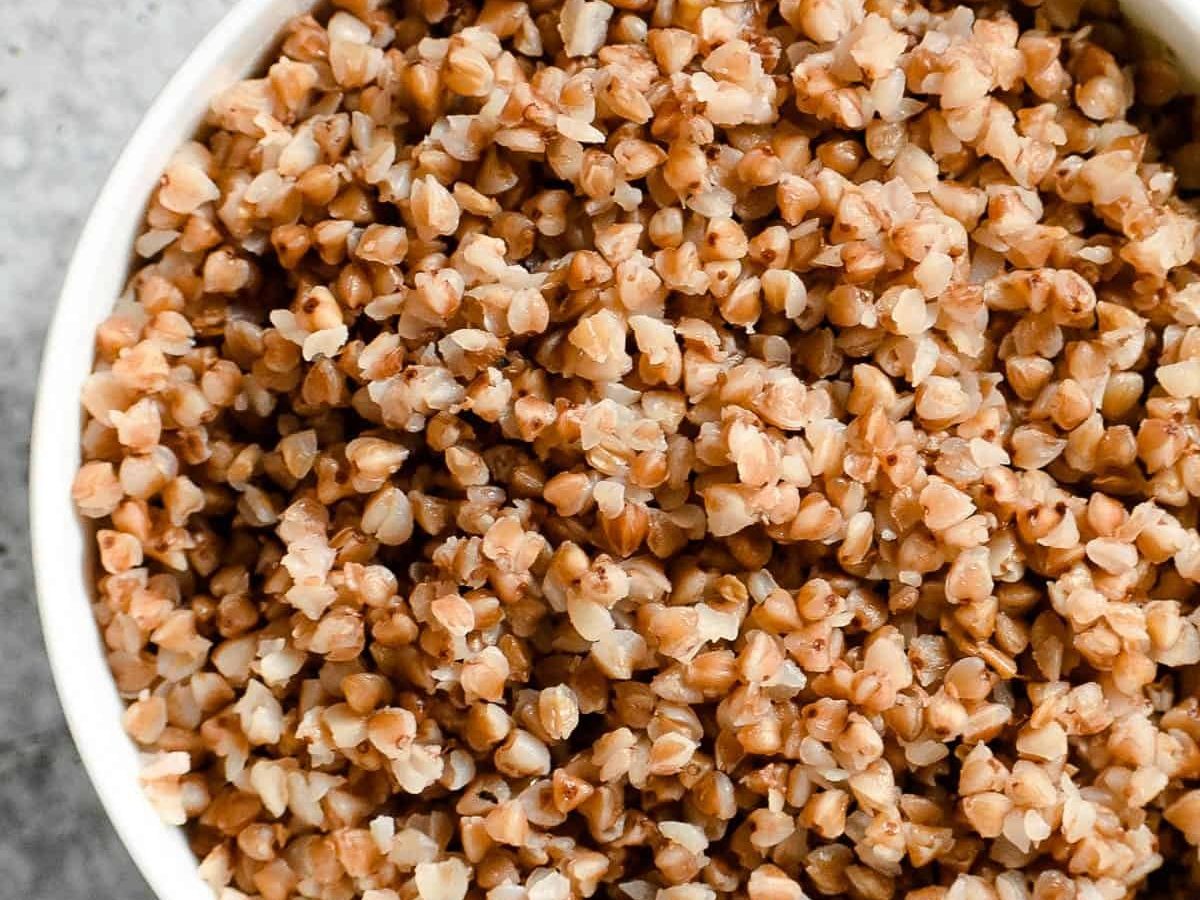
Buckwheat is a nutritious, gluten-free seed with a nutty, toasty flavor and a pleasantly soft texture. Often mistaken for a grain because of its name, buckwheat is unrelated to wheat and is naturally gluten free. It’s inexpensive, simple to prepare—similar to cooking white rice—and makes a versatile staple for breakfast, lunch, or dinner. Below you’ll find clear, reliable instructions for cooking buckwheat kasha perfectly every time, together with tips for buying, toasting, reheating, and storing it.
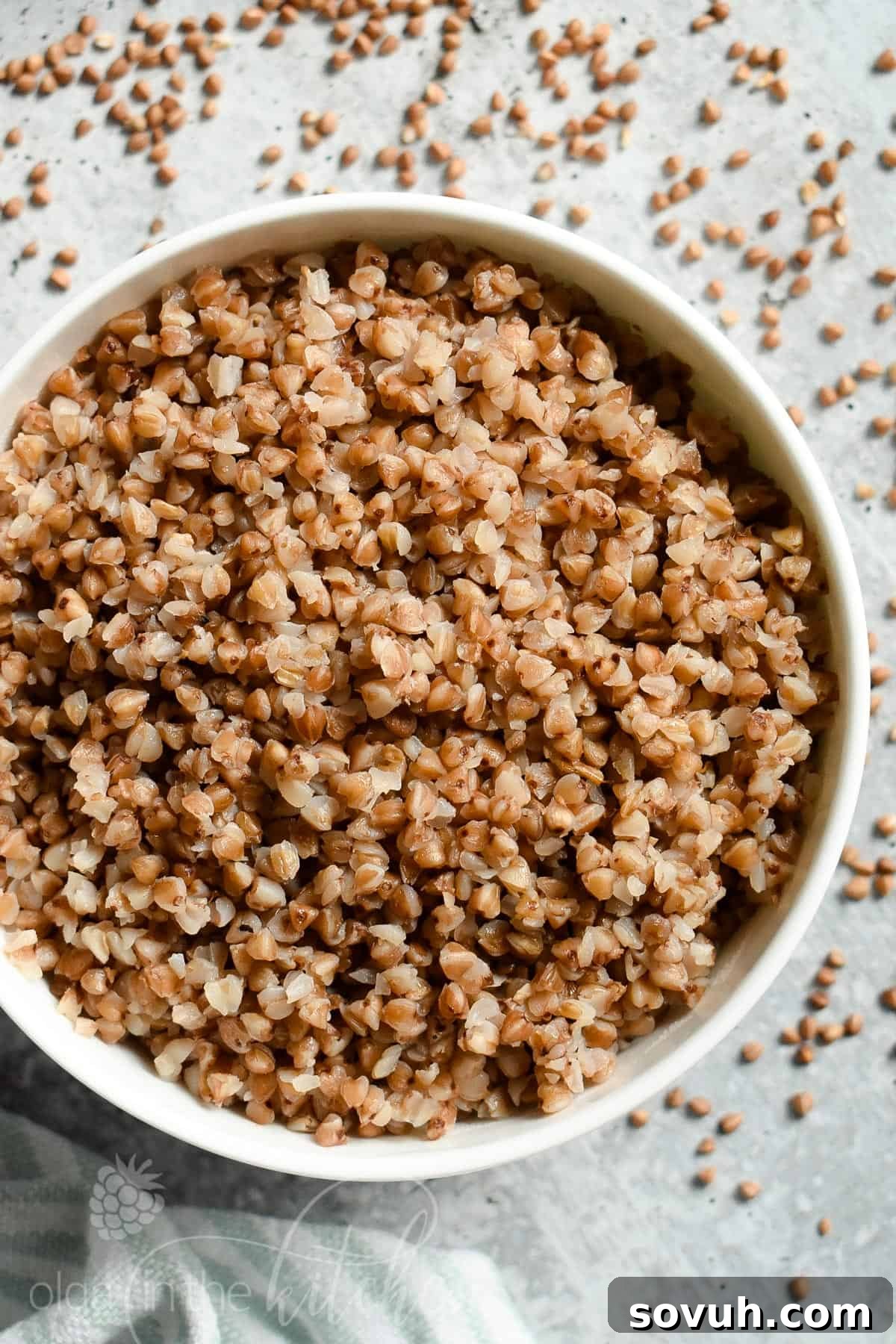
I didn’t grow up eating buckwheat, but a couple of years ago I tried it and it quickly became one of my favorite simple, satisfying meals. Buckwheat kasha works well as a warm porridge for breakfast or as a savory side or main dish. It pairs wonderfully with meatballs, baked chicken, roasted vegetables, or a crisp salad. You can have a complete meal ready in under an hour.
What is Buckwheat?
Buckwheat is a seed, not a true cereal grain, and it’s naturally gluten free. It has a distinct nutty, toasted aroma and a soft, slightly chewy texture when cooked. Because it’s high in protein, fiber, and minerals, buckwheat is often treated as a healthy alternative to rice or other grains. Toasted buckwheat—commonly sold as groats or kasha—offers deeper flavor and an appealing golden-brown color.
Where to Buy and How to Toast Buckwheat
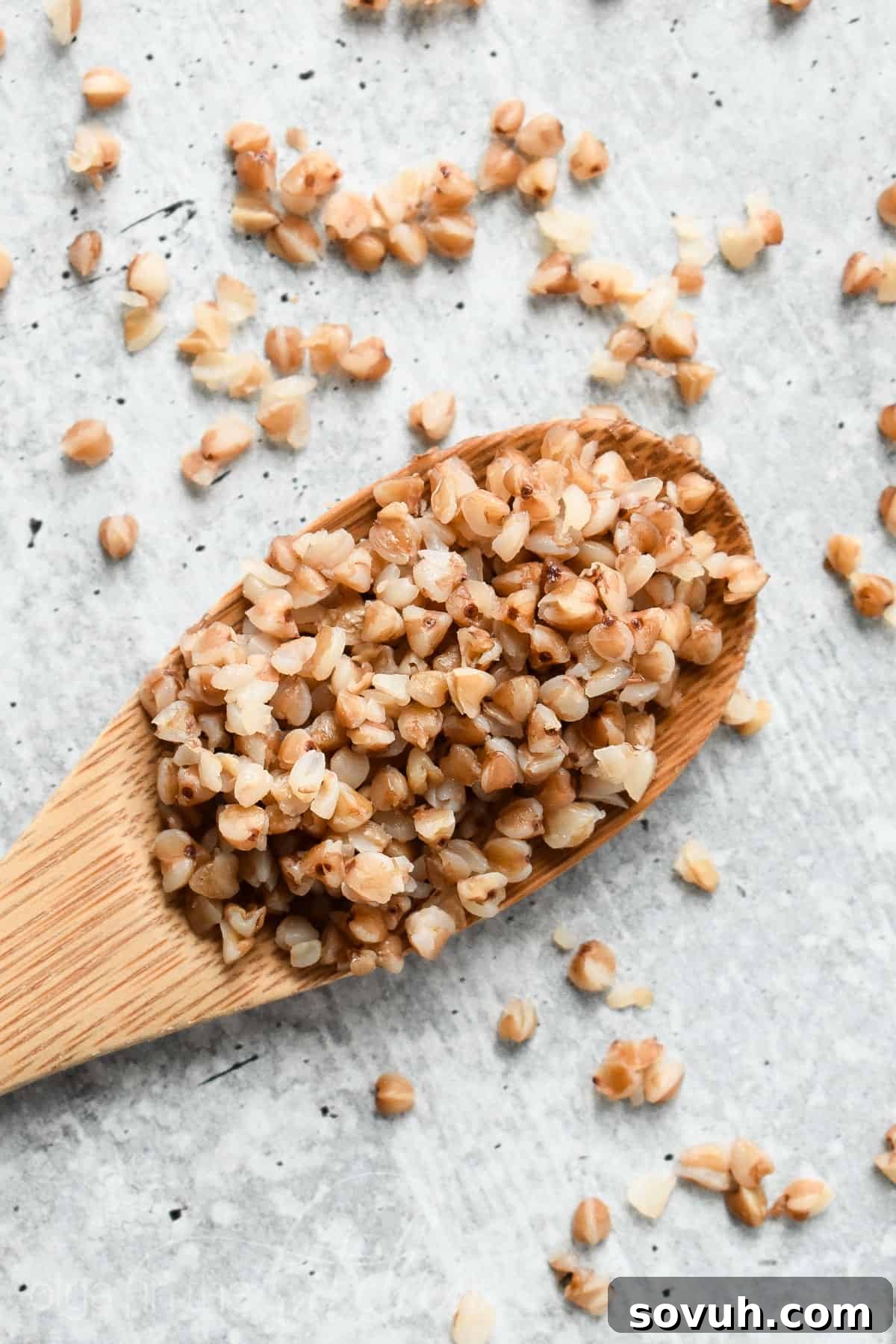
Look for toasted buckwheat groats at Eastern European, Russian, or Asian markets; these typically come pre-toasted and are golden brown. If your groats are raw, you can toast them quickly in a dry skillet over medium heat for 4–5 minutes until they turn golden and release a warm, nutty aroma—then proceed with the recipe.
If you prefer a denser texture that resists overcooking, the toasted varieties from traditional markets tend to work best. While organic options are available, some organic groats have a different texture that may alter the final result, so test a small batch if trying a new product.
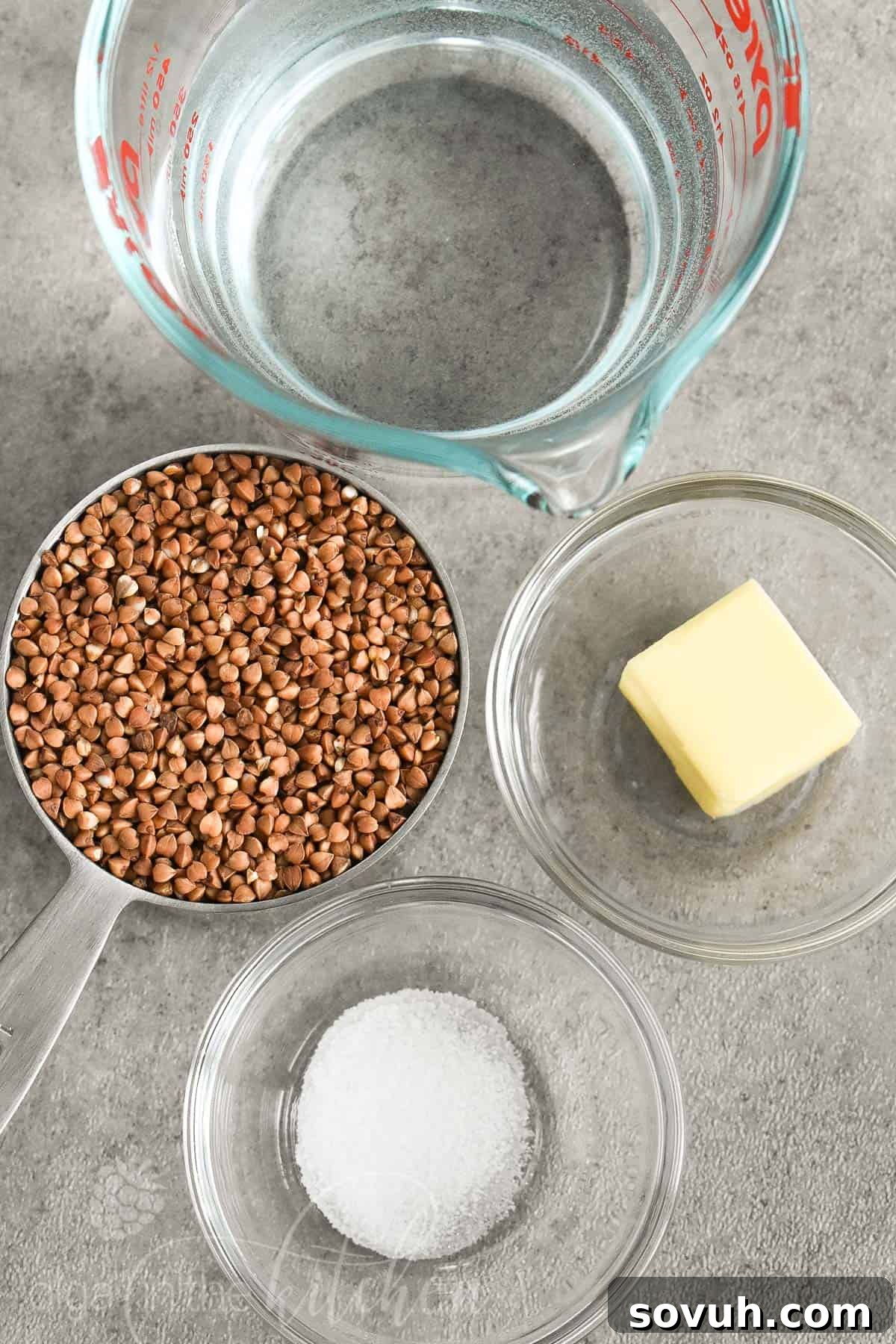
Ingredients for Cooked Buckwheat (Kasha)
- 1 cup toasted buckwheat groats
- 1 1/2 cups filtered water
- 2 tablespoons unsalted butter (or to taste)
- 1/2 teaspoon fine salt (or to taste)
How to Cook Buckwheat Kasha
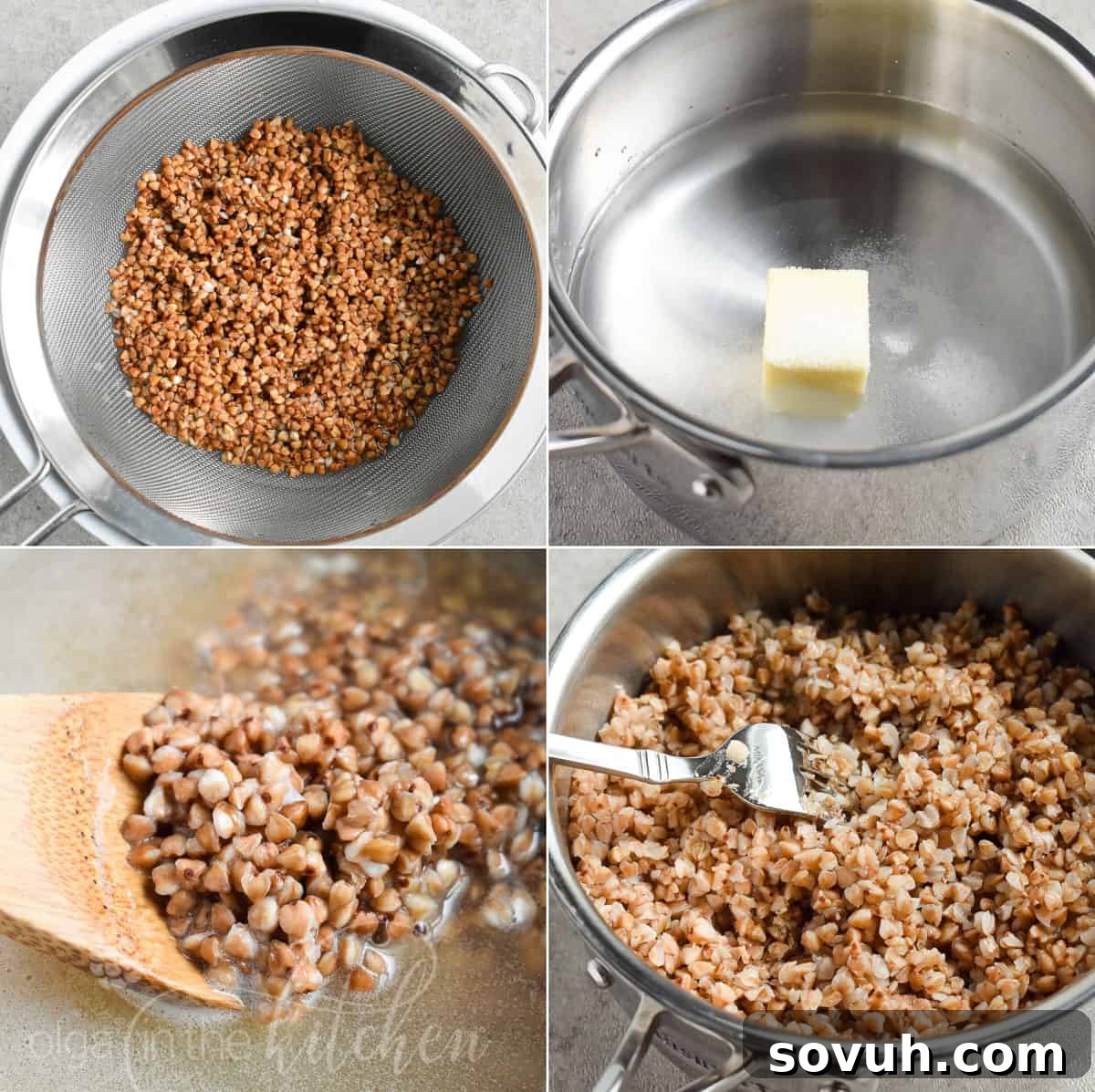
- Place 1 cup toasted buckwheat groats in a fine-mesh strainer and rinse under cool running water until the water runs clear. Drain thoroughly.
- In a small saucepan with a lid, bring 1 1/2 cups cold water, 2 tablespoons unsalted butter, and 1/2 teaspoon fine salt to a boil over high heat.
- Stir in the drained buckwheat, cover, return to a gentle simmer, and reduce heat to low. Cook until the water is absorbed, about 13–15 minutes. (You’ll hear a gentle hissing while it cooks; it becomes quiet when done. Nonstick pans may add 2–3 extra minutes.)
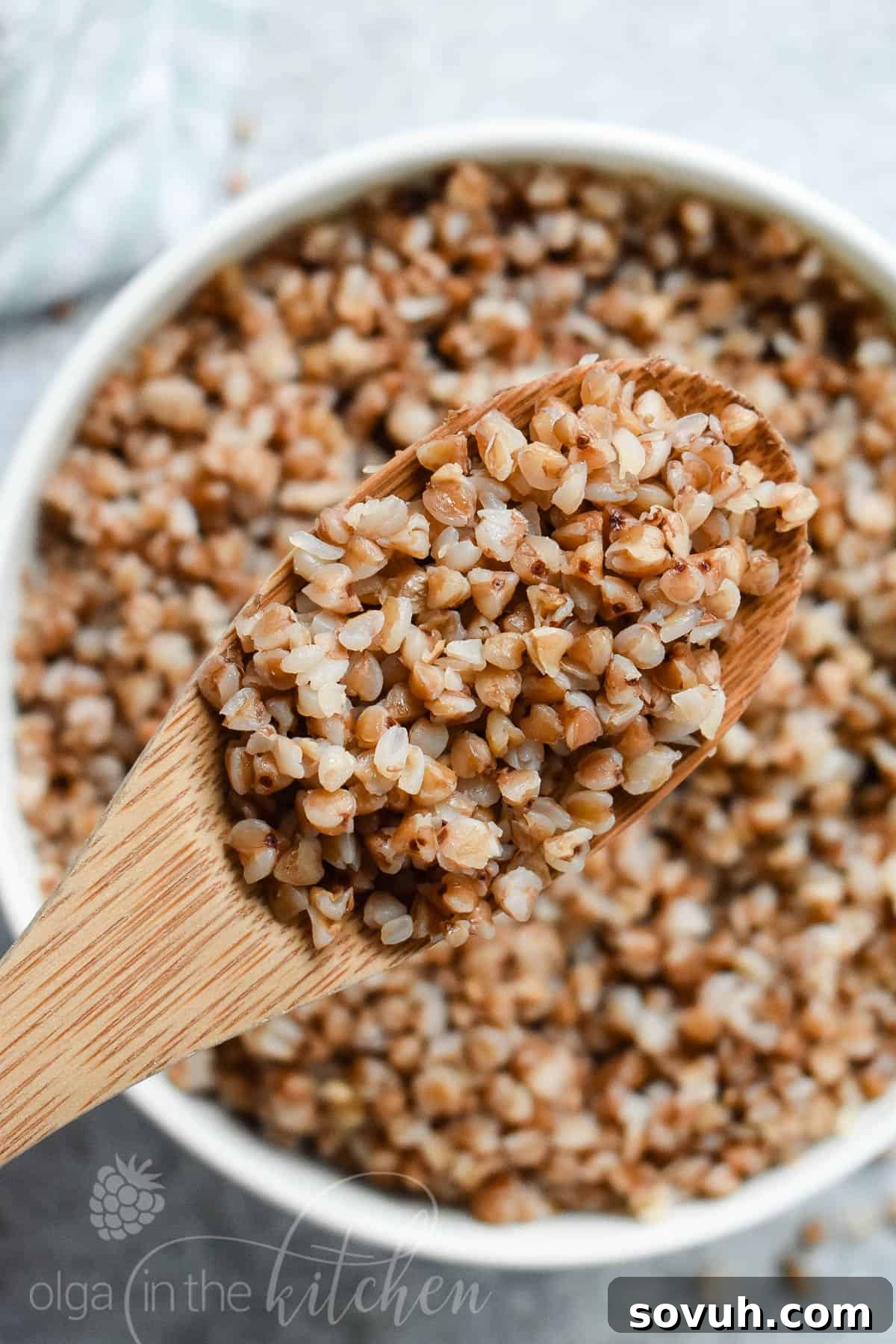
- Remove from heat and let the buckwheat rest, covered, for 10 minutes. Fluff gently with a fork. This amount yields roughly 3 cups cooked kasha. Add a little extra butter if desired, but avoid excessive stirring to prevent mashing the grains.
- Serve immediately, refrigerate once cooled, and avoid leaving cooked buckwheat at room temperature for extended periods.
Health Benefits
Buckwheat is often considered a superfood. It’s low in carbohydrates relative to some grains, naturally gluten free, and a good source of protein, fiber, potassium, iron, and vitamin B6. It also supplies magnesium, copper, zinc, and manganese, which support immune function and overall health. For people with celiac disease or gluten sensitivity, buckwheat is an excellent alternative to wheat-based grains.
Tips to Avoid Mushy Buckwheat
The key to non-mushy buckwheat is the right water ratio, correct cooking time, and using toasted, dense groats. Too much water or prolonged cooking will produce a softer, porridge-like texture. That said, lightly mushy kasha is still tasty and preferred by some families or for feeding toddlers.
How to Reheat Cooked Buckwheat
The fastest method is the microwave: cover the bowl to avoid splatter and heat in short intervals until warmed through. Alternatively, reheat in a nonstick skillet over low heat with a little butter, covered, for even heating. Either method takes only a few minutes.
Benefits Summary
- Rich in minerals, antioxidants, iron, and fiber.
- Filling and nutritious—helps with satiety.
- Gluten-free and suitable for many diets.
- Cost-effective and simple to prepare.
Easy Recipe Summary
Prep Time: 5 minutes | Cook Time: 15 minutes | Total Time: 20 minutes | Yield: about 3 cups cooked
Ingredients
- 1 cup toasted buckwheat groats
- 1 1/2 cups water
- 2 tbsp unsalted butter
- 1/2 tsp fine salt
Instructions
- Rinse 1 cup buckwheat in a fine-mesh strainer until the water runs clear; drain well.
- Bring 1 1/2 cups water, butter, and salt to a boil in a small saucepan.
- Add the buckwheat, cover, reduce to low, and simmer 13–15 minutes until water is absorbed.
- Remove from heat; let rest covered 10 minutes. Fluff with a fork and serve.
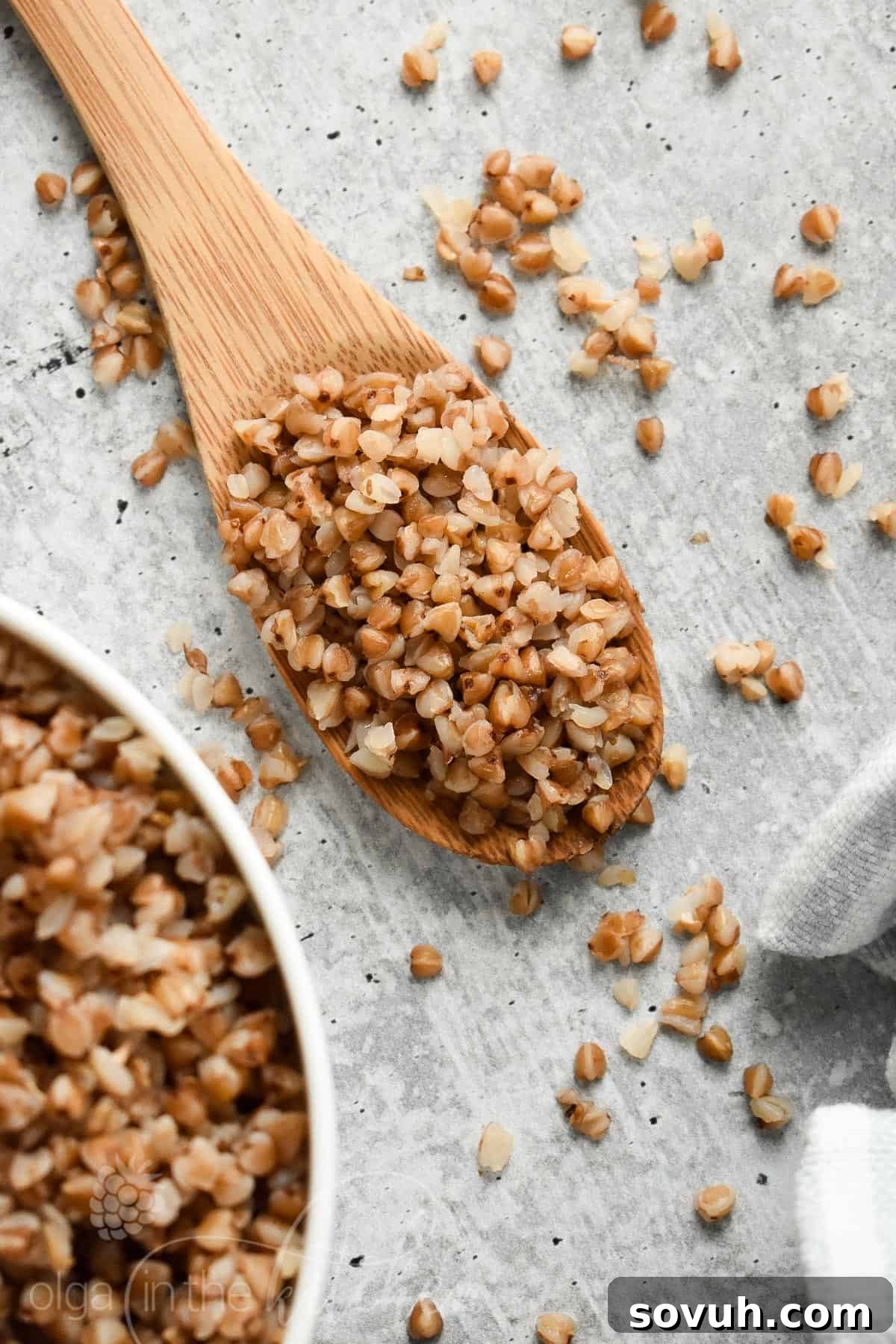
Buckwheat is an easy, healthy pantry staple. Once you’ve mastered the simple water-to-buckwheat ratio and cooking time, you can adapt it for sweet breakfasts or savory dinners and enjoy a nutritious, gluten-free alternative to rice and other grains.











