
How to Make Ground Pork at Home
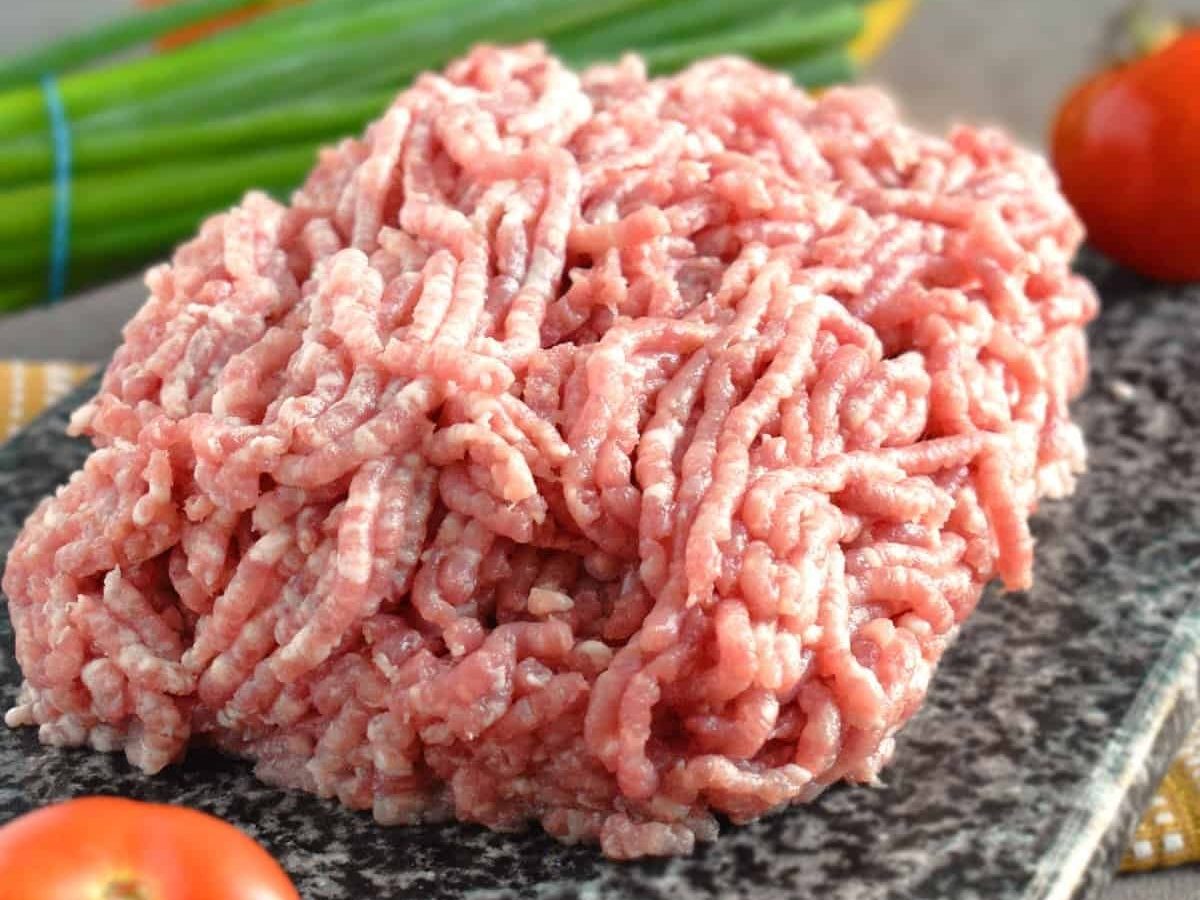
Making homemade ground pork is a quick, reliable way to always have fresh ground pork on hand for meatballs and many other dishes. This guide explains how to choose meat, grind it at home, and store portions so you can pull out exactly what you need for any recipe.
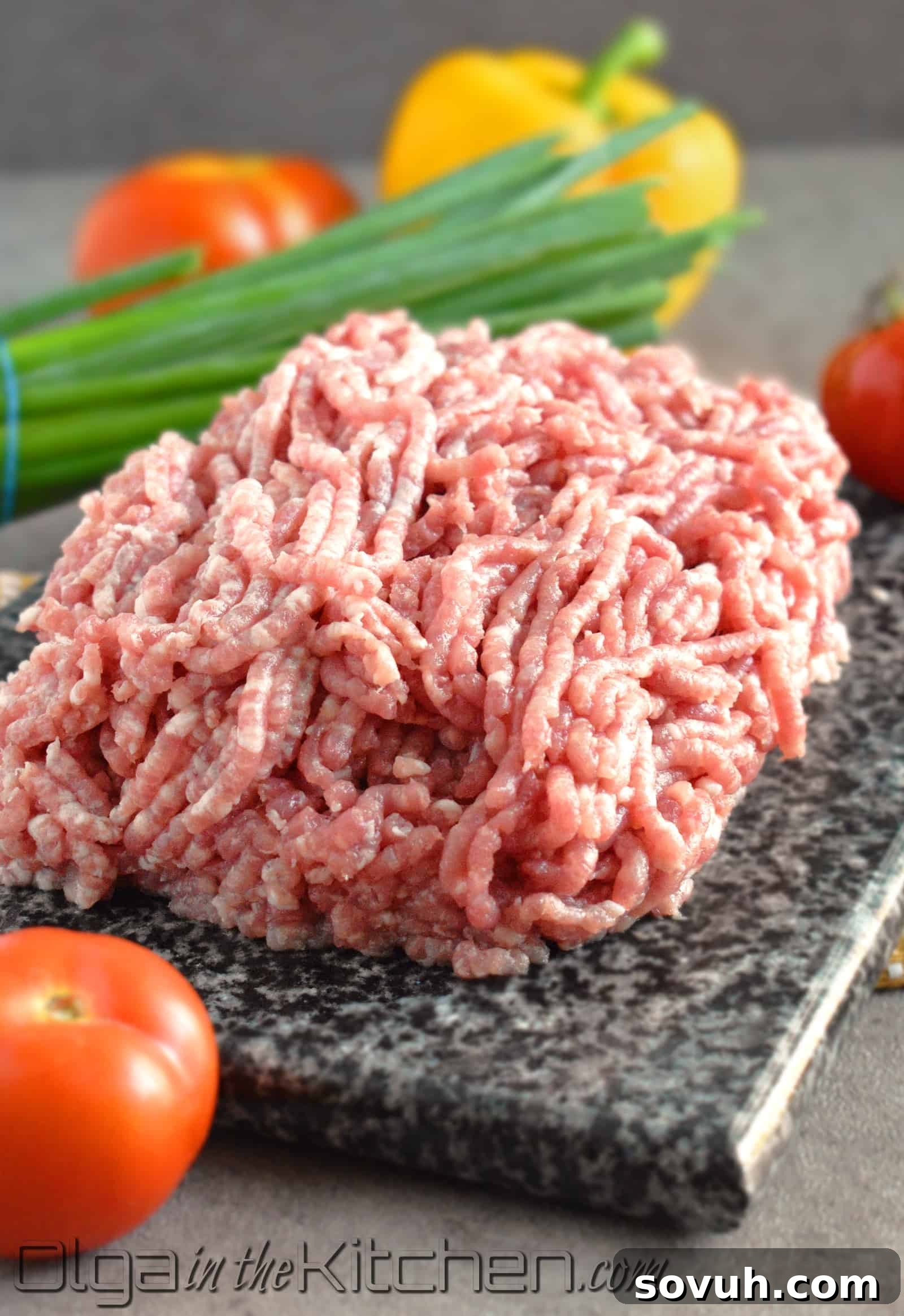
Ground Pork Overview
I rarely buy pre-ground meat from the store—pork, beef, or chicken. Grinding your own meat takes a little time, but it gives you full control over quality, trim, and fat content. Store-bought ground meat can contain bits of connective tissue or veins that I prefer not to have in my food. Grinding at home means you can remove anything you don’t want, control the proportion of fat to lean meat, and ensure the final texture suits your recipes.
When ground correctly, pork keeps its moisture and flavor because you can include a modest amount of fat. That makes meatballs, burgers, sausages, and other dishes juicier and more flavorful than overly lean, store-bought mixes. I grind large batches when pork goes on sale, portion them for recipes I use often, and freeze them flattened for fast thawing.
Why Grind Pork at Home
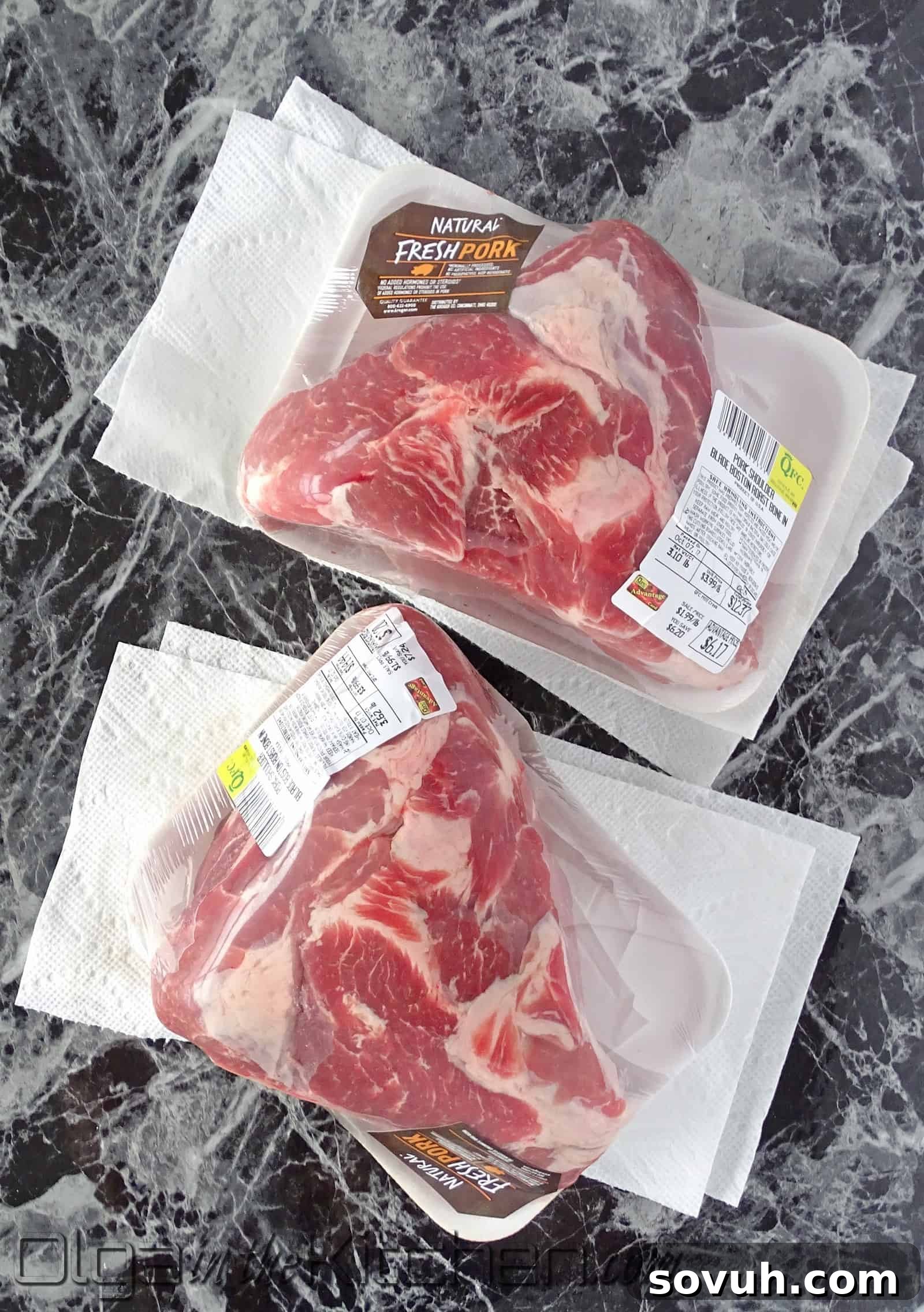
My usual process: when I find natural pork on sale I buy several packs—typically 3–5 lb each—then trim, grind, and package the meat. I reserve a portion to cook the same day (for oven-baked meatballs, skillet-fried meatballs, soup, etc.) and freeze the rest in recipe-sized portions. Common portion sizes I use are 2.5 lb for oven meatballs, 1.5 lb for fried meatballs, and 8 oz for a single pot of meatball soup. Flattening the bags before freezing helps them thaw evenly and quickly.
To thaw, I usually transfer a frozen bag to the sink before bed and cook with it in the morning. If you need to thaw more slowly, move it to the refrigerator and use within two days—do not leave ground pork at room temperature for extended periods. Freshly fried, homemade meatballs are a family favorite and make a quick breakfast, lunch, or dinner whenever we want comfort food fast.
Tools and Ingredients
- Natural pork cuts (trimmed to taste)
- Cold water (for rinsing, optional)
- An electric meat grinder or a heavy-duty manual grinder
An electric meat grinder makes the job faster and more consistent. Choose a model that fits your needs and follow the manufacturer’s care instructions for cleaning. When in doubt, disassemble and hand-wash parts with hot, soapy water and dry thoroughly before storing.
How to Grind Pork at Home
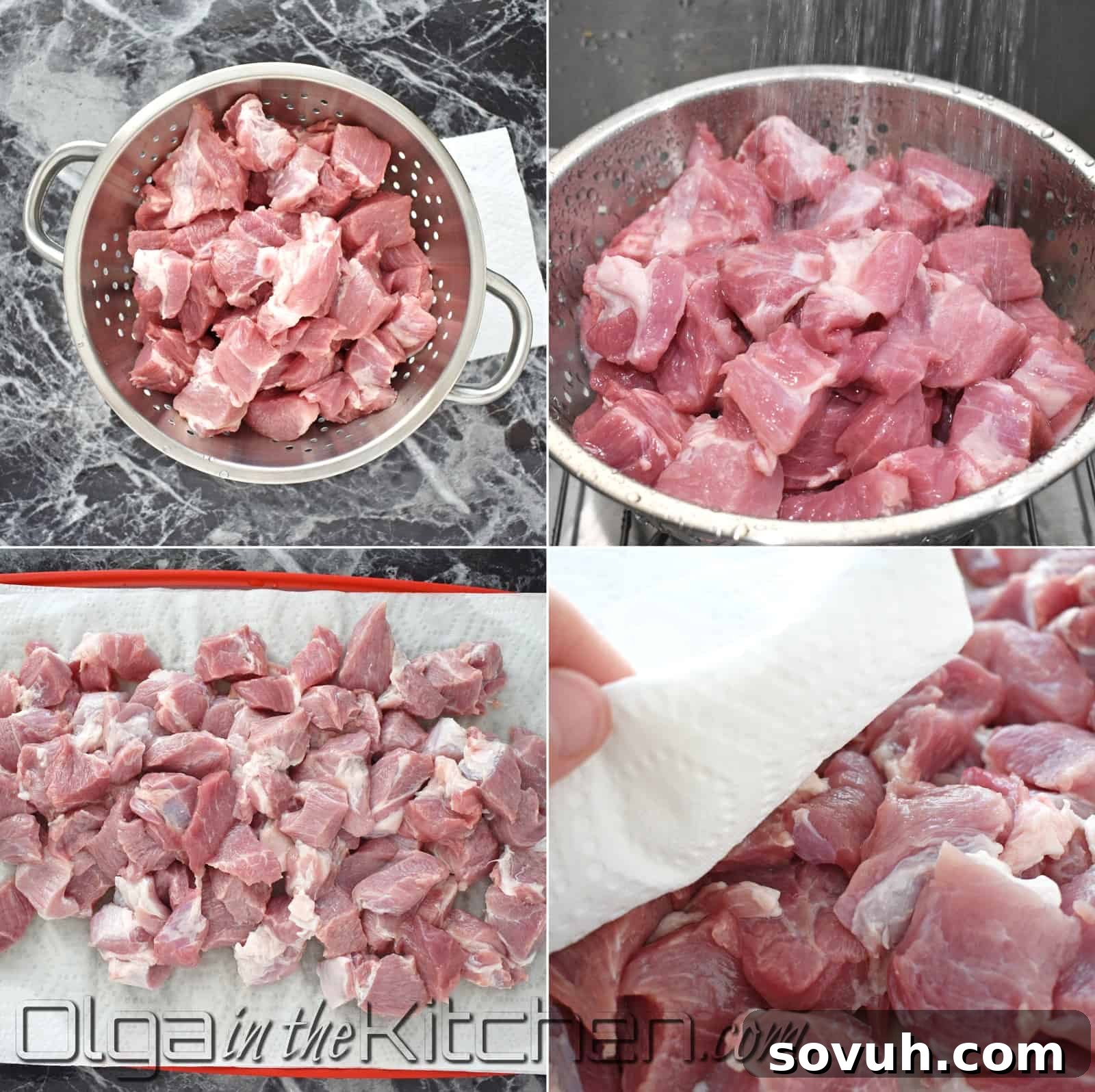
- Prep: Cut the pork into 1.5–2 inch pieces. Trim away any obvious blood vessels, silver skin, or large connective tissue. Rinse pieces in cold water if you prefer, then drain in a sieve for 5–10 minutes. Pat each piece dry with paper towels to remove excess surface moisture—this helps the grinder work better and prevents the meat from becoming too soft or smeared.
- Chill: For a clean grind, keep the meat cold. You can briefly chill the cut pieces in the refrigerator or freezer (not frozen solid) so they pass through the grinder more evenly.
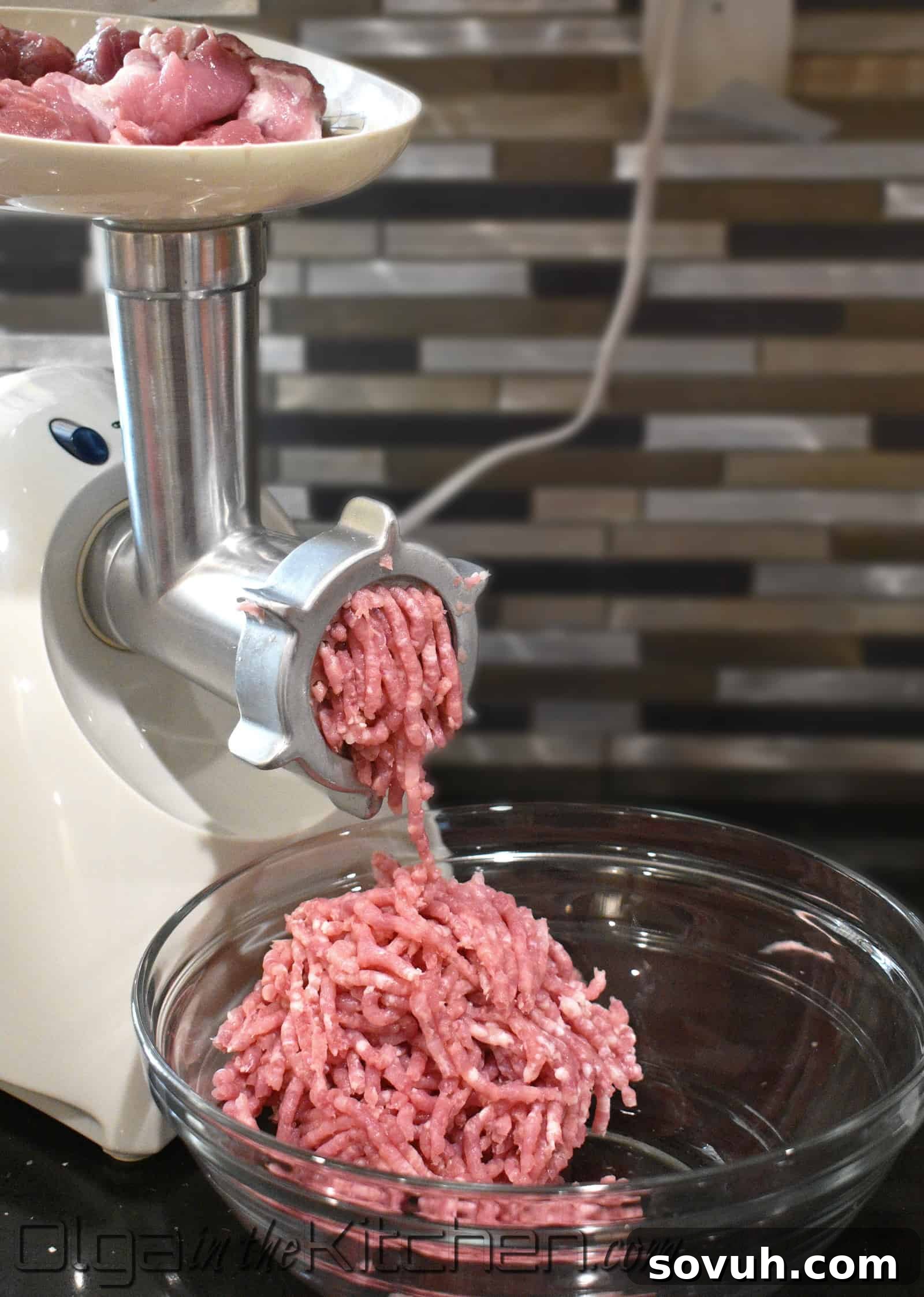
- Grind: Feed the chilled pieces through the grinder using the coarsest plate first if you want a chunkier texture, then pass through a finer plate for a smoother finish. Weigh and divide the ground pork into portions that match how you cook—this saves time and reduces waste.
- Package: Place each measured portion into a plastic freezer bag or airtight container. Press the meat flat to about 1 inch thick so it thaws faster. Remove as much air as possible to reduce freezer burn.
Freezing and Food Safety
Label each bag with the date and portion size. Refrigerate portions you’ll use within one or two days; freeze the rest for up to several months. When freezing, spread the meat flat and stack portions to save space. Thaw in the refrigerator overnight or use cold water for a quicker thaw. Once thawed, cook ground pork promptly—avoid refreezing meat that has been fully thawed at room temperature.
Common Questions
Is it cheaper to grind your own meat?
Grinding at home isn’t always cheaper, but it offers better flavor, fresher taste, and control over quality and fat ratio. Buying whole cuts on sale and processing them yourself is often more economical than premium pre-ground blends.
Is a meat grinder worth it?
Yes, if you cook with ground meat frequently. A grinder can also be used for other tasks such as grinding vegetables for patties or pressing dough-type mixtures. Look for a sturdy model with a few attachments to expand its utility.
Can you clean a meat grinder in the dishwasher?
Check your grinder’s manual. Many parts are best hand-washed with hot, soapy water to avoid corrosion or damage. Always dry parts thoroughly to prevent rust.
Recipe: Buying, Grinding and Storing Ground Pork Meat

Prep Time: about 1 hour (including trimming, chilling, and packaging)
Ingredients
- Natural pork cuts, trimmed and cut into pieces
- Cold water (optional, for rinsing)
Instructions
- Trim and cut the pork into 1.5–2 inch pieces. Remove blood vessels and excess connective tissue. Rinse briefly in cold water if desired and pat dry.
- Chill the pieces briefly so meat stays firm during grinding.
- Grind the meat to your preferred texture. Weigh portions and transfer to freezer bags or airtight containers.
- Press bags flat to about 1″ thickness, label with date and portion size, refrigerate what you’ll use within two days, and freeze the rest.
More How-To Recipes
- Perfect Hard-Boiled Eggs — reliable method for consistent results
- How to Cook Buckwheat — a healthy, versatile grain for breakfast or dinner
- Homemade Farmer’s Cheese (tvorog) — fresh cheese made in under an hour











