
Afternoon Tea Guide: Clotted and Devonshire Cream Explained
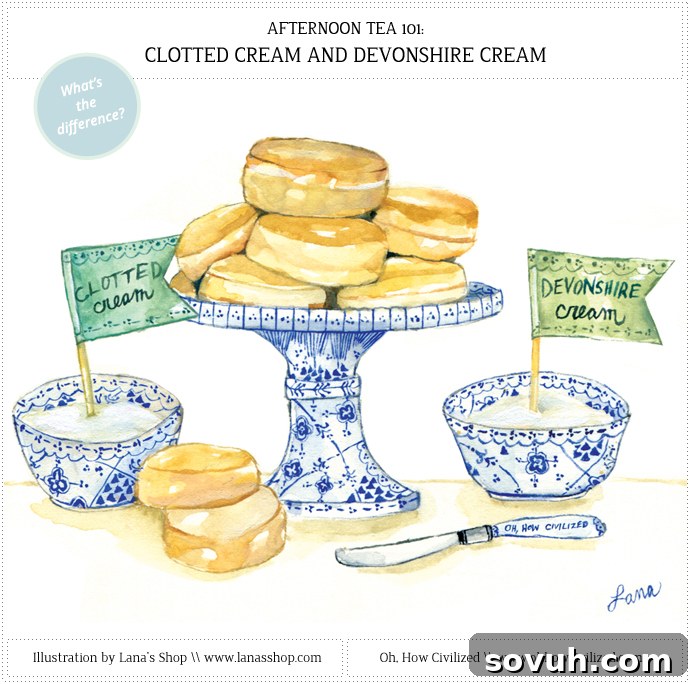
Clotted Cream vs. Devonshire Cream: How to Serve Scones at Afternoon Tea
A proper afternoon tea experience is often defined by the small details, and few things are as essential as warm scones served with cream and jam. Two terms you’ll hear frequently are “clotted cream” and “Devonshire cream.” While they’re closely related, there’s a simple distinction: Devonshire cream refers specifically to clotted cream produced in Devon, England. Both offer that rich, velvety texture that makes scones truly indulgent.
Clotted cream is made using fresh cow’s milk through a time-honored process. Traditionally, the milk is gently heated and then left to cool slowly in a shallow pan for several hours. As it cools and rests, a thick cream layer rises to the surface and develops characteristic “clots.” This top layer is skimmed off to create clotted cream. The result is an unusually thick cream with a very high butterfat content—typically at least 55%—which gives it a luxurious mouthfeel and a slightly nutty, cooked-milk flavor that pairs beautifully with lightly sweet jam.
Devonshire vs. Cornish Tradition: How to Spread
Regional customs in England add a charming element of debate to the ritual. In Devon, the preferred method is to spread the clotted cream on the scone first and then add the jam on top. In Cornwall, the custom is reversed: jam goes on first, followed by a generous dollop of clotted cream. Both approaches are delicious, and choosing one often becomes part of the fun when sharing a cream tea with friends and family. If you’re curious to try both, prepare a few scones and sample each style to decide which you prefer.
Serving Tips and Pairings
To get the most from your scone and clotted cream experience, follow a few simple tips. Serve scones warm—slightly cooling them after baking allows steam to settle while keeping the crumb tender. Split or cut scones open rather than tearing them, so each half presents a flat surface for even spreading. When topping, use a generous spoonful of clotted cream and add jam that complements the cream’s richness; classic choices include strawberry, raspberry, or a tangy marmalade. For beverages, a robust black tea—such as English Breakfast or Assam—balances the richness, while lighter teas like Darjeeling or Earl Grey can also work if you prefer a more delicate pairing.
Why Clotted Cream Matters
Clotted cream’s texture and fat content make it unlike ordinary whipped cream or crème fraîche. Because it’s so dense and creamy, a little goes a long way, and it holds up well against the sugary sweetness of jam. Authentic Devonshire cream carries an added layer of provenance because of its regional designation, which speaks to the traditional methods and local dairy practices in Devon. Whether labeled as clotted cream or Devonshire cream, the essential appeal is the same: a warm, creamy complement to freshly baked scones that elevates afternoon tea into a special moment.
Final Notes
Whether you follow the Devon method (cream first) or the Cornish method (jam first), what matters most is enjoying the ritual. The contrast of warm scone, cool thick cream, and sweet jam is a simple pleasure cherished by tea lovers around the world. Try both styles, experiment with different flavors of jam, and pair your scones with a tea you love—the combination is part tradition, part personal preference, and entirely delicious.
Illustration: Lana’s Shop for Oh, How Civilized.











