Quick Meal Prep: Step-by-Step Weekly Plan
Anyone can meal prep. You only need a playlist you enjoy and a few hours on a Sunday (or another day that suits you—Wednesday works too). Below are straightforward, practical tips to help you get started, stay consistent, and make meal prepping part of your routine.
You can do this!
Meal prep is simply planning and preparing meals ahead of time. You don’t have to be extreme from the start—having a few ready-to-eat meals in the fridge makes weeknights so much easier. If you prefer, you can scale up: some people prep two weeks or an entire month of meals, focusing on dishes that freeze and reheat well. Most people start with dinners, but breakfasts and lunches work just as well if you choose freezer-friendly recipes.
Why meal prep?
- Cost savings: prepping in bulk reduces per-meal cost. For example, you can often prepare around 20 dinners for roughly $100—about $5 per meal.
- Control over ingredients: you decide what goes into your meals, so it’s easier to keep dishes healthy and tailored to your preferences.
- Less food waste: planning and portioning reduces the chance of forgotten, spoiling ingredients.
- Healthier choices: having prepared meals on hand reduces the temptation for last-minute takeout.
- Time saved: a few hours of prep saves many weeknight cooking sessions.
- Less stress: arriving home and knowing dinner is ready or nearly ready is a huge relief.
How do I start meal prepping?
Choose recipes that are freezer-friendly and maintain texture and flavor after thawing—think stews, casseroles, roasted meats, and hearty grain bowls. Start with about five recipes that each yield four portions, then make a consolidated grocery list. Aim for recipes with shared ingredients (olive oil, garlic, chicken broth, canned tomatoes) to simplify shopping and reduce waste.
How do I cook five recipes in one day?
It’s less intimidating than it sounds. Treat meal prep as a focused, enjoyable task—put on music, set up your workspace, and minimize interruptions. Choose a workflow that fits you:
- One recipe at a time: easy for beginners who want to learn each dish before multitasking.
- Prep everything then cook: chop all vegetables, measure spices, and arrange ingredients by recipe before turning on the heat. This can generate more dishes but keeps cooking smooth.
- Multitask: start several recipes at once—one in the oven, one in the slow cooker, and one on the stove. This staggered approach reduces total active time and can be less stressful once you’re comfortable.
What can’t I freeze?
Avoid freezing high-water-content raw vegetables (like lettuces and cucumbers), raw eggs in shells, many raw fruits, and fresh salads. Cooked dishes that include these items often don’t freeze well unless you remove or replace those ingredients after thawing.
What containers do I use?
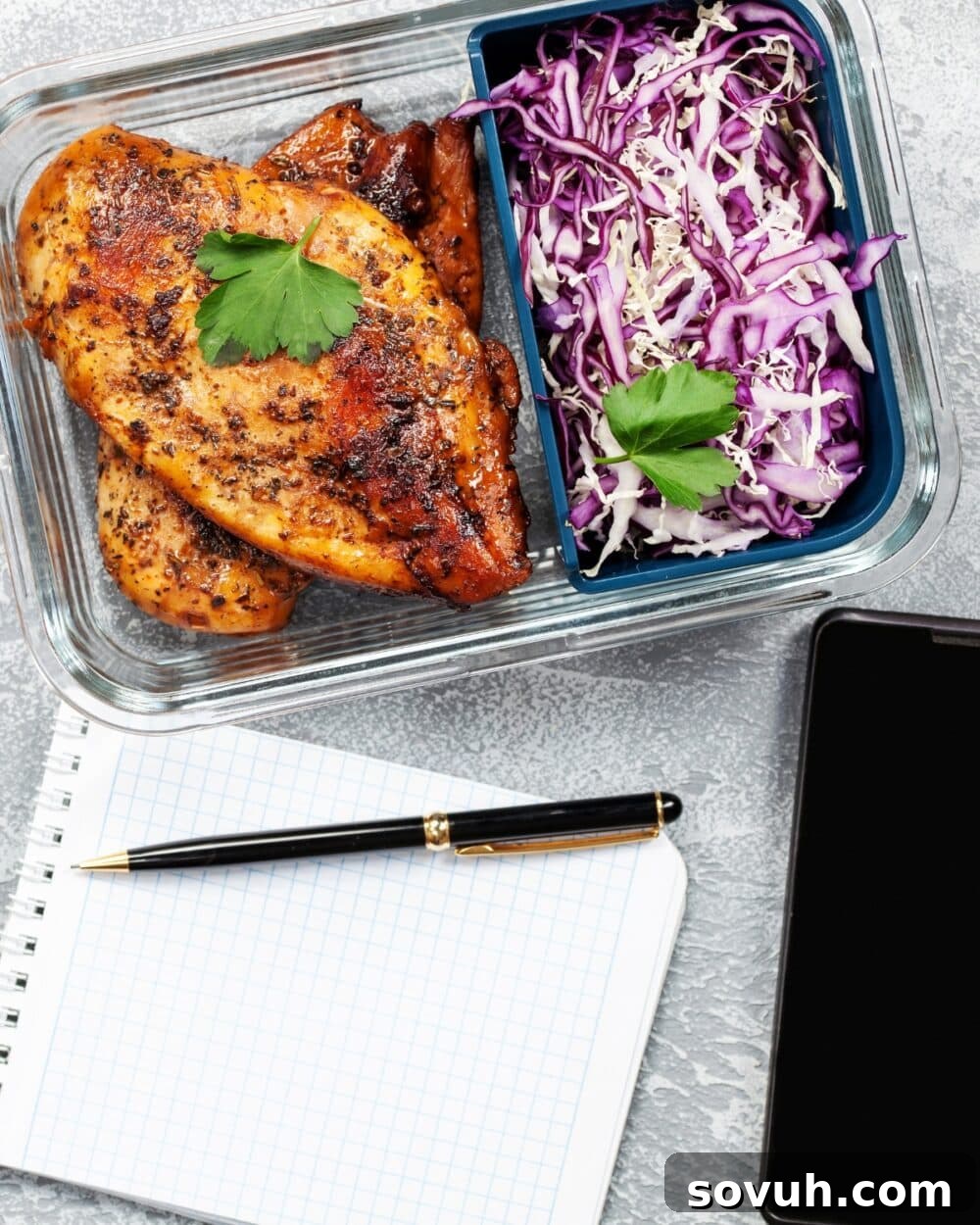
- Glass containers—durable, oven-safe, and great for reheating.
- Plastic containers—lightweight and affordable for everyday use.
- Freezer bags—space-saving and excellent for soups, sauces, and flat-stacked meals.
Choose containers based on how you plan to store and reheat meals. Buying in bulk usually saves money, and labeling containers with contents and freezing dates keeps your fridge and freezer organized.
How should I reheat my meals?
On the day before you need a meal, move a few portions from the freezer to the fridge to thaw slowly—plan for one or two portions per person per day. Reheat according to how the meal was cooked: soups and stews in a saucepan, roasted meats in the oven, and grains in a microwave or on the stove with a splash of liquid. Reheat to an even temperature to preserve texture and taste.
Other practical tips
- Slow cookers and Instant Pots are excellent tools for hands-off prep and yield tender, freezer-friendly meals.
- Roast vegetables and cook grains first—waiting on rice or grains while other dishes finish can derail your timing.
- Clean as you go to keep the workspace manageable and reduce cleanup time after you’re done.
- Freeze portions as soon as possible—the faster food freezes, the smaller the ice crystals and the better the texture after thawing.
- Enjoy the process. A few hours of focused prep can feel therapeutic—make it your time.
Is this worth it?
Absolutely. Spending 3–5 hours one day a week to eliminate mealtime stress for several nights is well worth the investment for most people. If you enjoyed this guide and want to take it further, consider exploring ideas like how to start a keto lifestyle or other dietary plans that fit your goals. Planning meals around a specific approach can simplify shopping, portioning, and reheating.
More meal prep resources
If this quick guide was helpful, look for additional resources with easy, family-friendly recipes and detailed meal prep strategies such as monthly meal prep plans, budget-friendly meal lists, and step-by-step freezer meal instructions. These resources can help you build variety into your rotation while staying efficient.
- 30 Keto Meal Prep Recipe Ideas: How to Meal Prep For An Entire Month
- Cheap Keto Recipes: Quick, Easy, Flavorful, and Affordable Meals
- Keto Meal Prep: The Ultimate Quick & Easy Guide
- Best Keto Meal Replacement Shake
- Seriously Genius Keto Meal Prep Package You Can Prepare in 2 Hours
PIN FOR LATER!