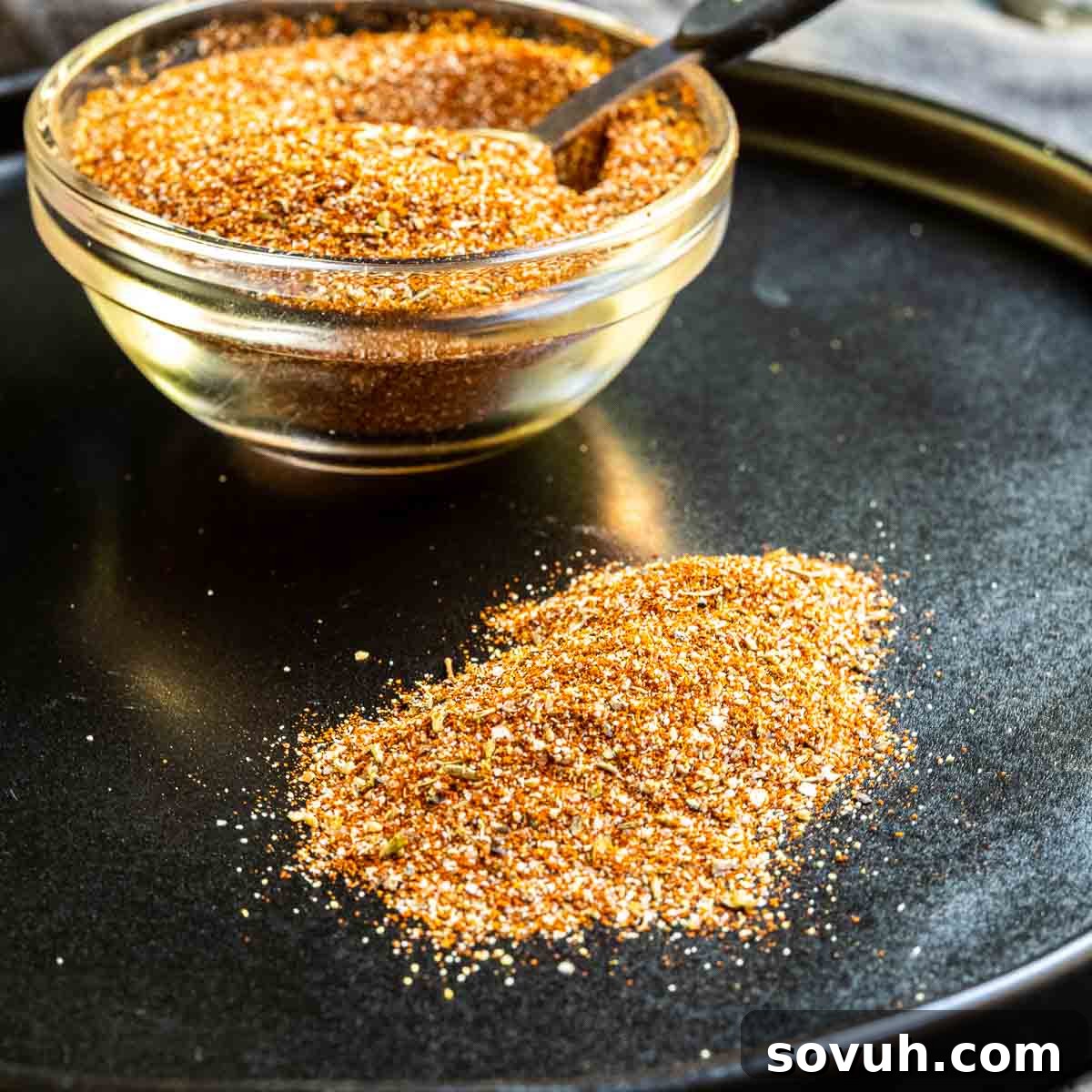
Unlock the vibrant, bold flavors of the American South with a simple, homemade Blackened Seasoning blend. This versatile spice mix is your secret weapon for infusing Creole and Cajun zest into fish, seafood, chicken, beef, and even vegetables. Whether you’re grilling, baking, pan-searing, or sautéing, this dynamic blend promises to elevate your culinary creations to new heights.
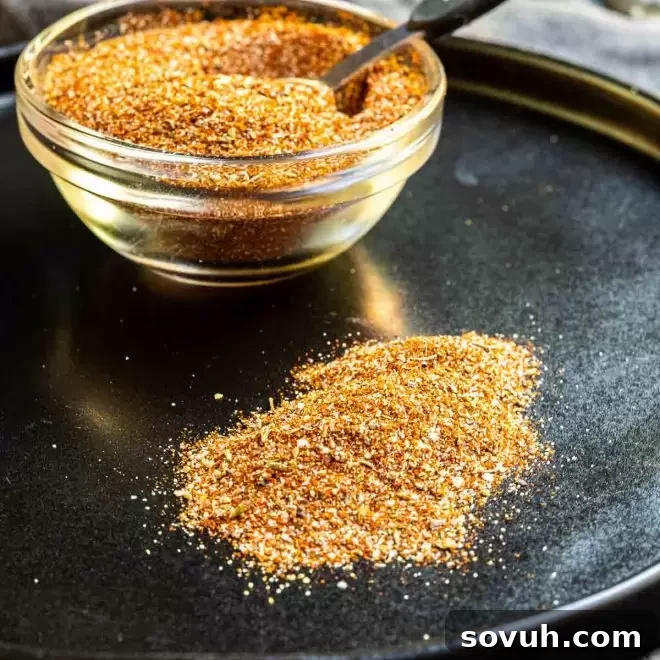
There’s something incredibly satisfying about whipping up your own spice blends at home. This homemade blackened seasoning, sometimes referred to as blackening spice, has become an absolute staple in our kitchen. It brings a uniquely rich and savory flavor, coupled with just the right amount of heat to keep things exciting. From perfectly blackened chicken to succulent shrimp, this blend transforms ordinary meals into extraordinary dining experiences.
Why Choose Homemade Blackened Seasoning?
While store shelves are lined with various pre-made spice mixes, crafting your own blackened seasoning offers unparalleled advantages. Much like our popular homemade taco seasoning, fajita seasoning, and BBQ dry rub, making it from scratch puts you in complete control. You effectively eliminate artificial additives, anti-caking agents, and excessive fillers often found in commercial blends, ensuring that every pinch delivers pure, unadulterated flavor.
The primary benefit of a homemade recipe is customization. You dictate the spice level – from mild and mellow to an intense, fiery kick – by simply adjusting the cayenne pepper. Furthermore, many commercial seasonings rely heavily on salt as a primary flavor enhancer. With this recipe, you have the power to control the sodium content, making it a healthier option without compromising on taste. This flexibility ensures your blackened dishes are tailored precisely to your palate and dietary preferences.
Note: This post may contain affiliate links. That means if you click on a link and make a purchase we may receive a small commission. Thank you!
Essential Ingredients for Your Blackened Spice Blend
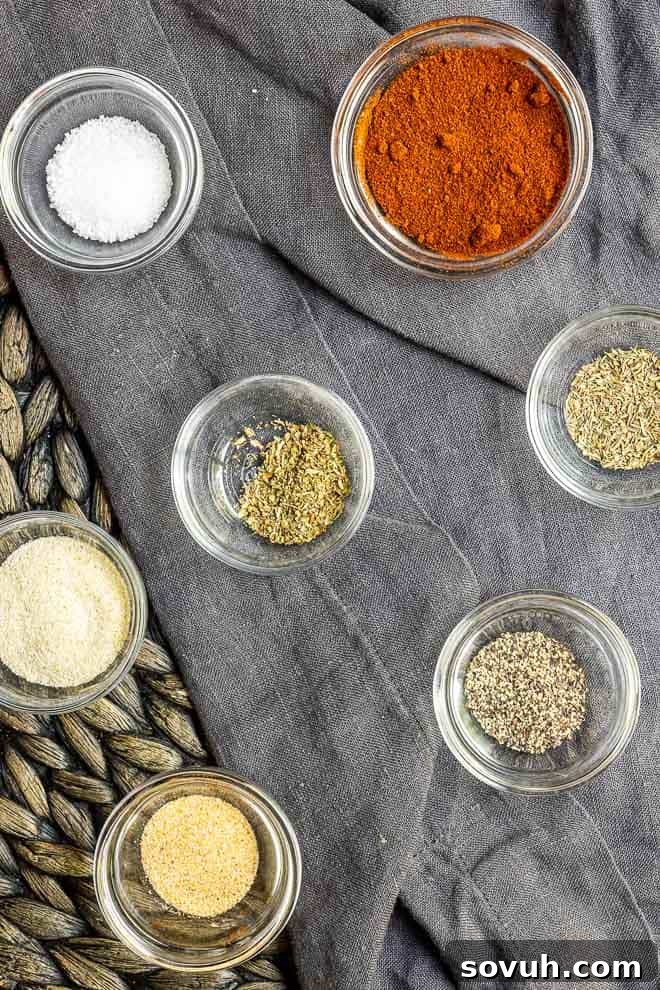
Creating your signature blackened seasoning blend requires a selection of common spices, most of which you likely already have tucked away in your pantry. The magic lies in the carefully balanced combination of these foundational flavors. Here’s a closer look at what you’ll need and the distinct character each contributes:
- Paprika: This vibrant red spice is the heart of many Creole and Cajun blends. It contributes a wonderful smoky undertone and a mild, earthy sweetness, essential for the signature flavor and color of blackened dishes.
- Onion Powder & Garlic Powder: These aromatic powerhouses provide deep, savory notes. They lay the flavorful groundwork for the blend, offering a pungent earthiness that enhances nearly any protein.
- Ground Black Pepper: More than just heat, black pepper adds a sharp, piquant bite that is crucial for balancing the other flavors and contributing to the overall complexity.
- Kosher Salt: Salt is vital for amplifying all the other flavors. Kosher salt is preferred for its coarse texture and clean taste. Remember, you can easily adjust or omit this if you’re managing your sodium intake.
- Cayenne Pepper: This is where the heat comes from! Cayenne pepper delivers that characteristic spicy kick. Feel free to increase it for a bolder flavor or reduce it for a milder experience, perfectly suiting your heat preference.
- Dried Thyme: Thyme adds an herbaceous, slightly floral, and subtly minty aroma. It’s a classic herb in Southern cooking and brings a distinct, savory depth to the seasoning.
- Dried Oregano: Offering a slightly pungent, earthy, and peppery flavor with hints of sweetness, oregano complements thyme beautifully, contributing to the blend’s authentic Mediterranean-inspired Creole character.
Simple Steps to Craft Your Blackened Seasoning
Creating this flavorful blend is remarkably easy and takes mere minutes. It’s a straightforward two-step process that anyone can master:
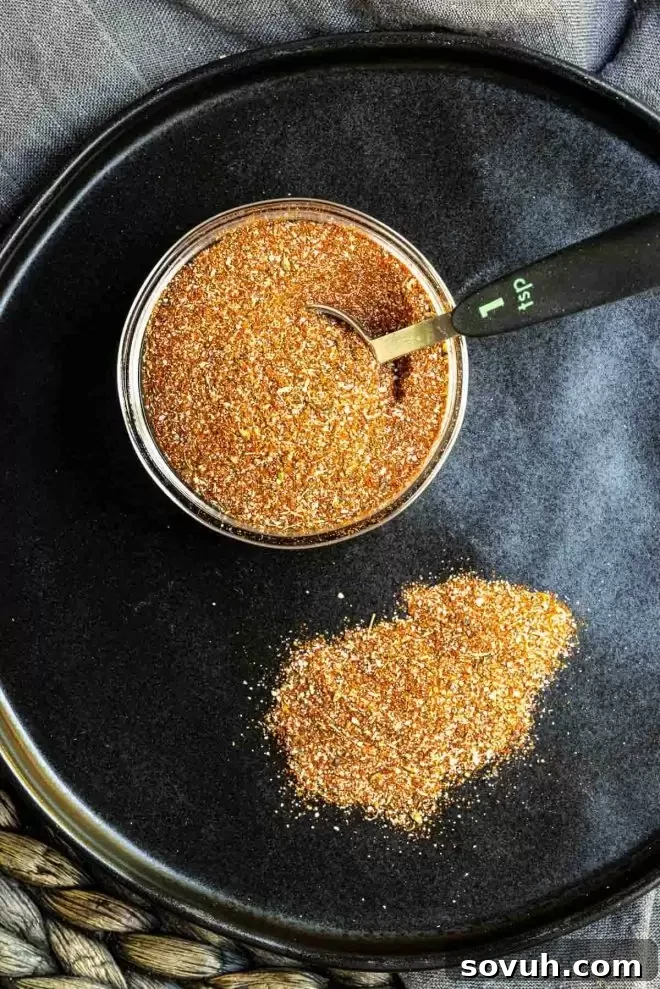
- Measure and Mix: Gather all the specified spices. Carefully measure each ingredient and combine them in a small bowl. Use a fork or a spoon to mix everything thoroughly until all the spices are evenly distributed and no clumps remain. This ensures every bite of your blackened dish gets the full flavor profile.
- Store the Blend: Once mixed, transfer your fresh homemade blackened seasoning into an airtight container. A small jar with a tight-fitting lid works perfectly. Store it in a cool, dry place, away from direct sunlight, and it will remain fresh and potent for up to two months.
Understanding the Blackening Technique
Blackening is more than just a seasoning; it’s a distinct cooking technique that fuses elements of both Creole and Cajun culinary traditions. The process typically involves coating fish, seafood, chicken, or other ingredients (it’s even fantastic on vegetables like asparagus, corn, or bell peppers!) in melted butter, then generously dredging them in this spice blend. The coated item is then cooked at very high heat, traditionally in a screaming hot cast-iron skillet, until a dark, flavorful crust forms. The spices caramelize and darken, creating the “blackened” effect, while the interior remains moist and tender.
Key to successful blackening is achieving that deep, crusty char without burning the spices. The high heat creates an instant crust that seals in the juices. While pan-searing in a cast-iron skillet is the most iconic method, blackened food can also be grilled, baked, or even air-fried, depending on the desired texture and convenience. Always ensure good ventilation when blackening, as the high heat and melting butter can produce a fair amount of smoke.
Blackened vs. Cajun Seasoning: What’s the Difference?
The terms “blackened seasoning” and “Cajun seasoning” are often used interchangeably, and indeed, they share many similarities. Both draw from the rich spice profiles of Louisiana cuisine, featuring common ingredients like paprika, garlic powder, onion powder, and cayenne pepper. However, the primary distinction often lies in the heat level. Cajun seasoning typically leans towards a spicier profile, packing a more robust punch of cayenne and other chili powders. Blackened seasoning, while certainly flavorful and often spicy, tends to be slightly more balanced, allowing the herbaceous notes of thyme and oregano to shine through a bit more prominently.
That said, these differences are not strict rules. Both blends can be customized to be as fiery or as mild as you prefer. When making your own, you have the ultimate control to adjust the amount of cayenne pepper, bridging the gap between a traditional blackened blend and a bold Cajun mix to suit your taste buds perfectly.
Versatile Applications for Your Homemade Blend
This blackened seasoning isn’t just for fish! Its robust and adaptable flavor profile makes it suitable for a wide array of ingredients and dishes. Here are just a few ideas to inspire your culinary adventures:
- Seafood: Classic choices like salmon, cod, tilapia, shrimp, scallops, and oysters. The seasoning forms a beautiful crust that locks in moisture and adds incredible depth.
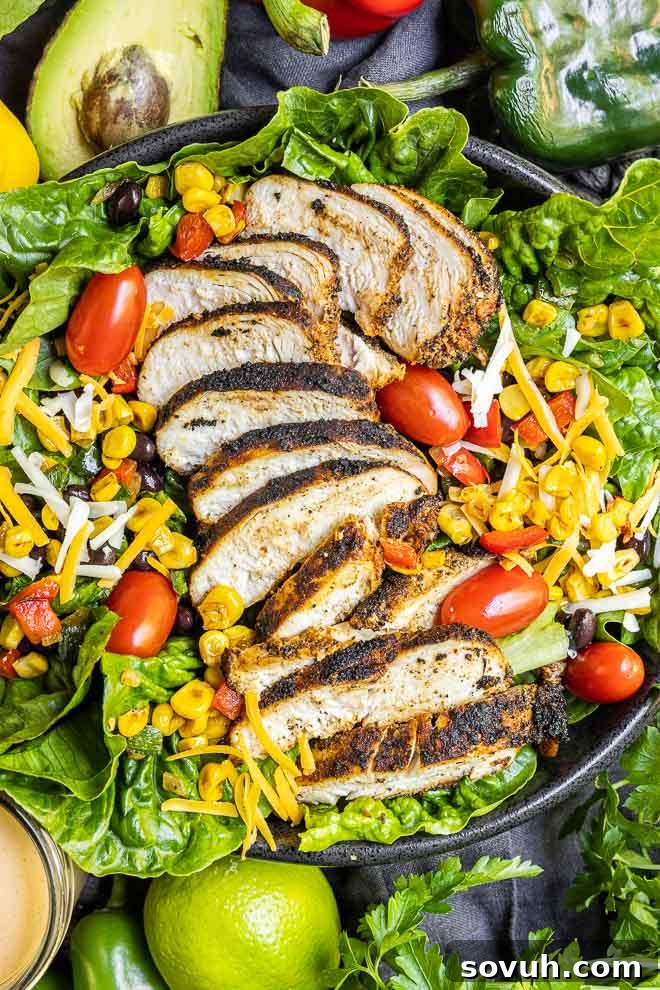
- Poultry: Chicken breasts, thighs, or even a whole roasted chicken can be transformed. Imagine blackened chicken tacos or a vibrant blackened chicken salad!
- Beef & Pork: Rub it onto steaks, pork chops, or even briskets before grilling or roasting for a delightful Creole twist.
- Vegetables: Don’t overlook the plant-based possibilities! Toss potatoes, corn on the cob, bell peppers, onions, asparagus, or cauliflower florets with olive oil and this seasoning before roasting or grilling.
- Eggs & Breakfast: A pinch in scrambled eggs or sprinkled over avocado toast adds an unexpected layer of flavor.
- Snacks: Spice up roasted nuts, popcorn, or homemade potato chips with a sprinkle of this irresistible blend.
Preparing and Storing Your Blend for Future Meals
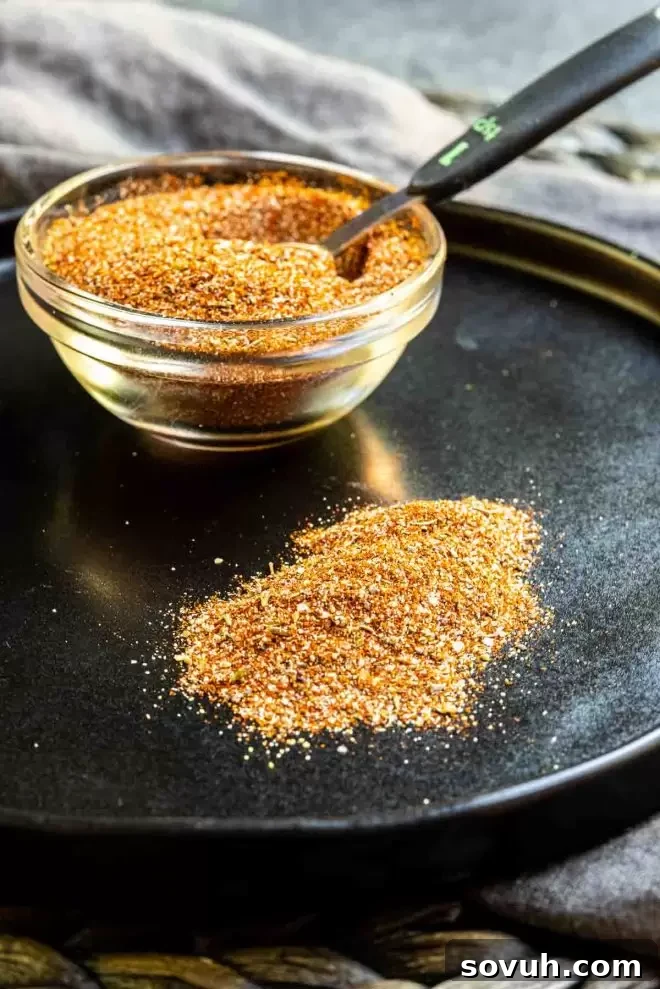
One of the best features of this recipe is how easily it can be made ahead of time, ensuring you always have a burst of Creole flavor at your fingertips for quick and easy meals. To prepare in advance, simply follow the mixing instructions above. Once combined, store the seasoning in an airtight container in a cool, dark, and dry place, such as your pantry or a spice cabinet. When stored correctly, your homemade blackened seasoning will maintain its peak freshness and potency for up to two months. Beyond that, the flavors may begin to diminish, though the blend will still be safe to use.
This recipe yields approximately 13 tablespoons of seasoning, which is a generous amount for several meals. If you frequently cook blackened dishes or are preparing for a larger gathering, feel free to double or even triple the batch. Having a well-stocked jar of this versatile spice blend means you’re always just moments away from creating a delicious, restaurant-quality meal right in your own kitchen.
Looking for More Easy Seasonings and Sauces?
- Keto Alfredo Sauce
- Peri Peri Sauce
- Easy Hot Pepper Sauce {Pepper Vinegar}
- Homemade Ranch Seasoning
- Easy Chimichurri Sauce Recipe
- Red Enchilada Sauce
- More Seasonings and Sauces…
Love this recipe?
Make sure to follow us on Instagram and Pinterest for more delicious recipes like this.
Servings: 9
Prep Time: 5 mins
Total Time: 5 mins
Blackened Seasoning Recipe
Created By: Kat Jeter & Melinda Machado
Blackened seasoning is an easy way to give a little Creole flavor to your fish, seafood, chicken, or beef. Perfect on meat that is grilled, baked, or sauteed.

Ingredients
- 3 tablespoons Paprika
- 2 teaspoons Onion powder
- 1 teaspoon Garlic powder
- 1 teaspoon Ground black pepper
- 1 teaspoon Kosher salt
- 1/2 teaspoon Cayenne pepper
- 1/2 teaspoon Dried thyme
- 1/2 teaspoon Dried oregano
Instructions
- Mix all of the spices together in a bowl and stir until well combined and evenly distributed.
- Transfer the spice blend into an airtight container and store in a cool, dry place until ready to use.
Nutrition
Serving: 1 tablespoon, Calories: 11 kcal, Carbohydrates: 2g, Protein: 1g, Fat: 1g, Saturated Fat: 1g, Polyunsaturated Fat: 1g, Monounsaturated Fat: 1g, Sodium: 261mg, Potassium: 69mg, Fiber: 1g, Sugar: 1g, Vitamin A: 1201IU, Vitamin C: 1mg, Calcium: 11mg, Iron: 1mg
Nutrition Disclaimer: We are not certified nutritionists. Nutrition facts are an estimate and are provided as a courtesy. They are generated by an online API which recognizes ingredient names and amounts and makes calculations based on the serving size. Results may vary.
Course: Seasoning
Cuisine: American
