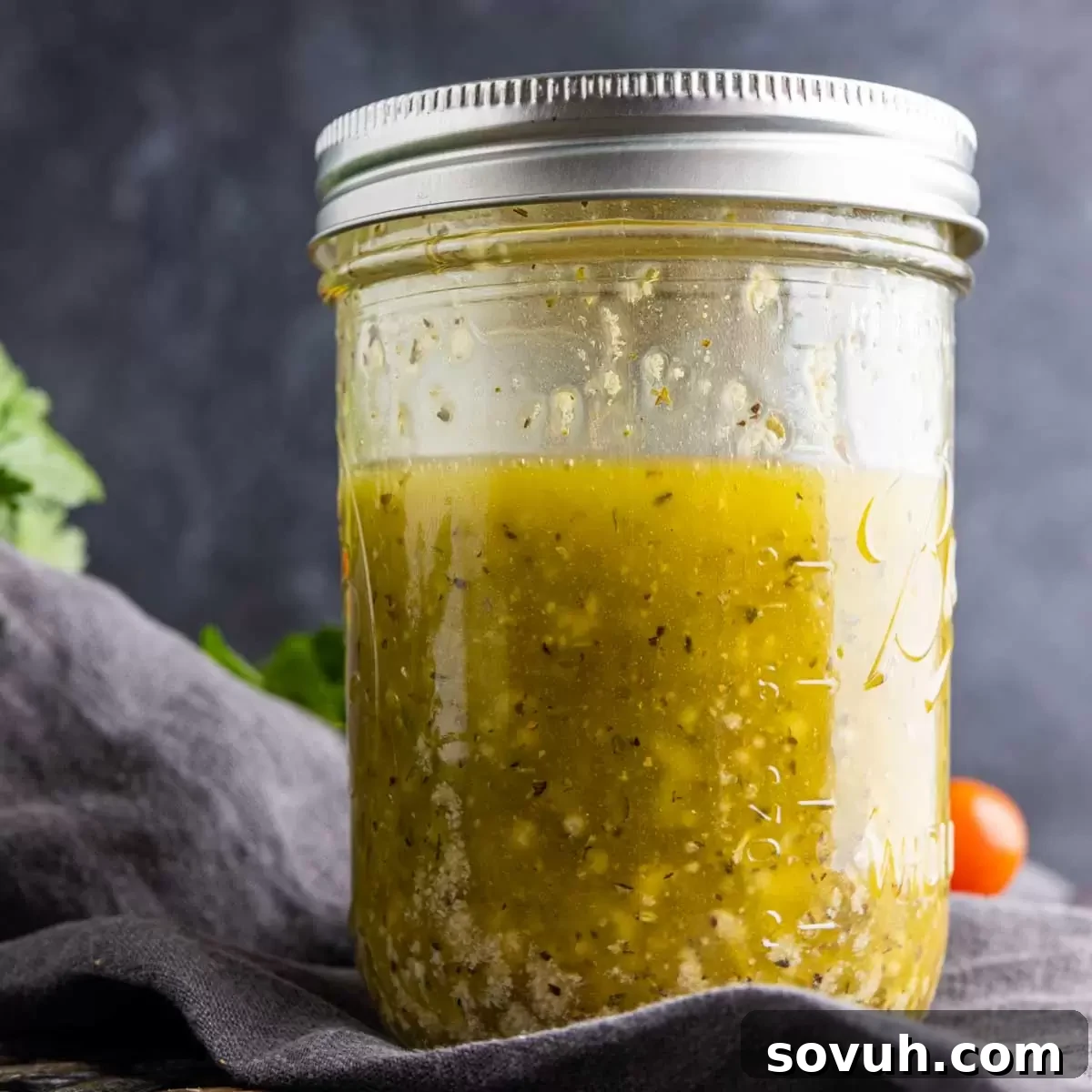
Transform your meals with the vibrant, zesty flavor of homemade Italian dressing! This versatile condiment is perfect for salads, marinades, and more. Discover how to create it from scratch with just a few simple ingredients and unlock a world of culinary possibilities.
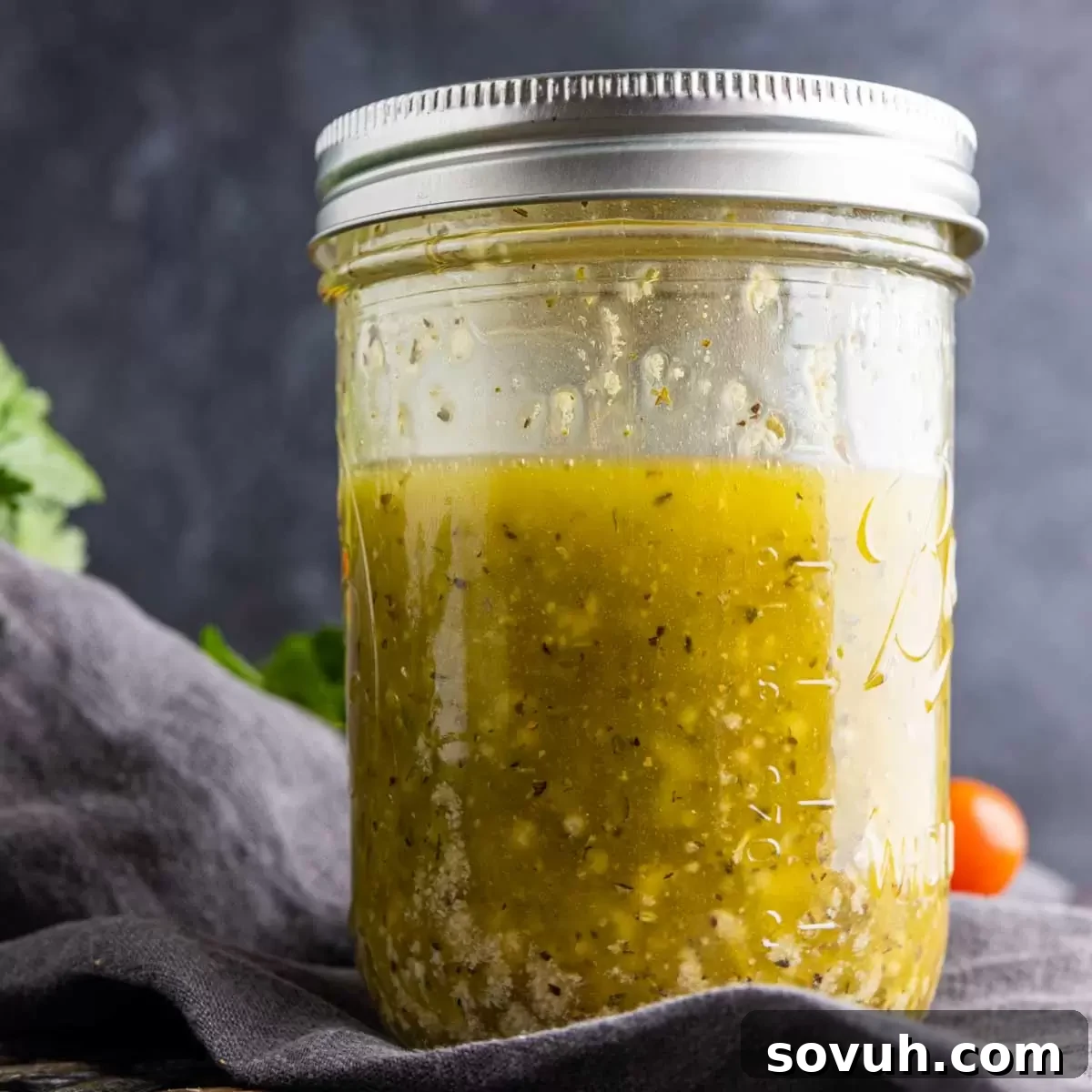
Elevate Your Culinary Creations with Homemade Italian Dressing
Italian dressing is far more than just a salad topping; it’s a culinary powerhouse. Its tangy, savory, and herbaceous profile can elevate a wide array of dishes, from crisp green salads to succulent grilled meats, vibrant roasted vegetables, and even hearty pasta salads. While store-bought options are readily available, crafting your own Italian dressing at home offers unparalleled freshness, flavor customization, and control over ingredients. Say goodbye to artificial preservatives and hello to a staple condiment that will revolutionize your kitchen.
Making this flavorful dressing is surprisingly simple, requiring minimal effort and common pantry items. The result is a vibrant, balanced dressing that can be tailored to your precise taste preferences. Whether you prefer a bolder garlic kick, a sweeter touch, or an extra herbaceous note, homemade Italian dressing puts you in the chef’s seat. Prepare to impress your family and friends with this easy-to-make, incredibly versatile dressing that’s sure to become a cherished recipe in your collection.
Note: This post may contain affiliate links. That means if you click on a link and make a purchase we may receive a small commission. Thank you!
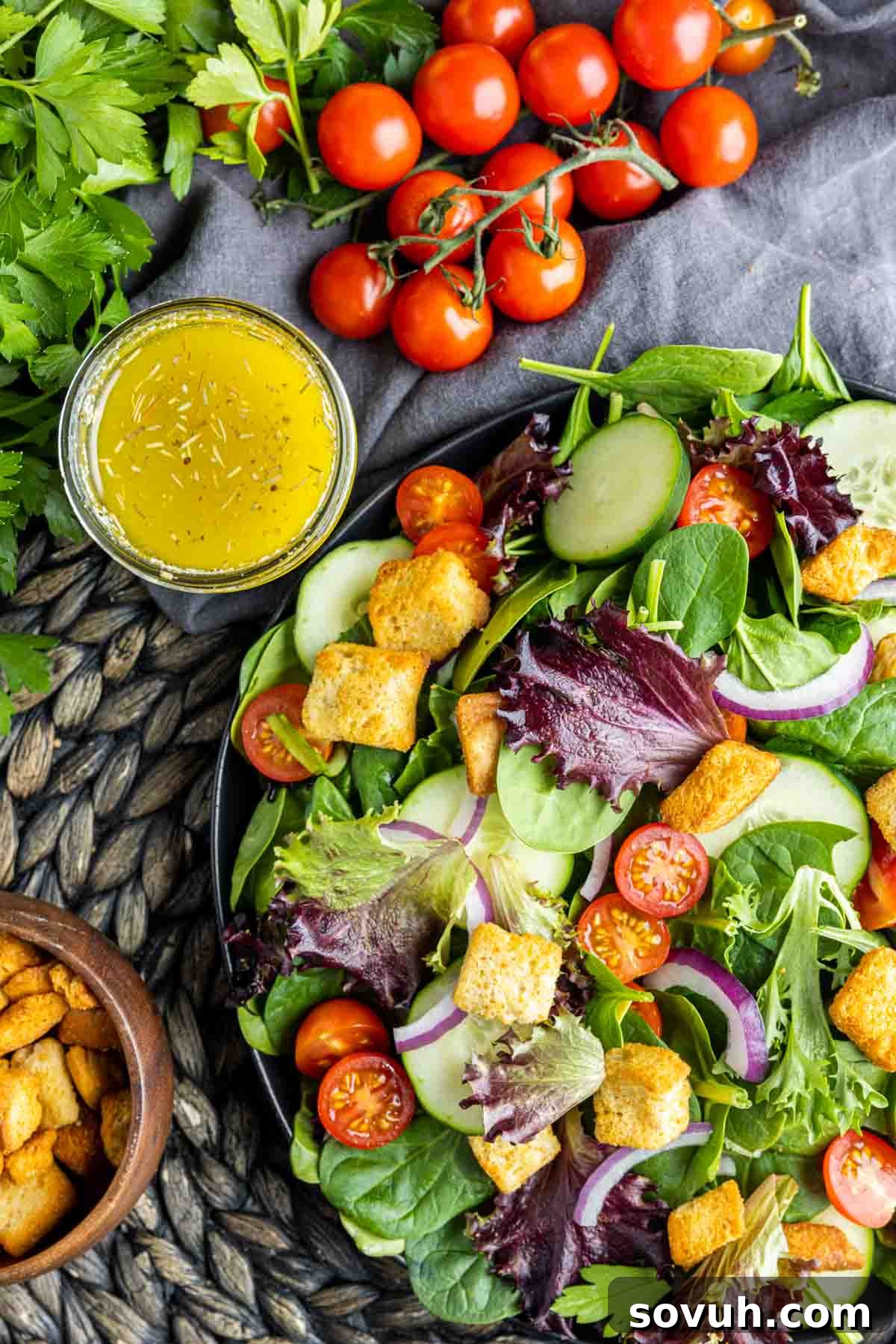
Understanding Italian Dressing: A Flavorful History
At its core, Italian dressing is a type of vinaigrette, typically characterized by a base of oil and vinegar, infused with a medley of dried herbs and spices. While its name suggests a deep Italian heritage, the dressing as we know it today is largely an American invention. It’s believed to have emerged in the United States around the 1940s or 1950s, a culinary adaptation inspired by the fresh, herb-forward flavors of traditional Italian cuisine.
Initially, this zesty dressing gained popularity as a vibrant alternative to heavier, cream-based salad dressings. Its light yet flavorful nature quickly won over diners. Over time, its versatility became apparent, and it transitioned from being solely a salad accompaniment to a beloved marinade for meats and vegetables, and even a tangy sandwich spread. The introduction of bottled Italian dressing in the 1970s cemented its place as a household staple, particularly prevalent in American Midwest and Southern kitchens. Today, Italian dressing continues to be a widely consumed condiment, inspiring countless variations and regional adaptations that cater to diverse palates worldwide.
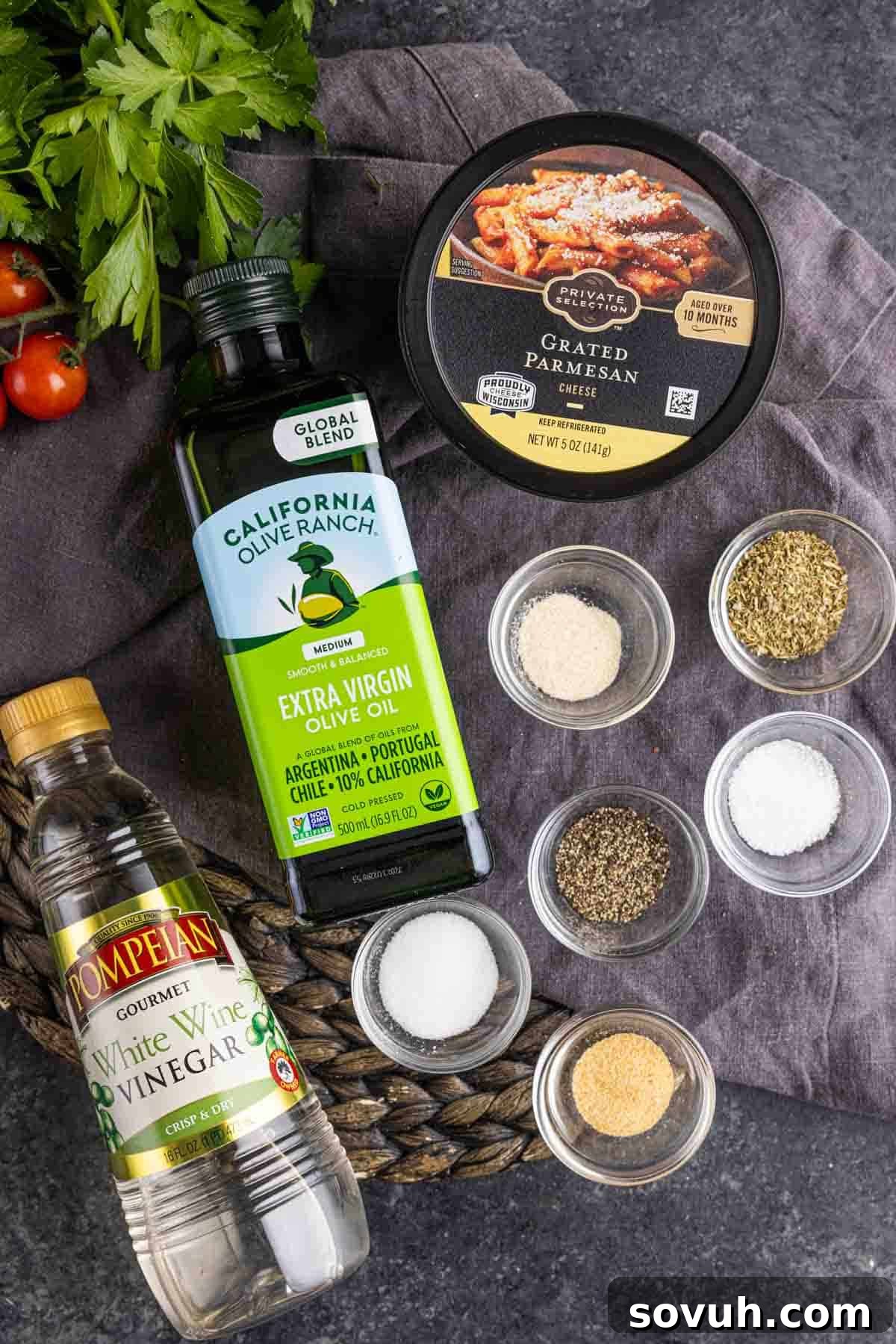
Essential Ingredients for Your Homemade Italian Dressing
Crafting a delicious homemade Italian dressing starts with selecting quality ingredients that contribute to its distinctive tangy and savory profile. Here’s a breakdown of the core components you’ll need:
- Oil: The foundation of any good vinaigrette. Extra virgin olive oil is often preferred for its rich, fruity flavor and health benefits. However, lighter olive oil, avocado oil, or even a neutral-flavored vegetable oil can be used for a milder taste or if you prefer a less pronounced olive flavor. The oil provides a smooth, luxurious texture and helps carry the flavors of the herbs and spices.
- Vinegar: The acidic backbone of Italian dressing. White wine vinegar or red wine vinegar are classic choices, offering a bright, tangy counterpoint to the oil. Apple cider vinegar can also be used for a slightly fruitier, milder tang. The vinegar not only adds zest but also plays a crucial role in emulsifying the oil and other liquid ingredients.
- Herbs and Spices: This is where the “Italian” character truly shines. A classic blend typically includes Italian seasoning (a pre-mixed blend of oregano, basil, thyme, rosemary, marjoram, and sometimes sage), garlic powder, onion powder, and black pepper. These dried herbs and spices provide a concentrated, aromatic flavor that defines the dressing.
- Parmesan Cheese: Optional but highly recommended for an extra layer of savory depth. Grated Parmesan cheese introduces a mild, salty, and umami-rich flavor that enhances the overall profile. For those following a vegan diet or dairy-free lifestyle, this ingredient can be easily omitted, and the dressing will still be delicious.
- Salt: A crucial flavor enhancer. A pinch of salt, such as Kosher salt or sea salt, helps to brighten and balance the acidity of the vinegar and bring out the best in all the other ingredients. Adjust to taste.
- Sugar: A small amount of sugar, honey, or maple syrup can be added to balance the acidity of the vinegar and introduce a subtle sweetness. This helps to round out the flavors, especially if you prefer a less tart dressing.
- Optional Additions for Customization:
- Red Pepper Flakes or Cayenne Pepper: For a touch of heat and a subtle kick.
- Lemon Juice: Adds an additional layer of bright, fresh acidity.
- Dijon Mustard: A fantastic natural emulsifier that helps the oil and vinegar stay combined longer, while also adding a subtle savory tang.
- Fresh Herbs: While dried herbs are used in this recipe for convenience and concentrated flavor, fresh parsley, oregano, or basil can be added just before serving for an extra vibrant aroma and visual appeal.
Dried Herbs vs. Fresh Herbs: A Flavor Deep Dive
When it comes to Italian dressing, the choice between dried and fresh herbs significantly impacts flavor and convenience. In our recipe, we lean towards dried herbs for two primary reasons:
- Pantry Staple: Dried Italian seasoning is a common ingredient in most kitchens, making it a convenient choice you likely already have on hand. It eliminates the need for purchasing multiple individual fresh herbs.
- Concentrated Flavor: Dried herbs have a more intense, concentrated flavor compared to their fresh counterparts. The drying process removes water, intensifying their aromatic compounds. This means you need a smaller quantity of dried herbs to achieve a robust flavor profile, making them very efficient.
However, fresh herbs certainly have their place. Fresh oregano, basil, or parsley can add a bright, vibrant, and slightly different nuance to your dressing. They bring a fresh, almost peppery note that dried herbs lack. If you opt for fresh herbs, remember to use about three times the amount of fresh herbs compared to dried, as their flavor is less concentrated. For the best of both worlds, consider using dried herbs for the base of your dressing and then stirring in a handful of finely chopped fresh herbs just before serving for an extra pop of color and freshness.
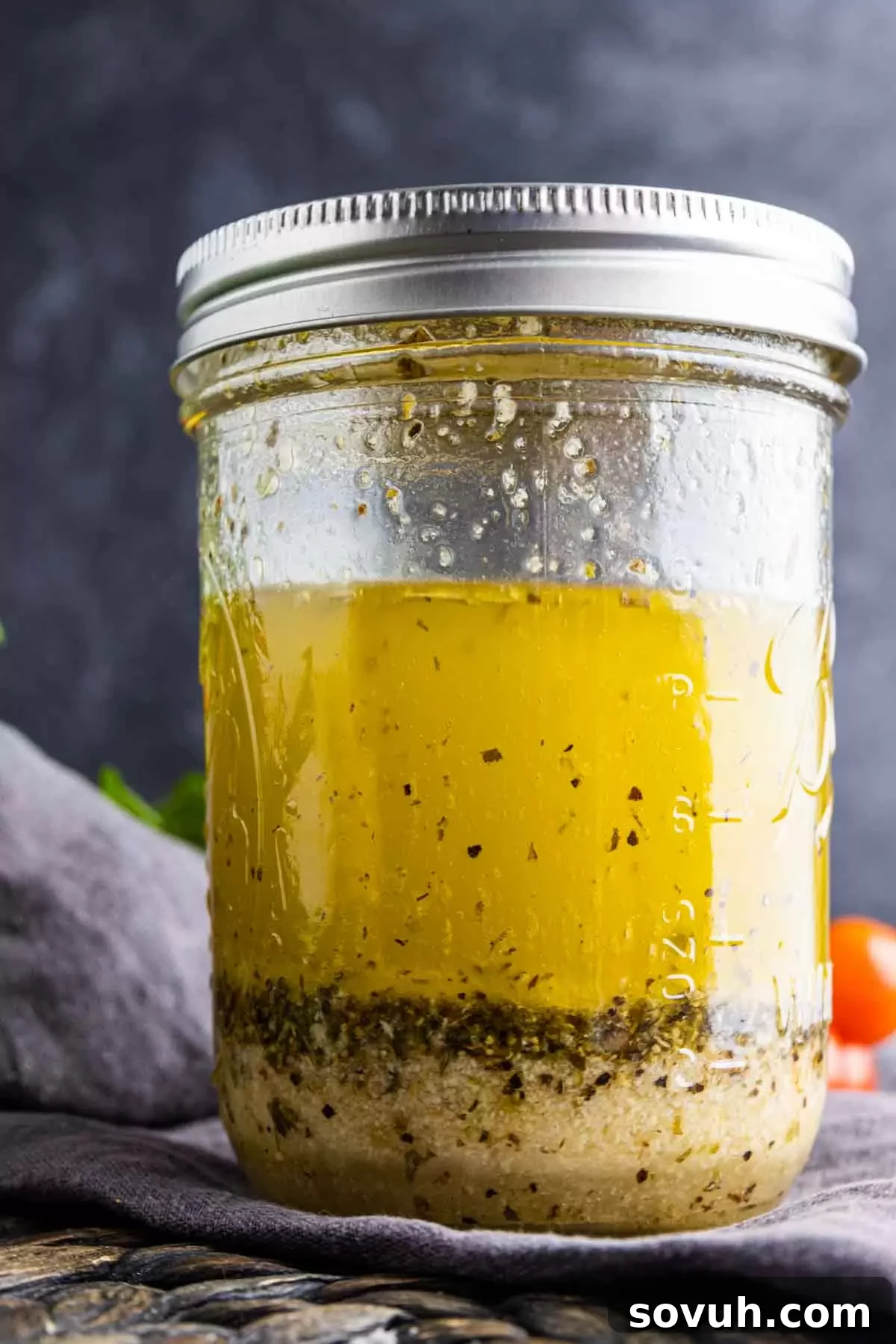
Crafting Your Homemade Italian Dressing: A Simple Guide
Making your own Italian dressing is incredibly straightforward and allows for endless customization. Follow these simple steps to create a fresh, flavorful dressing at home:
How to Make Homemade Italian Dressing
- Gather and Combine Ingredients: Begin by pouring all your measured ingredients – the oil, vinegar, grated Parmesan cheese (if using), Italian seasoning, garlic powder, onion powder, sugar, salt, and black pepper – into a clean mason jar with a tight-fitting lid. Alternatively, you can use a large mixing bowl.
- Emulsify for Perfection: This is a crucial step for achieving a well-blended dressing. If using a mason jar, securely fasten the lid and shake vigorously for 30-60 seconds until all the ingredients are thoroughly combined and the mixture appears uniform. If using a bowl, whisk the ingredients together energetically until they are fully emulsified. Emulsification is the process of combining two liquids that typically don’t mix easily, like oil and vinegar, into a stable, homogeneous mixture. The shaking or whisking breaks the oil into tiny droplets that disperse evenly throughout the vinegar, creating a smooth, cohesive dressing.
- Serve and Store: Your homemade Italian dressing is now ready to use! Enjoy it immediately or transfer it to an airtight container and store it in the refrigerator. The flavors will deepen as it sits, so making it ahead of time is a great option. Remember that the oil and vinegar may separate over time, so always give the dressing a good shake or stir just before each use to re-emulsify it.
Is Homemade Italian Dressing a Healthy Choice?
Compared to many store-bought varieties that often contain high-fructose corn syrup, artificial flavors, and excessive sodium, a simple homemade Italian dressing can indeed be a very healthy addition to your diet. By making it yourself, you control the quality and quantity of each ingredient. Here are some of the potential health benefits:
Heart-Healthy Fats
The primary ingredient in most Italian dressings is olive oil, particularly extra virgin olive oil. This oil is renowned for its high content of monounsaturated fats. These “good fats” are known to help reduce levels of LDL (bad) cholesterol and increase HDL (good) cholesterol, thereby significantly lowering the risk of heart disease and promoting overall cardiovascular health.
Rich in Antioxidants
Garlic, onion powder, and the various herbs found in Italian seasoning (like oregano and basil) are packed with powerful antioxidants. Antioxidants are compounds that combat free radicals in the body, which are unstable molecules that can cause cellular damage, contribute to aging, and increase the risk of chronic diseases. Including these ingredients regularly can help protect your cells and support a healthy immune system.
Aids in Weight Management
Adding a flavorful dressing like homemade Italian dressing to your salads can make healthy eating more enjoyable and satisfying. The healthy fats in olive oil help increase satiety, making you feel fuller for longer and potentially reducing overall calorie intake. This can be a beneficial strategy for weight management, as it discourages overeating and promotes a sense of satisfaction from your meals.
Anti-inflammatory Properties
Many herbs and spices used in Italian dressing, such as oregano, basil, and garlic, possess natural anti-inflammatory properties. Chronic inflammation is linked to numerous health issues, including heart disease, diabetes, and certain cancers. Incorporating these ingredients into your diet through dressings can contribute to reducing inflammation within the body.
Enhanced Nutrient Absorption
Certain vitamins, particularly fat-soluble vitamins like A, D, E, and K, require fat to be properly absorbed by the body. When you add an olive oil-based dressing to your salads and vegetables, you facilitate the absorption of these essential nutrients from the produce, maximizing the health benefits of your meal.
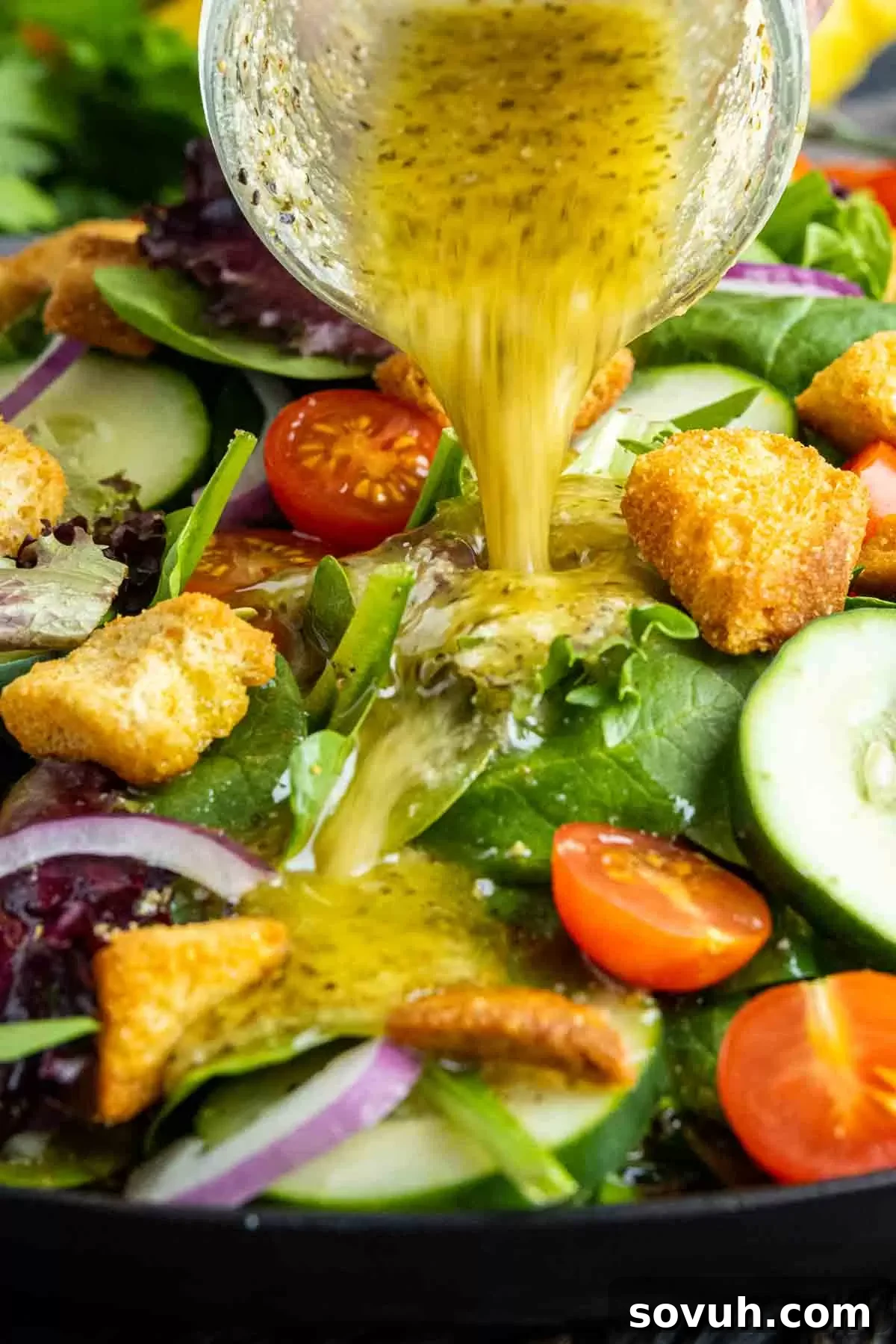
Unleashing the Versatility: Creative Uses for Italian Dressing
The beauty of Italian dressing lies in its incredible versatility. Beyond its classic role as a salad dressing, it can transform ordinary ingredients into extraordinary dishes. Here are some common and creative ways to incorporate this flavorful condiment into your cooking:
Classic Salad Dressing
Italian dressing is a timeless choice for salads, complementing a vast array of greens, vegetables, and even fruits. Its tangy and herbaceous notes brighten any salad bowl. Use it as a vibrant standalone dressing for simple mixed greens, or experiment by blending it with other ingredients to create unique creamy variations, such as mixing it with a dollop of mayonnaise, Greek yogurt, or sour cream for a richer texture. Popular salad recipes that are perfectly paired with Italian dressing include refreshing Caesar salads, hearty Greek salads, robust antipasto salads laden with meats and cheeses, and light yet satisfying pasta salads.
Dynamic Marinade
One of the most popular and impactful uses for Italian dressing is as a marinade. The acidity from the vinegar works wonders to tenderize proteins, while the blend of herbs and spices infuses meats, poultry, fish, and vegetables with a deep, savory flavor. To use it as a marinade, simply place your food in a non-reactive dish or a resealable bag, pour the Italian dressing over it, ensuring everything is well coated, and then cover and refrigerate. Marinating times can vary: poultry and fish typically benefit from 30 minutes to 2 hours, while tougher cuts of meat can marinate for 4 hours to overnight. It’s also excellent for basting food while grilling, roasting, or broiling, adding an extra layer of flavor and moisture.
Flavorful Sandwich Spread and Condiment
Breathe new life into your everyday sandwiches and wraps by using Italian dressing as a vibrant spread. It offers a tangy and savory alternative or addition to traditional condiments like mayonnaise, mustard, or ketchup. Mixing it with these staples can also create a more complex and custom flavor profile. Imagine a turkey and avocado sandwich with a zesty Italian dressing instead of plain mayo, or a chicken and pesto wrap enhanced by its herbaceous kick. It’s also fantastic on grilled veggie paninis or as a lively addition to tuna salad sandwiches, providing a welcome burst of flavor.
Delectable Dip
Italian dressing transforms effortlessly into a delicious dip for various snacks. Serve it on its own alongside a platter of fresh vegetables, crispy chips, or crusty bread for a simple yet satisfying appetizer. For a richer, creamier dip, combine it with ingredients like cream cheese, sour cream, or hummus. This creates a more substantial dip that’s perfect for entertaining. Consider using it as the base for popular dip recipes such as a savory spinach and artichoke dip, a spicy buffalo chicken dip, a vibrant roasted red pepper dip, or a classic bruschetta dip, adding a unique Italian twist.
Cooking Enhancer
Beyond its traditional roles, Italian dressing can be used directly in your cooking to infuse dishes with flavor. Drizzle it over vegetables before roasting for a quick and easy side dish. Toss it with cooked pasta and cherry tomatoes for a light and refreshing pasta salad. It can even be used to add a burst of flavor to grains like quinoa or rice, creating a more exciting side dish. Its versatility makes it a secret weapon for busy weeknight meals.
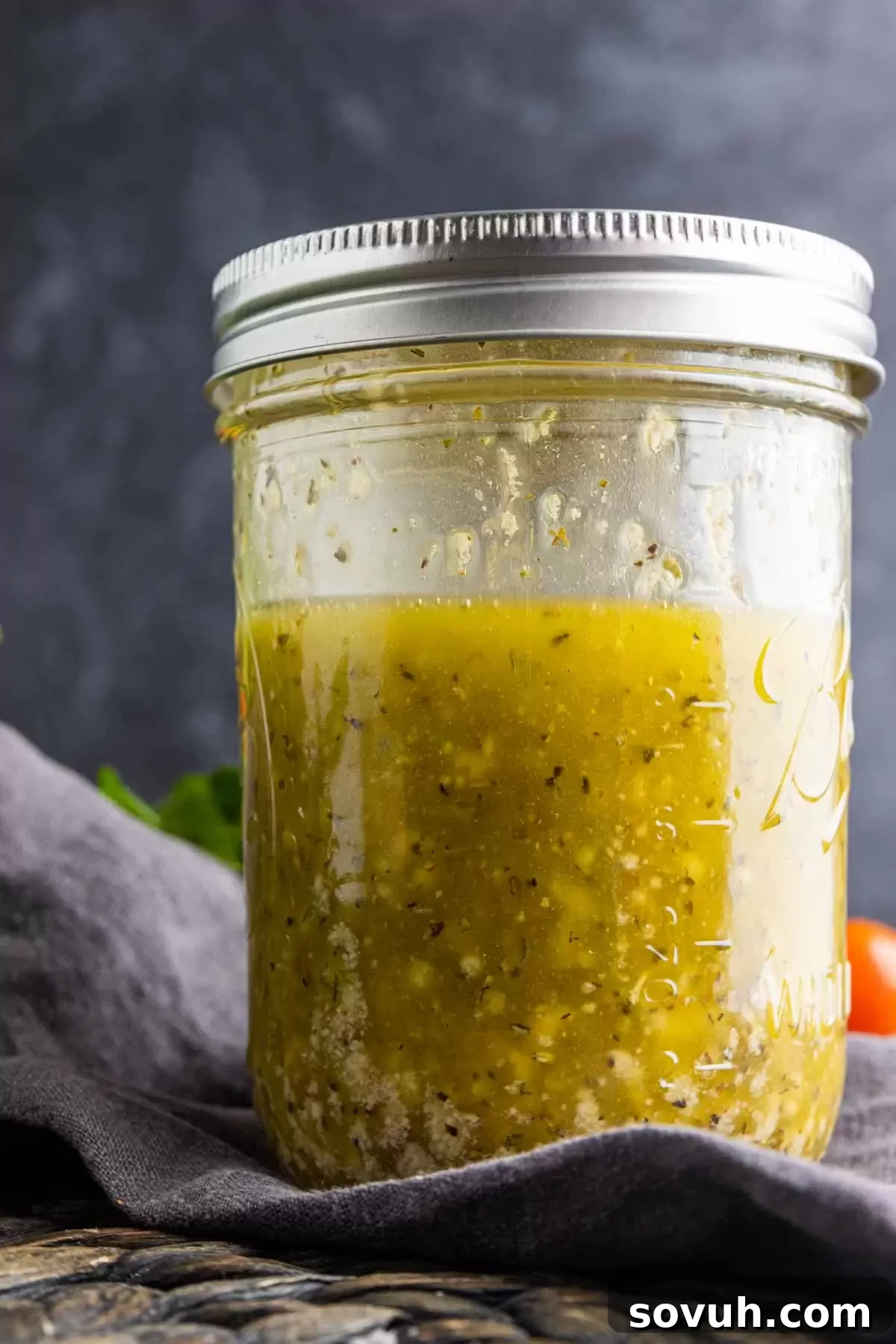
Frequently Asked Questions About Italian Dressing
Is Italian vinaigrette the same as Italian dressing?
Yes, the terms “Italian vinaigrette” and “Italian dressing” are often used interchangeably. A vinaigrette is fundamentally a mixture of oil and an acidic liquid (like vinegar or lemon juice), often seasoned with herbs and spices. Italian dressing is simply a popular and flavorful variation of a vinaigrette, distinguished by its specific blend of Italian-inspired herbs and seasonings.
What does Italian dressing taste like?
Italian dressing typically boasts a harmonious balance of tangy and savory flavors, often with a subtle sweetness. The prominent notes come from a blend of oil, vinegar (such as red wine or white wine vinegar), and classic Italian herbs like oregano, basil, and thyme. Other common additions include garlic powder, onion powder, and black pepper, which contribute depth and a mild pungency. The acidity of the vinegar provides a zesty brightness, while the sugar or honey (if added) rounds out the flavor profile with a touch of sweetness. Overall, it has a bright, aromatic, and invigorating taste that complements a wide variety of foods.
What is the difference between vinaigrette and creamy dressing?
The primary distinction between vinaigrette and creamy dressings lies in their base ingredients and resulting texture. Vinaigrette dressings are characterized by their simple emulsion of oil and an acid (vinegar or citrus juice), along with seasonings. They are typically lighter, clearer, and have a thinner, more fluid consistency. The oil and acid may separate upon standing, requiring a shake or whisk before use. Examples include balsamic vinaigrette, red wine vinaigrette, and of course, Italian dressing.
Creamy dressings, on the other hand, are made with a thicker, opaque base, most commonly mayonnaise, sour cream, buttermilk, or yogurt. This base gives them a rich, thick, and velvety texture. They often contain additional ingredients like cheese, herbs, and spices, resulting in a more indulgent and heavier dressing. Popular examples of creamy dressings include Ranch, Caesar, and blue cheese dressing.
Is Italian dressing vegan?
Whether Italian dressing is vegan depends entirely on its specific recipe or brand. Many homemade and store-bought Italian dressings are naturally vegan, made only with plant-based oils, vinegar, herbs, and spices. However, some versions may contain non-vegan ingredients such as dairy (like Parmesan cheese in our recipe or some commercial brands), honey, or even certain emulsifiers. If you are following a vegan diet, it is crucial to check the ingredient list carefully or ensure your homemade version omits any animal products.
Is Italian dressing gluten-free?
Most Italian dressings are inherently gluten-free, as their core ingredients (oils, vinegars, herbs, spices) do not contain wheat, barley, or rye. Nevertheless, some commercially produced Italian dressings might include gluten-containing thickeners, stabilizers, or flavor enhancers. For individuals with celiac disease or gluten intolerance, it is always advisable to thoroughly read food labels and opt for products explicitly certified as gluten-free to avoid potential cross-contamination.
How long does homemade Italian dressing last?
Homemade Italian dressing typically lasts for about one week when stored in an airtight container in the refrigerator. The absence of preservatives means it has a shorter shelf life than its store-bought counterparts. For the best flavor and freshness, it’s recommended to consume it within 5-7 days. Always shake well before each use, as the oil and vinegar will naturally separate.
Can Italian dressing be frozen?
Freezing Italian dressing is generally not recommended as it can negatively alter the texture and flavor of the dressing, particularly due to the oil and vinegar separating and the herbs becoming less potent. The emulsion may break, and upon thawing, the dressing might appear grainy or have an undesirable consistency. However, if you have a significant amount of leftover homemade Italian dressing that you won’t be able to use within a week, you can store it in an airtight freezer-safe container for up to three months. When you’re ready to use it, allow it to thaw completely in the refrigerator overnight, then give it a very vigorous shake or whisk to attempt to re-emulsify before serving.
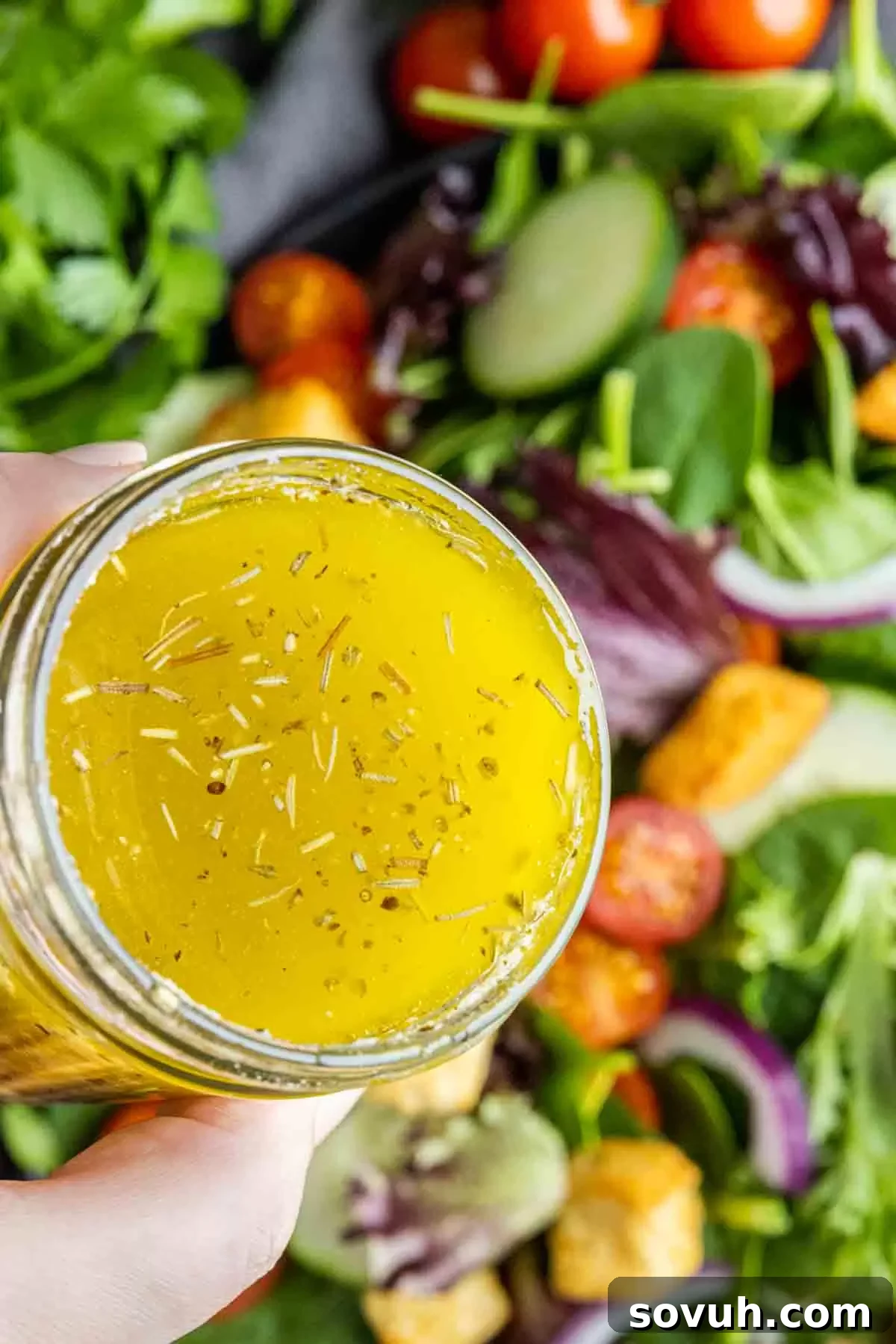
Explore Beyond Italian: Delicious Dressing Alternatives
While Italian dressing is a beloved classic, the world of dressings is vast and full of exciting flavors. If you’re looking to diversify your palate or simply try something new, here are some fantastic alternatives that offer different flavor profiles:
- Ranch Dressing: A quintessential American favorite, Ranch dressing is characterized by its creamy, tangy, and savory profile. Made with a base of buttermilk, mayonnaise, and a blend of herbs like dill, chives, and parsley, it’s incredibly versatile as a salad dressing, dip, or condiment for almost anything.
- Balsamic Vinaigrette: Elegant and sophisticated, balsamic vinaigrette combines the rich, sweet, and tangy notes of balsamic vinegar with olive oil, often sweetened with a touch of honey or maple syrup and seasoned with salt and pepper. It pairs beautifully with caprese salads, grilled vegetables, and robust greens.
- Honey Mustard Dressing: A delightful balance of sweet and savory, honey mustard dressing is made with Dijon mustard, honey (or another sweetener), vinegar, and oil. Its creamy yet tangy flavor makes it perfect for chicken salads, potato salads, or as a dip for chicken tenders and pretzels.
- Citrus Dressing: Bright, refreshing, and often slightly sweet, a citrus dressing typically features fresh lemon, lime, or orange juice as its acidic component, blended with olive oil and a hint of sweetener. It’s an invigorating addition to fruit salads, light green salads, or seafood dishes.
- Caesar Dressing: A creamy and robust dressing, classic Caesar is famous for its complex flavor profile. It combines anchovies (or Worcestershire sauce for a vegetarian version), Parmesan cheese, garlic, lemon juice, egg yolks, and olive oil to create a rich, savory, and slightly pungent dressing that is the hallmark of a Caesar salad.
- Southwest Salad Dressing: Inspired by bold Tex-Mex flavors, this creamy dressing often features ingredients like mayonnaise, sour cream, lime juice, cilantro, chili powder, cumin, and sometimes a hint of smoky chipotle. It’s fantastic with taco salads, grain bowls, and grilled chicken.
- Green Goddess Dressing: Luxuriously creamy and intensely herbaceous, Green Goddess dressing is a vibrant option. It typically combines mayonnaise, sour cream (or yogurt), fresh herbs like parsley, chives, tarragon, and chervil, along with anchovies, lemon juice, and garlic. Its rich flavor complements hearty salads, crudités, and even grilled fish.
Like this recipe?
Make sure to follow us on Instagram and Pinterest for more recipes like this.
Homemade Italian Dressing
Italian dressing is a flavorful condiment that can elevate your salads, sandwiches, and marinades. Learn how to make it at home with just a few simple ingredients!

Print Recipe
Ingredients
- 1 cup Olive oil
- 1/2 cup White wine vinegar
- 3 tablespoons Grated Parmesan cheese
- 1 tablespoon Italian seasoning
- 1/2 teaspoon Onion powder
- 1/2 teaspoon Garlic powder
- 1 teaspoon Sugar
- 1.5 teaspoons Kosher salt
- 1/2 teaspoon Black pepper
Instructions
- Pour all ingredients into a mason jar with a tight-fitting lid or a large bowl.
- Tightly fasten the jar lid in place and shake until mixed or whisk the ingredients in the bowl together.
- Use immediately or store in the refrigerator in an air-tight container until ready to serve. Always shake well before serving.
Nutrition
Serving: 2 tablespoons, Calories: 145 kcal, Carbohydrates: 1g, Protein: 0.4g, Fat: 16g, Saturated Fat: 2g, Polyunsaturated Fat: 2g, Monounsaturated Fat: 11g, Cholesterol: 1mg, Sodium: 269mg, Potassium: 13mg, Fiber: 0.2g, Sugar: 0.3g, Vitamin A: 16IU, Vitamin C: 0.1mg, Calcium: 17mg, Iron: 0.3mg
Nutrition Disclaimer: We are not certified nutritionists. Nutrition facts are an estimate and are provided as a courtesy. They are generated by an online API which recognizes ingredient names and amounts and makes calculations based on the serving size. Results may vary.
