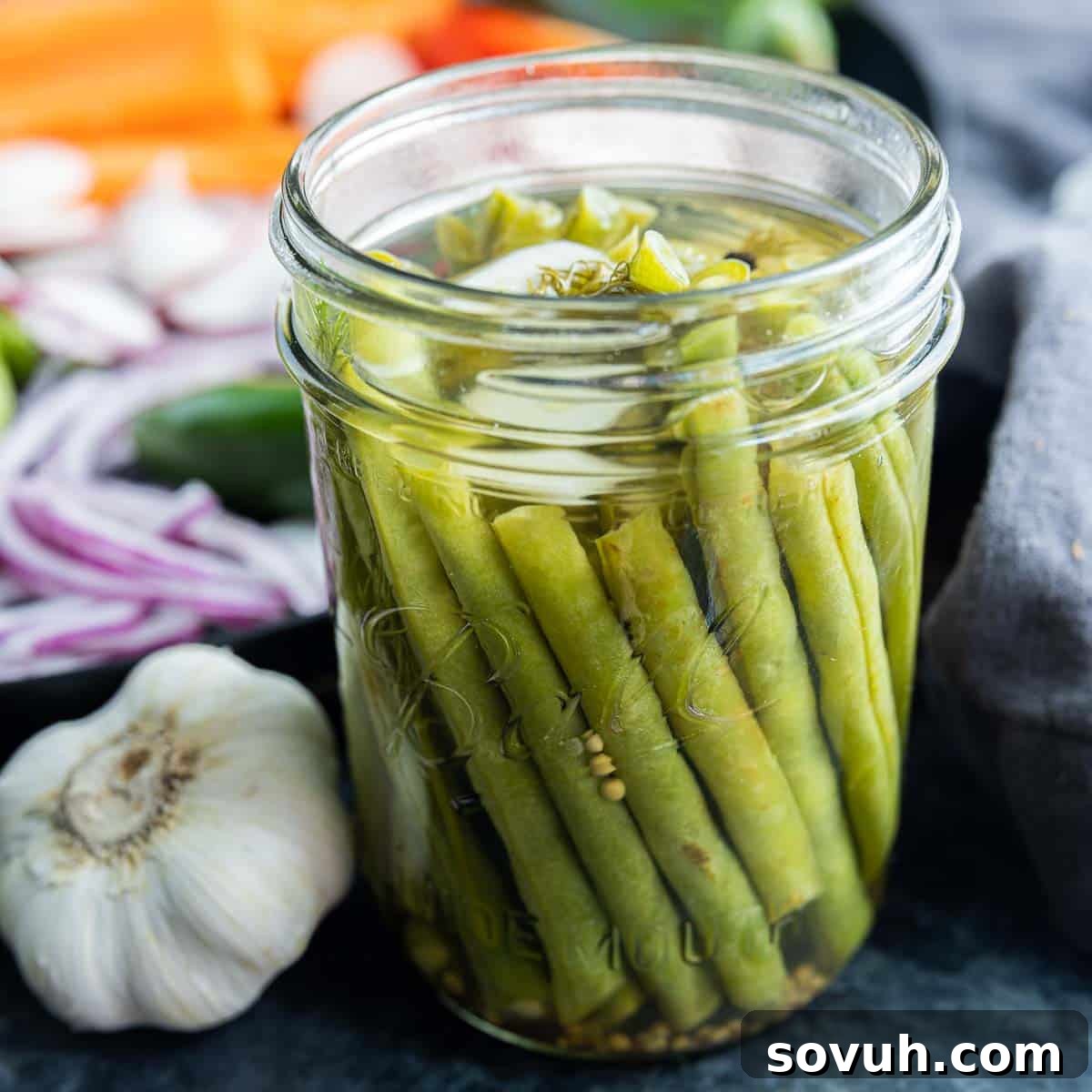
Do you have an abundance of fresh green beans from your garden or farmer’s market and wonder how to preserve their crisp texture and vibrant flavor? Look no further! This simple and delicious pickled green bean recipe, often known as “Dilly Beans,” is the perfect solution. In just a few easy steps, you can transform your harvest into a delightful snack or versatile side dish that will disappear faster than you can say “pickle!”
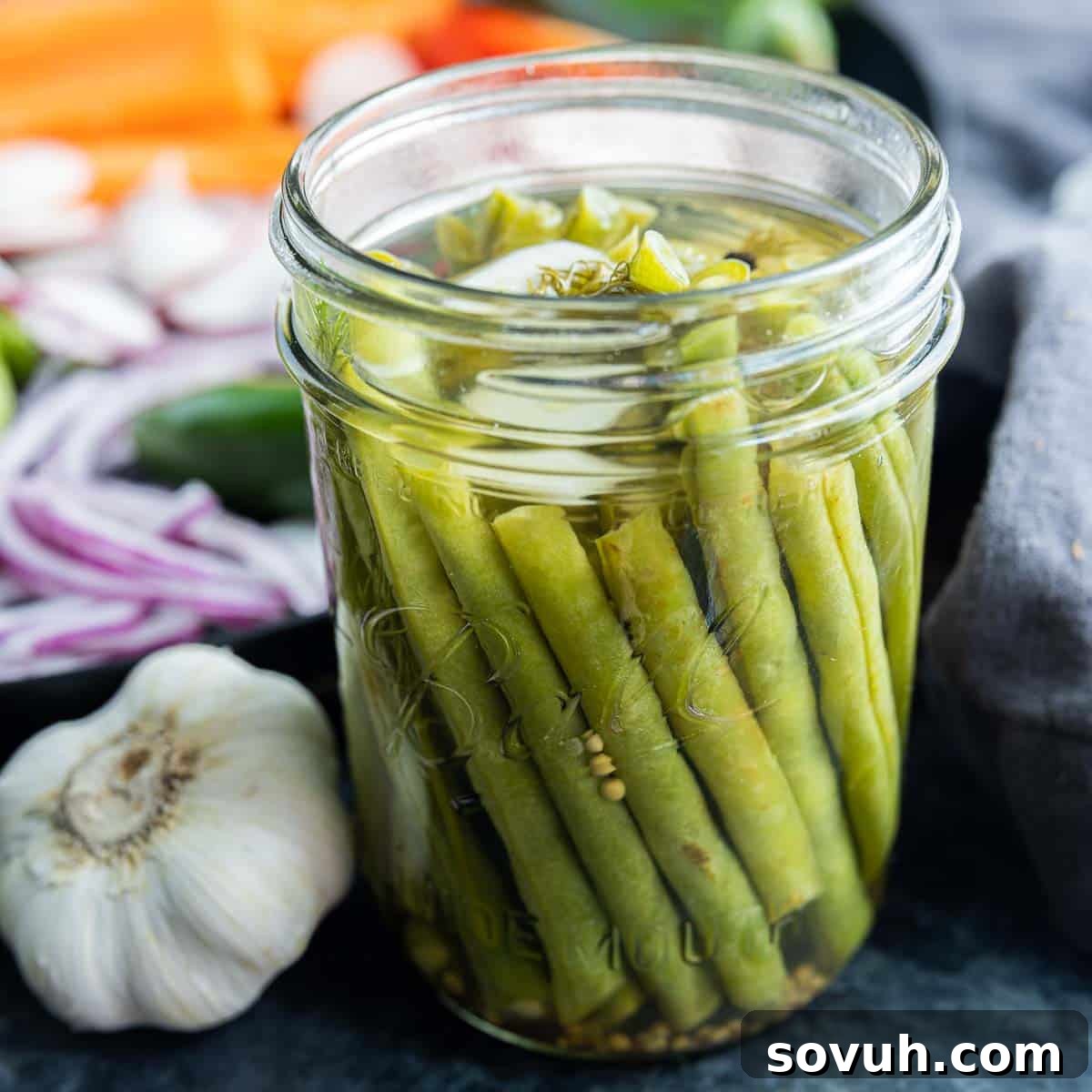
Easy & Delicious Pickled Green Beans (Dilly Beans) Recipe
Pickled green beans, affectionately known as Dilly Beans, offer a fantastic way to enjoy the fresh, crisp goodness of green beans beyond their peak season. Infused with the familiar tang and aromatic dill of traditional dill pickles, these snappy vegetables are not only incredibly flavorful but also packed with health benefits. Whether you’re a seasoned pickler or new to the art of food preservation, this quick and easy refrigerator pickle recipe will become a cherished staple in your kitchen.
Why You’ll Love Homemade Dilly Beans: A Nutritional Powerhouse
Beyond their irresistible taste and satisfying crunch, dilly beans are a powerhouse of nutrition. Fresh green beans are naturally rich in essential vitamins and minerals, and pickling them preserves much of this goodness. Here’s a closer look at what makes them so beneficial for your health:
- Rich in Vitamin K: Essential for blood clotting and crucial for maintaining strong bones, Vitamin K helps in calcium absorption and supports overall skeletal integrity.
- Good Source of Calcium: Another vital nutrient for bone density, adequate calcium intake is fundamental for preventing osteoporosis and promoting healthy teeth.
- Packed with Antioxidants: Green beans are loaded with antioxidants like flavonoids and carotenoids, which combat free radicals in the body. This reduces cellular damage, supports a robust immune system, and contributes to overall well-being.
- High in Dietary Fiber: The significant fiber content in dilly beans aids in healthy digestion, promotes a balanced gut microbiome, and can help stabilize blood sugar levels. Fiber also enhances feelings of fullness, making them an excellent, satisfying snack for weight management.
- Contains Folic Acid (Folate): This B-vitamin is particularly important for pregnant women as it plays a critical role in cell growth and development, helping to prevent birth defects and supporting maternal health.
Regular consumption of green beans, whether fresh or in their delightful pickled form, has been linked to several additional health advantages. These include contributing to lower cholesterol levels and even playing a role in mood regulation, potentially aiding in the fight against depression. These vibrant, crunchy treats deliver a delicious and nutrient-dense punch in every bite, making them a smart and flavorful choice for your entire family.
Serving Suggestions: Endless Culinary Possibilities
The versatility of quick pickled green beans extends far beyond a simple snack straight from the jar. Their tangy crunch and savory dill flavor make them a fantastic addition to a variety of dishes, elevating both flavor and texture:
- Effortless Standalone Snack: Enjoy them chilled, right out of the fridge, for a refreshing, low-calorie, and healthy pick-me-up any time of day.
- Elevate Charcuterie Boards: Brighten up your appetizer spread by adding a colorful pile of dilly beans to your next charcuterie or cheese board. Their sharp, bright flavor provides a delightful contrast to rich cheeses, cured meats, and other savory bites.
- Enhance Salads: Chop them coarsely or leave them whole and toss them into green salads, pasta salads, potato salads, or grain bowls for an extra layer of texture, tang, and visual appeal.
- Boost Sandwiches and Wraps: Add a few crunchy dilly beans to your favorite sandwich or wrap for a burst of zesty flavor and satisfying crunch. They pair wonderfully with deli meats, cheeses, or even plant-based fillings.
- Gourmet Garnish for Beverages: Much like a classic dill pickle spear, a dilly bean makes an excellent, gourmet garnish for a Bloody Mary or other savory cocktails. For the ultimate pickle garnish platter, pair them with our quick pickled carrots and pickled cauliflower!
- Vibrant Side Dish: Serve them alongside grilled meats, roasted chicken, pan-seared fish, or hearty stews for a bright, tangy, and refreshing counterpoint to richer flavors.
No matter how you choose to enjoy them, these homemade pickled green beans are sure to be a hit and quickly become a cherished part of your culinary repertoire!
Note: This post may contain affiliate links. That means if you click on a link and make a purchase we may receive a small commission. Thank you for supporting our content!
Essential Ingredients for Perfect Dilly Beans
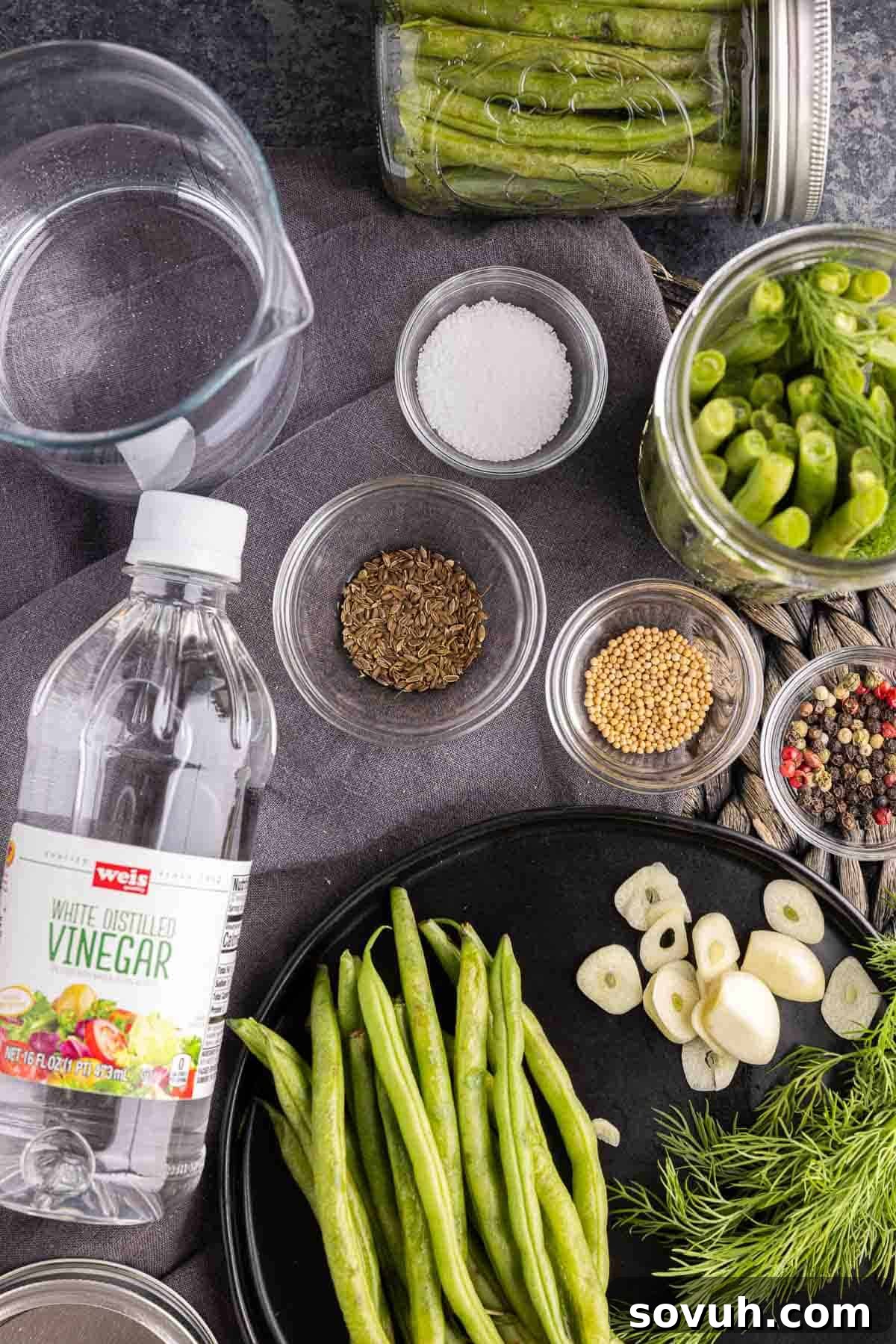
Crafting the perfect batch of dilly beans requires a few simple yet crucial ingredients. The quality of your components directly impacts the final flavor, texture, and crispness. Here’s a detailed breakdown of what you’ll need and why each element is important:
- Fresh Green Beans: The absolute star of this recipe! For the best results, look for vibrant, firm green beans that snap easily when bent. Avoid any beans with visible blemishes, softness, or wilting. Trimming the very ends of the beans is optional but often preferred for a cleaner look and to ensure they fit snugly in your jars. You can use classic snap beans, slender French haricots verts, or even yellow wax beans for a visually appealing variation.
- White Vinegar: This forms the essential acidic backbone of your pickling brine. White vinegar, typically with a consistent 5% acidity, provides the necessary environment for quick pickling, inhibits bacterial growth, and contributes to the classic tangy flavor. While other vinegars like rice vinegar, apple cider vinegar, or white wine vinegar can be used for subtle flavor variations, be aware that red wine vinegar will impart a reddish hue to your beans, which some prefer to avoid. Always ensure your chosen vinegar has at least 5% acidity for food safety.
- Water: Filtered water is recommended to mix with the vinegar, creating a balanced pickling brine. The water helps to dilute the strong acidity of the vinegar to a palatable level while still maintaining its preserving qualities.
- Kosher Salt: The choice of salt is paramount for achieving clear, crisp, and perfectly flavored pickles. It is imperative to use non-iodized salt, such as kosher salt or sea salt. Iodized table salt contains anti-caking agents and iodine, which can react with the vegetables and brine, leading to an undesirable cloudy brine and potentially discolored, dark vegetables. Fine-grain pickling salt is another excellent non-iodized option specifically designed for this purpose.
- Fresh Dill: This aromatic herb is so central to the recipe that it gives these beans their beloved “dilly” nickname! Fresh dill sprigs provide a bright, herbaceous, and slightly anise-like flavor that is characteristic of classic dill pickles. Don’t be shy; be generous with your fresh dill for the most vibrant results.
- Garlic: Sliced garlic cloves add a pungent, aromatic depth and a foundational savory note to the brine. Slicing the garlic rather than mincing it allows its flavor to infuse gradually and gently, preventing it from becoming overpowering. It also helps minimize the chance of the garlic turning an undesirable blue or green color, which can sometimes occur with minced garlic in an acidic environment.
- Mustard Seeds: A time-honored pickling spice, mustard seeds (often yellow or brown) contribute a subtle, warm, and tangy kick to the brine. They complement the dill beautifully and add a delightful visual element to your jars.
- Whole Black Peppercorns: These provide a mild, aromatic spice without the harshness of ground pepper. Whole peppercorns slowly release their nuanced peppery notes into the brine, enhancing the overall flavor profile with a gentle warmth.
- Dill Seed: While fresh dill provides a vibrant, green herb note, dill seeds offer a more concentrated, earthy, and robust dill flavor. Using both fresh dill sprigs and dill seeds creates a complex and deeply “dilly” taste that is truly irresistible and authentic.
For those who enjoy a little extra kick, consider elevating the spice level by adding a generous pinch of red pepper flakes, a dash of cayenne pepper, or even a few slices of fresh jalapeño or serrano peppers directly to your jars. This allows for customizable heat that can transform your dilly beans into a fiery and exhilarating delight!
Want to master the art of quick pickling? Explore our comprehensive guide on How to Make Quick Pickled Vegetables for more essential tips and inspiring recipes!
Step-by-Step Instructions: Crafting Your Own Dilly Beans
Making quick pickled green beans is an incredibly straightforward and rewarding process, requiring just a few simple steps. Follow these instructions carefully to ensure crisp, flavorful results every single time. Precision and cleanliness are key!
Step 1: Prepare Your Green Beans and Jars
Begin by thoroughly washing your fresh green beans under cold running water. Pat them completely dry with a clean kitchen towel or allow them to air dry on a rack. While trimming the very ends of the beans is often done for aesthetics and to ensure they fit neatly in the jars, it’s not strictly necessary for the taste or preservation. If you do trim them, aim for a consistent length that allows them to stand upright in your chosen pint-sized wide-mouth canning jars without poking out above the rim, ensuring you leave approximately half an inch of headspace.
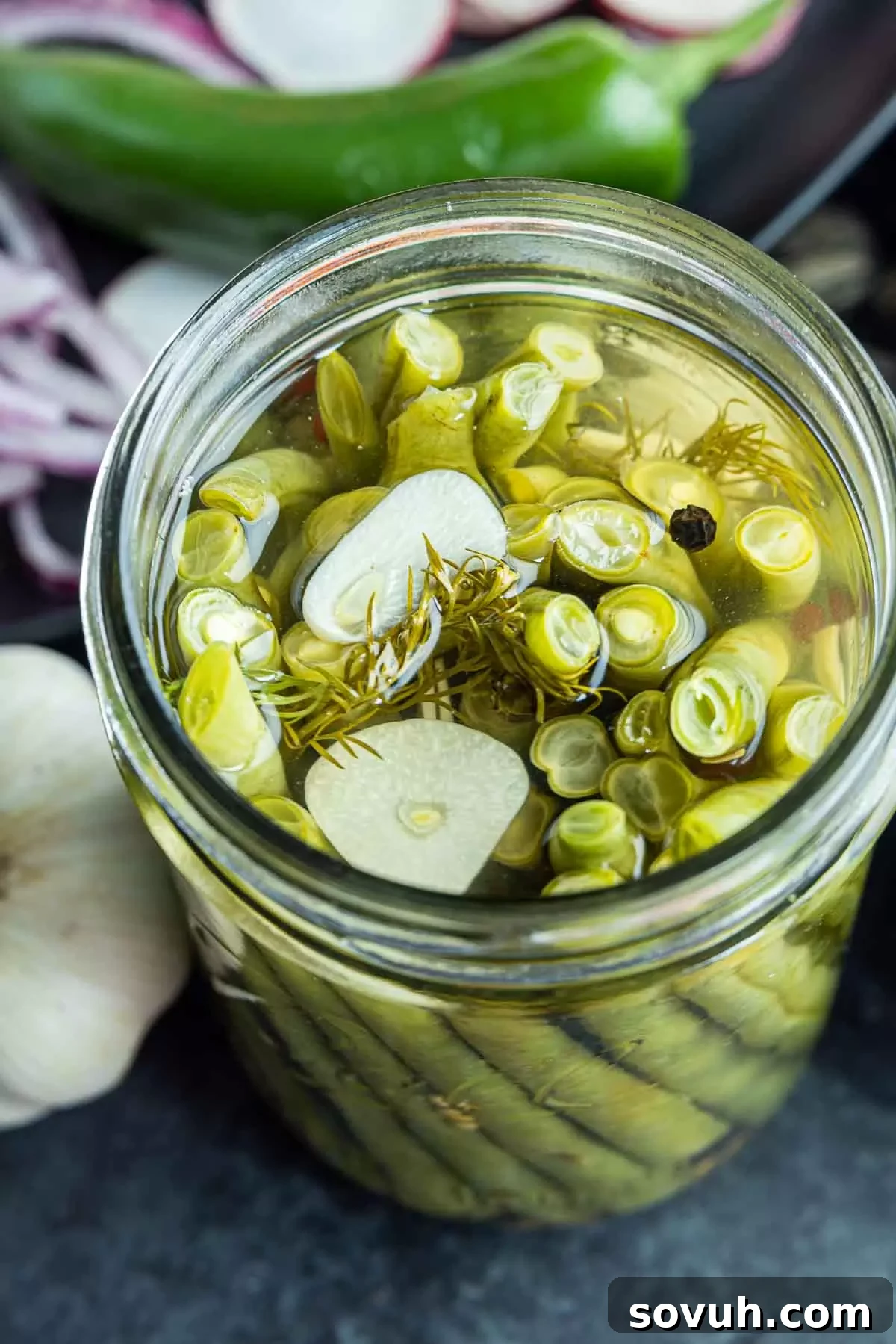
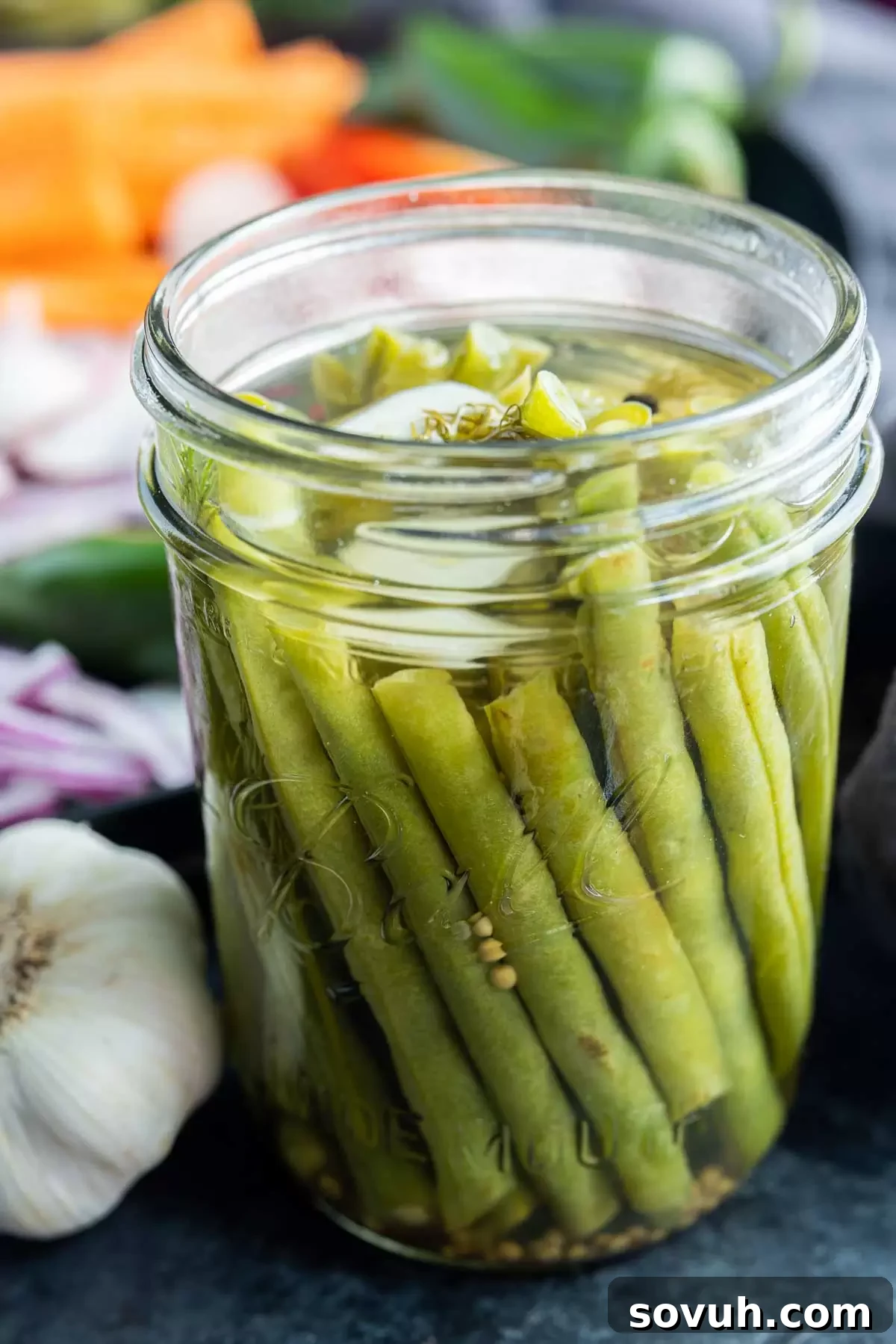
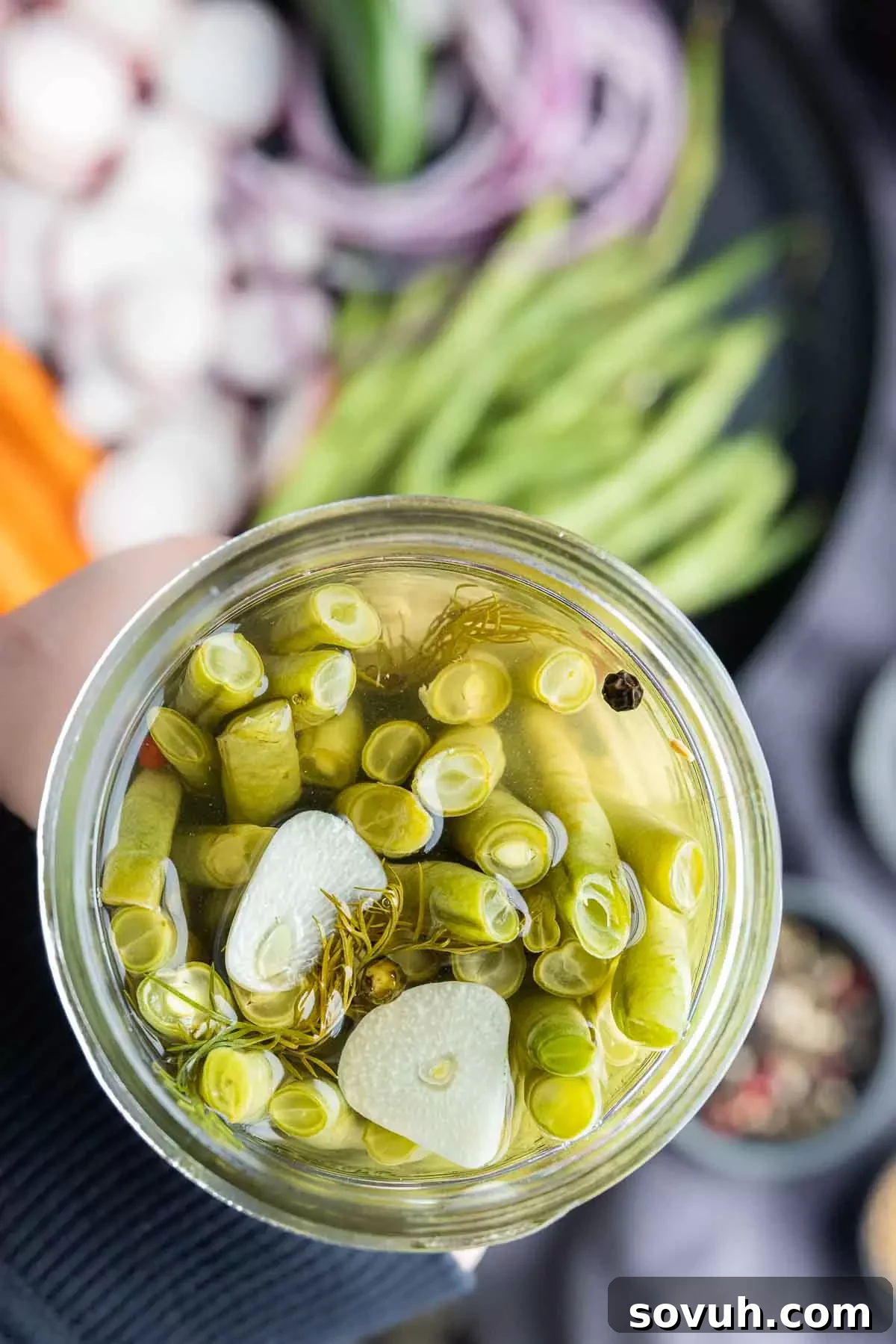
Next, prepare your jars. Although full sterilization is not strictly required for refrigerator pickles (as they are not shelf-stable and will be kept cold), ensuring your jars and lids are sparkling clean is always good practice to prevent any unwanted spoilage. Divide the fresh dill sprigs evenly between your clean pint-sized jars, placing them at the bottom. Then, carefully pack the green beans vertically into the jars. The goal is to pack them tightly, but avoid bruising them. Maximize the number of beans in each jar while still allowing enough space for the pickling brine to circulate around them. The tops of the green beans should sit slightly below the rim of the jar to allow for proper lid application and sealing.
Step 2: Prepare the Flavorful Brine
In a small, non-reactive saucepan (such as stainless steel or enamel), combine the white vinegar, water, kosher salt, sliced garlic, mustard seeds, whole black peppercorns, and dill seed. Bring this entire mixture to a rolling boil over medium-high heat. Stir occasionally to ensure that the kosher salt fully dissolves into the liquid. The boiling process is crucial not only for thoroughly dissolving the salt and infusing the spices into the liquid but also for ensuring the brine is hot enough to properly “pickle” the beans and contribute to that desirable crisp texture once cooled.
Step 3: Fill and Seal Your Jars with Brine
Once the brine reaches a vigorous, bubbling boil, immediately remove the saucepan from the heat. Allow the hot brine to cool for just 2-3 minutes. This brief cooling period helps prevent thermal shock to your glass jars, which could potentially cause them to crack. Carefully and slowly pour the hot brine over the packed green beans in each jar, ensuring that the beans are completely submerged in the liquid. Make sure to leave about a quarter to half an inch of headspace (empty space) at the very top of each jar, between the brine and the rim. This headspace is essential for proper lid sealing and to prevent any overflow when the lid is applied and when the beans expand slightly.
Step 4: Cool, Store, and Enjoy Your Dilly Beans
Allow the filled jars to cool completely to room temperature on your countertop. This natural cooling process can take several hours, so be patient. Once the jars are no longer warm to the touch, screw the lids on tightly. Then, immediately transfer the jars to your refrigerator. For optimal flavor development, it is highly recommended to let the dilly beans sit in the refrigerator for at least 48 to 72 hours (2-3 days) before you begin eating them. The longer they sit, the more deeply the flavors will meld and the more pronounced and delicious the pickled taste will become. Many find that they taste even better after a full week! Since this is a quick pickle recipe and the beans are not canned using traditional methods, they cannot be stored at room temperature and must always be kept refrigerated.
Choosing the Best Containers for Your Pickled Green Beans
The container you select for your homemade dilly beans plays a significant role in their quality, freshness, and ease of use. For quick refrigerator pickles, we highly recommend using glass wide-mouth pint jars (or quart jars if you’re making a larger batch). Here’s a detailed explanation of why these are the ideal choice:
- Non-Reactive Material: Glass is an inert and non-reactive material, meaning it will not interact chemically with the acidic vinegar brine. This is crucial for preserving the pure, untainted flavor of your dilly beans. Unlike some plastic containers, glass won’t leach chemicals or absorb flavors over time, ensuring your pickles taste exactly as intended.
- Durability and Reusability: High-quality canning jars are specifically designed for repeated use. With proper care, they are incredibly durable and can be used for many years, making them an eco-friendly and economical choice for all your pickling needs.
- Airtight Seal: When paired with standard two-piece canning lids (consisting of a flat disc and a screw band), glass jars provide an excellent airtight seal. While quick refrigerator pickles don’t require the vacuum seal achieved with traditional canning, a tight seal is essential for keeping your beans fresh, preventing premature spoilage, and maintaining their crispness.
- Wide Mouth Design: Wide-mouth jars are exceptionally convenient for packing long vegetables like green beans vertically. Their wider opening makes it much easier to arrange the beans neatly without damaging them and simplifies the process of retrieving them later, ensuring they remain perfectly crisp and intact.
Before using, always ensure your jars and lids are meticulously clean. While full sterilization (as required for shelf-stable canning) isn’t strictly necessary for refrigerator pickles, a thorough cleaning in hot, soapy water followed by a good rinse, or running them through a dishwasher’s sanitize cycle, is highly recommended to remove any bacteria that could potentially affect their quality during their refrigerated lifespan.
Flavor Customization: Spice Them Up and Beyond!
One of the most exciting aspects of making homemade dilly beans is the endless opportunity for customization. While the classic dill and garlic combination is undeniably delicious, you can easily add your own personal spin to the recipe, tailoring the flavors to your exact preferences:
- For Heat Seekers: If you love a spicy kick, there are many ways to add heat. Incorporate a generous pinch of crushed red pepper flakes, a whole dried chili pepper (like a arbol or piquin), or a few thin slices of fresh jalapeño, serrano, or even habanero pepper directly into each jar before pouring in the brine. The heat will slowly infuse into the beans over time, intensifying with age.
- Herbaceous Twists: Experiment with other fresh herbs to add unique aromatic layers. A small sprig of fresh rosemary, a few delicate thyme sprigs, or a bay leaf can introduce unexpected yet delightful nuances to your dilly beans.
- Sweet & Savory Balance: For those who prefer a slightly sweeter profile, you can add a small amount of granulated sugar (typically about 1-2 teaspoons per pint jar) to your brine. This creates a bread-and-butter pickle style, offering a pleasant contrast to the predominant tartness.
- Explore Other Whole Spices: Venture beyond the basic pickling spices. Consider adding whole coriander seeds for a citrusy note, fennel seeds for a subtle licorice-like flavor, a star anise pod for an exotic twist, or even a small piece of cinnamon stick for an unexpected warmth. A premixed pickling spice blend can also be a convenient way to introduce a complex medley of flavors.
- Aromatics for Depth: A few thin slices of red onion or shallots can add an extra layer of savory flavor, a subtle sweetness, and a beautiful color contrast when packed into the jar alongside the green beans.
Don’t be afraid to experiment and play with different spices, herbs, and peppers in varying amounts to find your perfect flavor combination. Making small experimental batches is a fantastic way to discover new favorites and truly personalize your homemade dilly beans!
Are Pickled Green Beans Keto-Friendly? Absolutely!
Yes, absolutely! This quick pickled green bean recipe is an excellent and highly recommended choice for anyone following a ketogenic, low-carb, or sugar-free diet. Since absolutely no sugar is added to the brine, these dilly beans are naturally very low in carbohydrates, making them a fantastic, guilt-free snack option. They offer a wonderfully refreshing, crunchy, and tangy alternative to traditional cucumber dill pickles, providing much-needed variety to your keto snack rotation. Packed with beneficial fiber and bursting with savory flavor, dilly beans can help keep you feeling satisfied and on track with your dietary goals without compromising on taste.
Frequently Asked Questions About Dilly Beans
Dilly Beans boast a wonderfully tangy, savory, and aromatic flavor profile, very similar to classic dill pickles but with a distinct and satisfying crunch from the green beans. The dominant flavors are tartness from the vinegar, herbaceous notes from fresh dill, and pungent undertones from garlic. You can easily modify or enhance the flavor by adjusting the amount of garlic, adding red pepper flakes for heat, or incorporating other chili peppers for a spicier kick.
While it’s tempting to dive in right away, patience is key for optimal flavor. We recommend allowing your quick pickled green beans to soak in the brine for at least 48 to 72 hours (2-3 days) in the refrigerator. This period allows the beans to fully absorb the flavors of the brine and spices. For the most profound and delicious flavor, let them sit for at least one week before enjoying them. The waiting time is well worth the enhanced taste experience!
Since this is a quick pickle (or refrigerator pickle) recipe, and the green beans are not processed using traditional canning methods, they are not shelf-stable. Your homemade dilly beans must be stored in the refrigerator at all times. When stored properly in airtight jars in the fridge, they will last for up to 3 weeks, and often even longer. Always check for any signs of spoilage, such as mold, off-smells, or unusual texture, before consuming.
While technically possible, it is generally not recommended to use frozen green beans for pickling. Freezing and thawing can alter the cellular structure of the beans, making them softer and less crisp. The signature crunch of dilly beans is a key part of their appeal, and using fresh, firm beans will always yield the best results. If you must use frozen, ensure they are thawed completely and patted very dry, but expect a slightly less crisp outcome.
For quick refrigerator pickles, full sterilization (as required for shelf-stable canning) is not strictly necessary because the pickles are stored in the cold environment of the refrigerator. However, it is always a good practice to ensure your jars and lids are thoroughly clean and hot. Washing them in hot, soapy water and rinsing well, or running them through a dishwasher cycle, is usually sufficient to remove any bacteria that could cause spoilage during their refrigerated lifespan.
Explore More Quick Pickled Vegetable Recipes!
If you’ve enjoyed making these delightful dilly beans, you’ll be thrilled to discover how many other vegetables can be transformed into quick, tangy treats. Quick pickling is a fantastic and easy way to extend the life of your fresh produce and add a burst of vibrant flavor to any meal. Dive into more of our easy refrigerator pickle recipes and expand your culinary horizons:
- Quick Pickled Cucumber
- Quick and Easy Pickled Cauliflower
- Easy Refrigerator Zucchini Pickles
- Quick Pickled Carrots
- Quick Pickled Garlic
- Quick Pickled Jalapenos
- Pickled Red Onions
- Quick Pickled Radishes
- More Pickled Vegetables…
Loved this recipe and eager for more culinary inspiration? Don’t miss out on our latest updates, tips, and delicious recipe ideas! Make sure to follow us on Instagram and Pinterest for daily dose of creativity in the kitchen. Happy pickling!
8
20 minutes
3 minutes
2 days
2 days
23 minutes
Pickled Green Beans {Dilly Beans}
Kat Jeter & Melinda Machado
Print Recipe
Ingredients
- 16 ounces Fresh green beans
- 1.25 cups White vinegar
- 1.25 cups Water
- 2 teaspoons Kosher salt
- 2 sprigs Fresh Dill
- 2 cloves Garlic, sliced
- 1/2 teaspoon Mustard seeds
- 1/2 teaspoon Whole black peppercorns
- 1/2 teaspoon Dill seed
Instructions
-
Wash green beans well and pat dry. You can trim the ends of the beans if you like but it isn’t required.
-
Divide the fresh dill between 2 wide mouth pint mason jars.
-
Pack the green beans tightly into the jars.
-
Add vinegar, water, salt, sliced garlic, mustard seeds, whole black peppercorns, and dill seed to a small pot and bring to a boil over medium high heat.
-
Once the mixture reaches a boil remove it from the heat and let it cool for 2-3 minutes before pouring it over the beans in the jar.
-
Let the mixture cool completely before screwing the lid on and placing the jars in the refrigerator. Let sit for 48-72 hours before eating.
Nutrition
Calories: 28kcal,
Carbohydrates: 5g,
Protein: 1g,
Fat: 1g,
Saturated Fat: 1g,
Polyunsaturated Fat: 1g,
Monounsaturated Fat: 1g,
Sodium: 588mg,
Potassium: 131mg,
Fiber: 2g,
Sugar: 2g,
Vitamin A: 397IU,
Vitamin C: 7mg,
Calcium: 30mg,
Iron: 1mg
Side
American
