Note: This post may contain affiliate links. That means if you click on a link and make a purchase, we may receive a small commission. Thank you for supporting our content!
Authentic Southern Cornbread Recipe: A Savory Classic with No Sugar Added
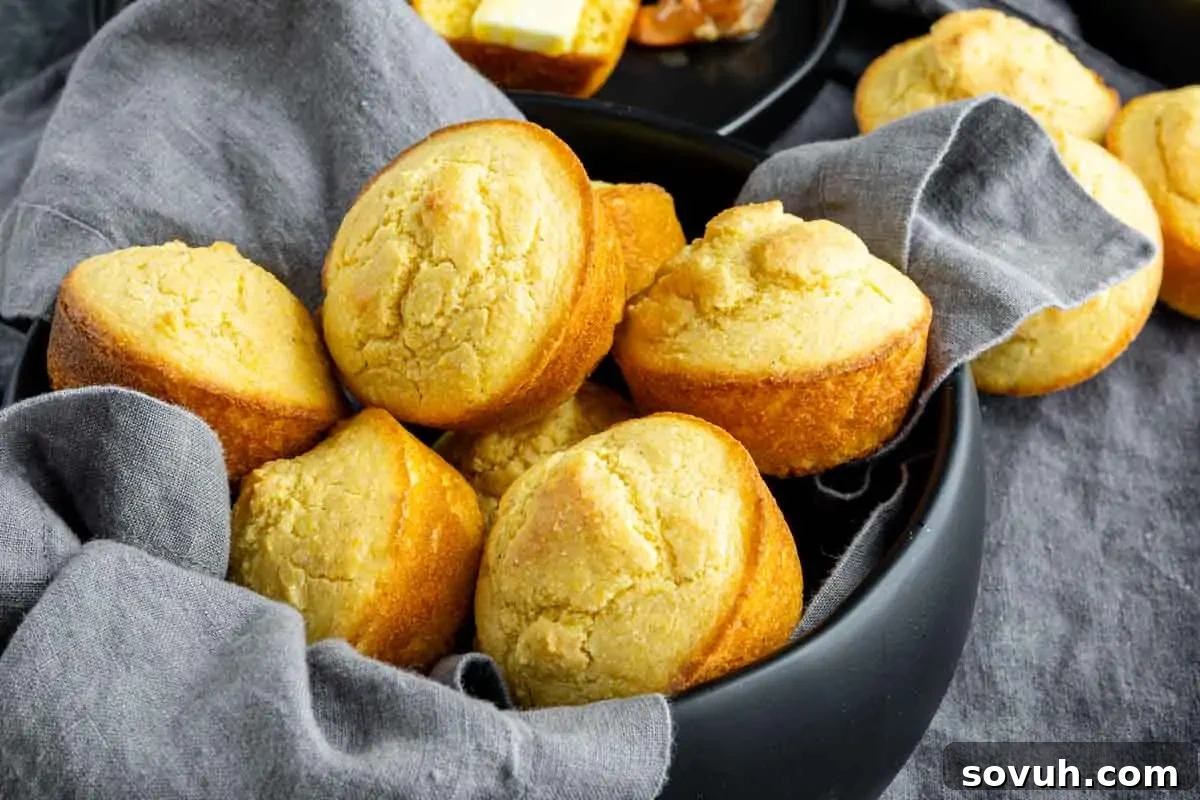
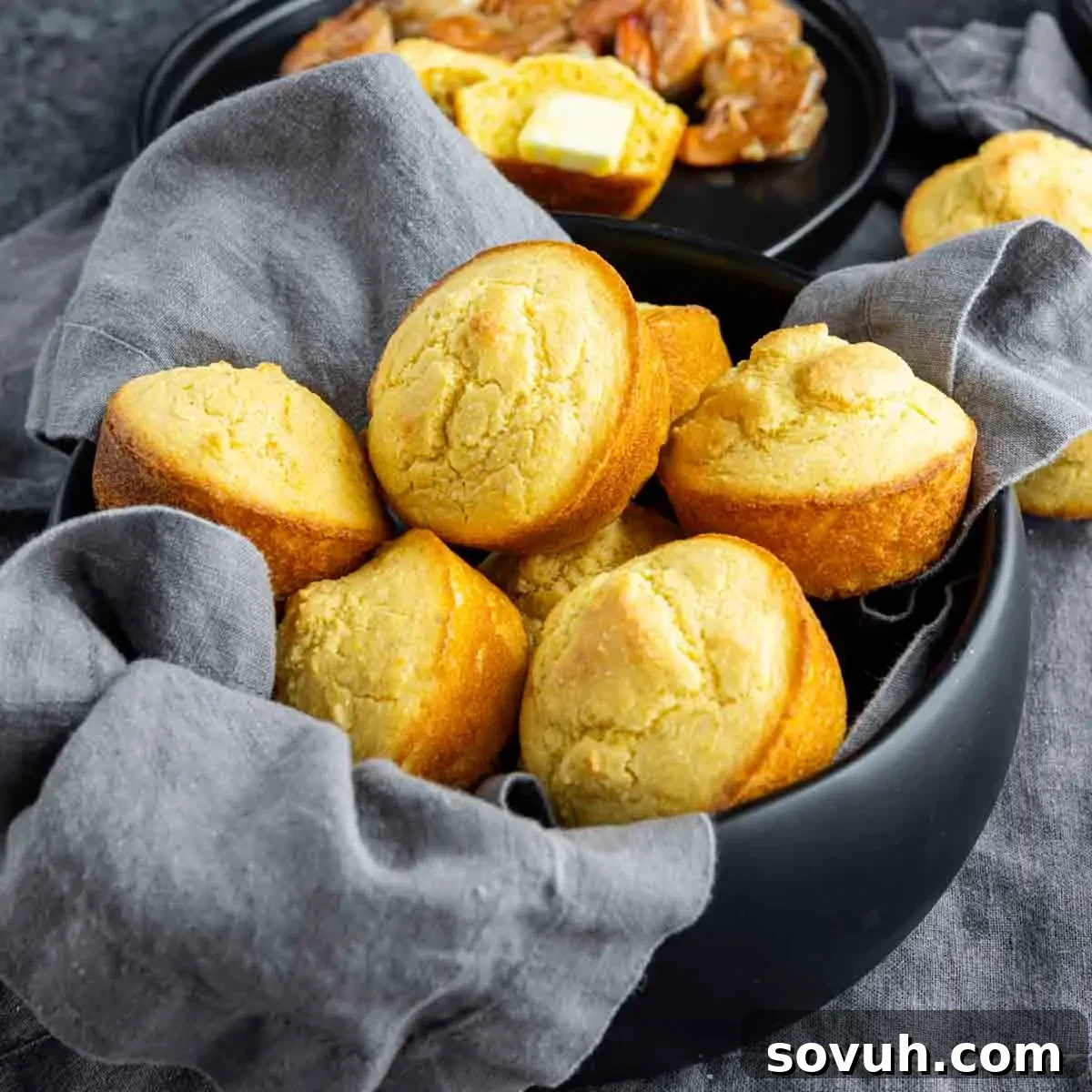
Few dishes evoke the warmth and comfort of Southern cooking quite like a perfectly baked batch of cornbread. But for those of us deeply rooted in Southern culinary traditions, there’s a particular nuance that sparks a friendly (or not-so-friendly) debate: the role of sugar. Today, I’m taking a firm stance and speaking my truth: true Southern Cornbread is a savory delight, and sugar has no place in it.
Now, before anyone gets their spatulas in a twist, let me clarify. If you enjoy your cornbread sweet, cake-like, and tender, there’s absolutely nothing wrong with that! Many Northerners, and even some modern Southern recipes, incorporate sugar for a different texture and flavor profile. However, this recipe honors the time-tested tradition of classic Southern cornbread: rich, savory, slightly crumbly, and golden-crusted, designed to complement hearty meals rather than compete with them. My fellow enthusiast, Melinda, often prefers a sweeter version, and we’ve happily agreed to disagree on this delightful divergence!
The essence of authentic Southern cornbread lies in its simplicity and reliance on quality ingredients that let the cornmeal shine. It’s predominantly corn-based, with just enough flour to bind it, and it finds its flavor in tang from buttermilk and richness from fat, not sweetness. Serious Eats has an insightful article delving into the historical and cultural reasons behind sugar-free Southern cornbread, which I highly recommend for a deeper dive into this beloved staple.
This particular recipe comes straight from my grandma’s kitchen, a culinary heirloom I’ve cherished since I was a child. It’s the very same foundation I use for my famous Southern Cornbread Dressing at Thanksgiving, making it an indispensable part of our holiday feasts. Beyond the holidays, it’s my absolute favorite accompaniment to comforting dishes like hearty ham and navy bean soup and vibrant collard greens. This cornbread isn’t just a side dish; it’s a taste of home, history, and pure Southern soul food.
Essential Ingredients for Your Savory Cornbread
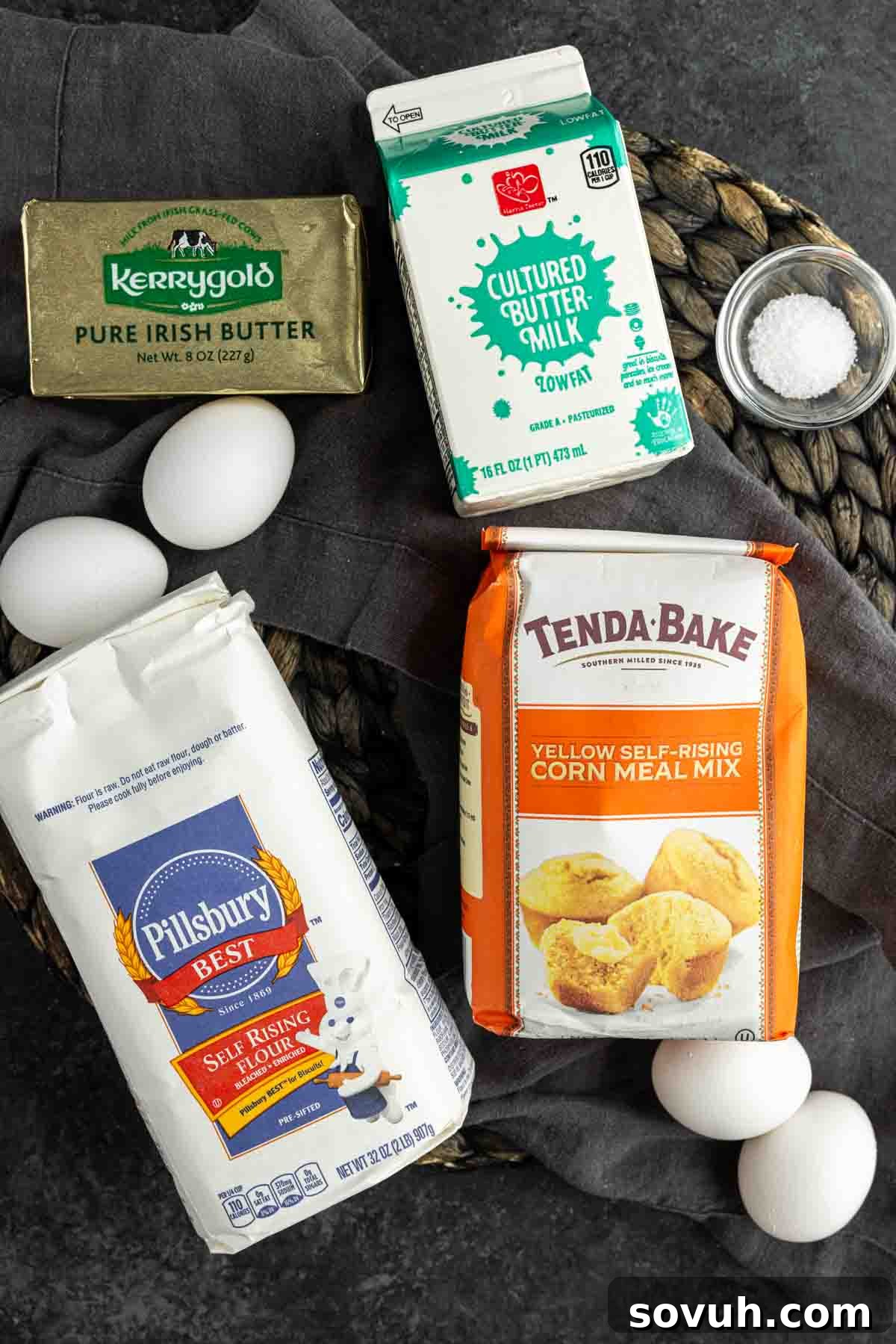
Crafting the perfect Southern cornbread begins with selecting the right ingredients. Each component plays a vital role in achieving that distinct savory flavor and tender, yet crumbly, texture. Here’s a closer look at what you’ll need and why:
- Self-Rising Yellow Cornmeal: This is the star of the show. I prefer yellow cornmeal for its vibrant color and slightly richer flavor, but white cornmeal works beautifully too, especially if you’re aiming for a more traditional look for some Southern dishes. The “self-rising” aspect is crucial here, as it contains leavening agents (baking powder and often salt) already mixed in, ensuring your cornbread achieves a lovely rise without extra steps. If you have leftover self-rising cornmeal, consider making these incredibly delicious Southern Hushpuppies!
- Self-Rising Flour: While cornmeal dominates, a small amount of self-rising flour adds structure and helps create a lighter, more tender crumb. Just like with the cornmeal, using self-rising flour is key to getting the desired texture and rise. Avoid using all-purpose flour unless you adjust with additional leavening.
- Salt: A touch of salt is essential to enhance and balance the natural flavors of the cornmeal and buttermilk. It ensures the cornbread isn’t bland and truly brings out its savory character.
- Buttermilk: This tangy dairy product is non-negotiable for authentic Southern cornbread. Its acidity reacts with the leavening agents in the self-rising flours, contributing to the cornbread’s rise and yielding a uniquely moist, tender crumb with a subtle tangy depth. While regular milk can be substituted in a pinch, the flavor and texture will not be quite the same. For a homemade buttermilk substitute, you can add 1 tablespoon of white vinegar or lemon juice to a measuring cup, then fill the rest with regular milk until it reaches 1.5 cups. Let it sit for 5-10 minutes until it slightly curdles.
- Large Eggs: Eggs act as a binder, holding the batter together, and also contribute to the bread’s structure and a slightly lighter texture. They add richness and help the cornbread become less crumbly.
- Vegetable Oil: This is the primary fat source in our recipe and plays a critical role in moisture and tenderness. Don’t skip it! It ensures the cornbread remains moist and prevents it from becoming too dry. For an extra layer of classic Southern flavor, you can substitute a portion of the vegetable oil with melted bacon grease. This traditional Southern trick adds an incredible depth of savory taste.
Quick Tip: If you only have plain cornmeal and all-purpose flour on hand, don’t worry! You can easily convert them. For every cup of plain cornmeal, add 1.5 teaspoons of baking powder and 1/2 teaspoon of salt. For every cup of all-purpose flour, add 1.5 teaspoons of baking powder and 1/4 teaspoon of salt. Adjust these ratios based on the total amounts required in the recipe to achieve similar results to self-rising varieties.
Baking Perfect Southern Cornbread: Step-by-Step Instructions
Creating delicious, savory Southern cornbread is a straightforward process that yields incredibly satisfying results. Follow these simple steps for a golden, tender, and flavorful batch every time. The key is to avoid overmixing and to ensure your oven and pan are properly preheated.
- Preheat Your Oven: Begin by preheating your oven to a hot 400 degrees Fahrenheit (200 degrees Celsius). A hot oven is essential for quick rising and a beautifully crisp crust. If using a cast iron skillet, place it in the oven during preheating to get it piping hot.
- Combine Dry Ingredients: In a large mixing bowl, combine the self-rising yellow cornmeal, self-rising flour, and salt. Whisk these dry ingredients together thoroughly. This ensures the leavening agents and salt are evenly distributed throughout the mixture, leading to a consistent rise and flavor in your cornbread.
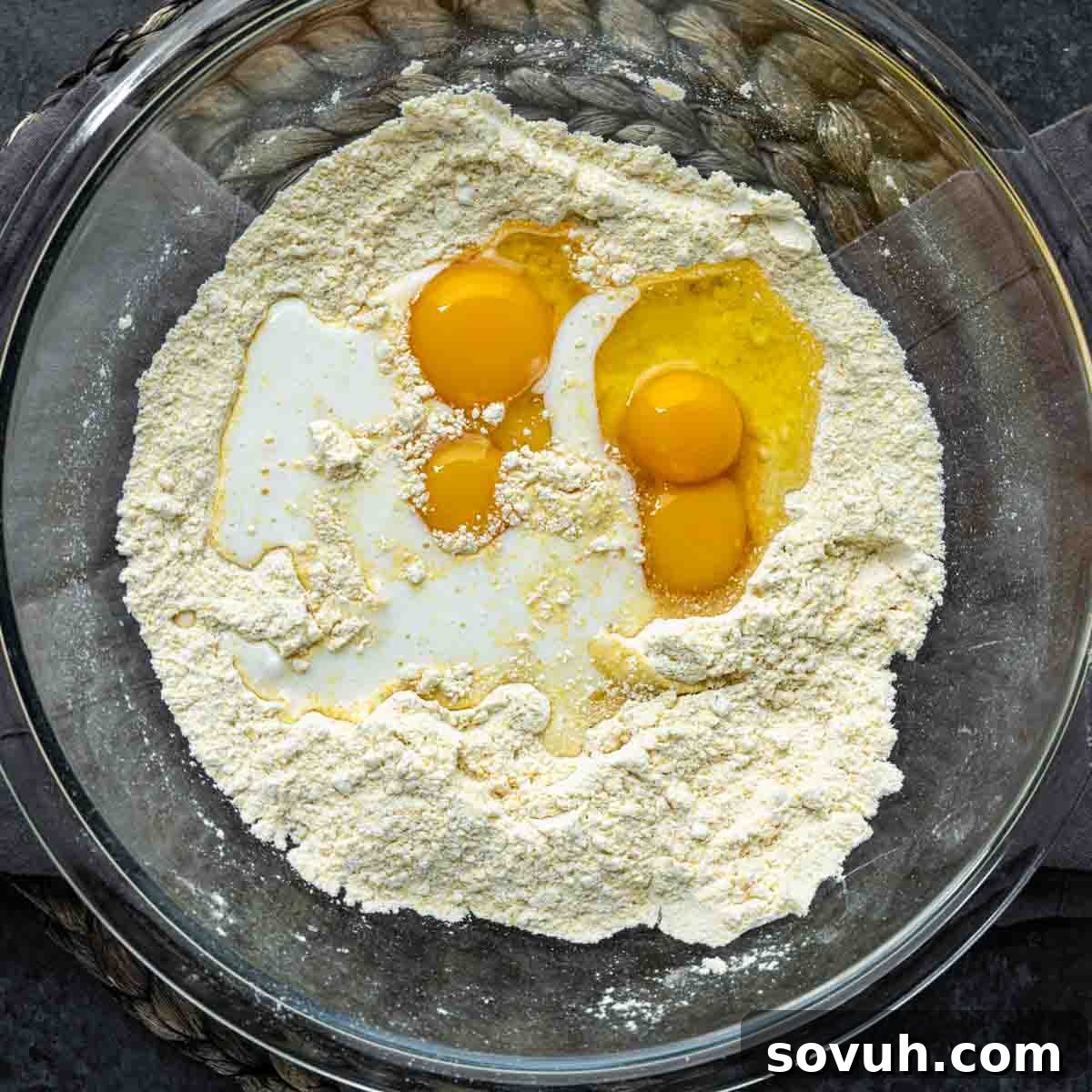
- Add Wet Ingredients: To the dry mixture, add the buttermilk, eggs, and vegetable oil (or melted bacon grease, if using). Stir gently with a spoon or spatula until just combined. It’s crucial not to overmix the batter; a few small lumps are perfectly fine. Overmixing can develop the gluten in the flour too much, resulting in tough cornbread.
- Prepare Your Baking Dish: Generously grease your chosen baking vessel – whether it’s a muffin tin, a baking pan, or a cast iron skillet. For muffin tins, fill each cup about three-quarters full with the batter. If using a skillet or pan, pour the batter evenly into the hot, greased pan. The sizzle you hear when pouring batter into a hot cast iron skillet is the secret to an incredibly crispy bottom crust.
- Bake to Perfection: Carefully place your cornbread into the preheated oven. Bake at 400 degrees Fahrenheit (200 degrees Celsius) for approximately 20 minutes. Baking time may vary slightly depending on your oven and the size of your pan. The cornbread is ready when the edges are golden brown and a toothpick inserted into the center (or into a muffin) comes out clean.
- Serve Warm with Butter: Once baked, remove the cornbread from the oven. Allow it to cool for a few minutes in the pan before serving. This allows it to set slightly. Serve your savory Southern cornbread warm, ideally slathered with a generous pat of good quality salted butter. The contrast of the warm bread with melting butter is pure bliss.
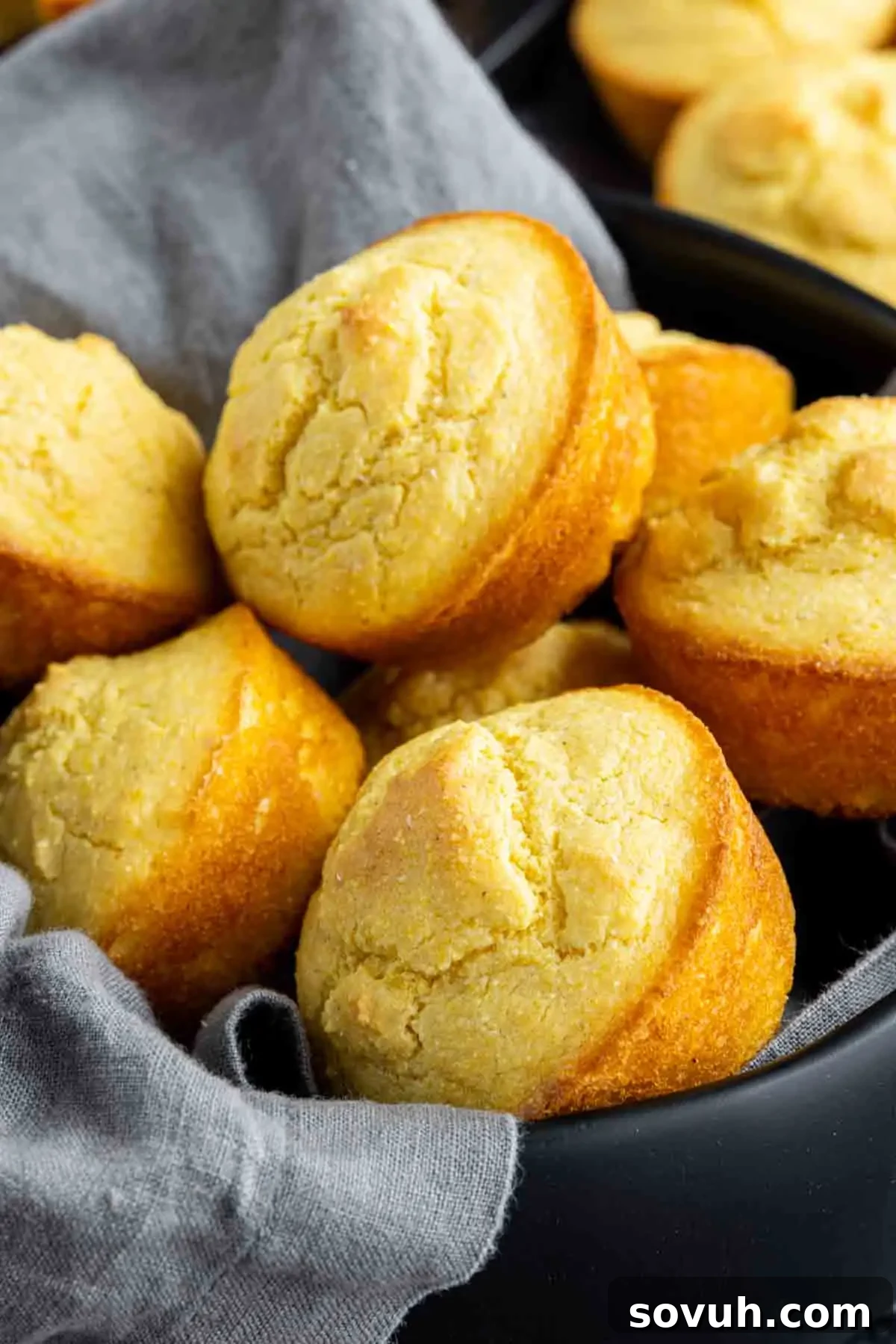
Baking Dish Alternatives and Tips: While I particularly love cooking my cornbread in a muffin pan for those irresistible golden-brown outer edges and individual portions, you have several excellent alternatives. A traditional 10-inch cast iron skillet will yield a wonderfully crisp crust, while an 11×7 inch metal baking pan or a 9-inch metal cake pan also work well. Regardless of your choice, the baking time should remain around 20 minutes at 400°F. Always confirm doneness by inserting a toothpick – it should come out clean.
What to Serve with Your Savory Southern Cornbread
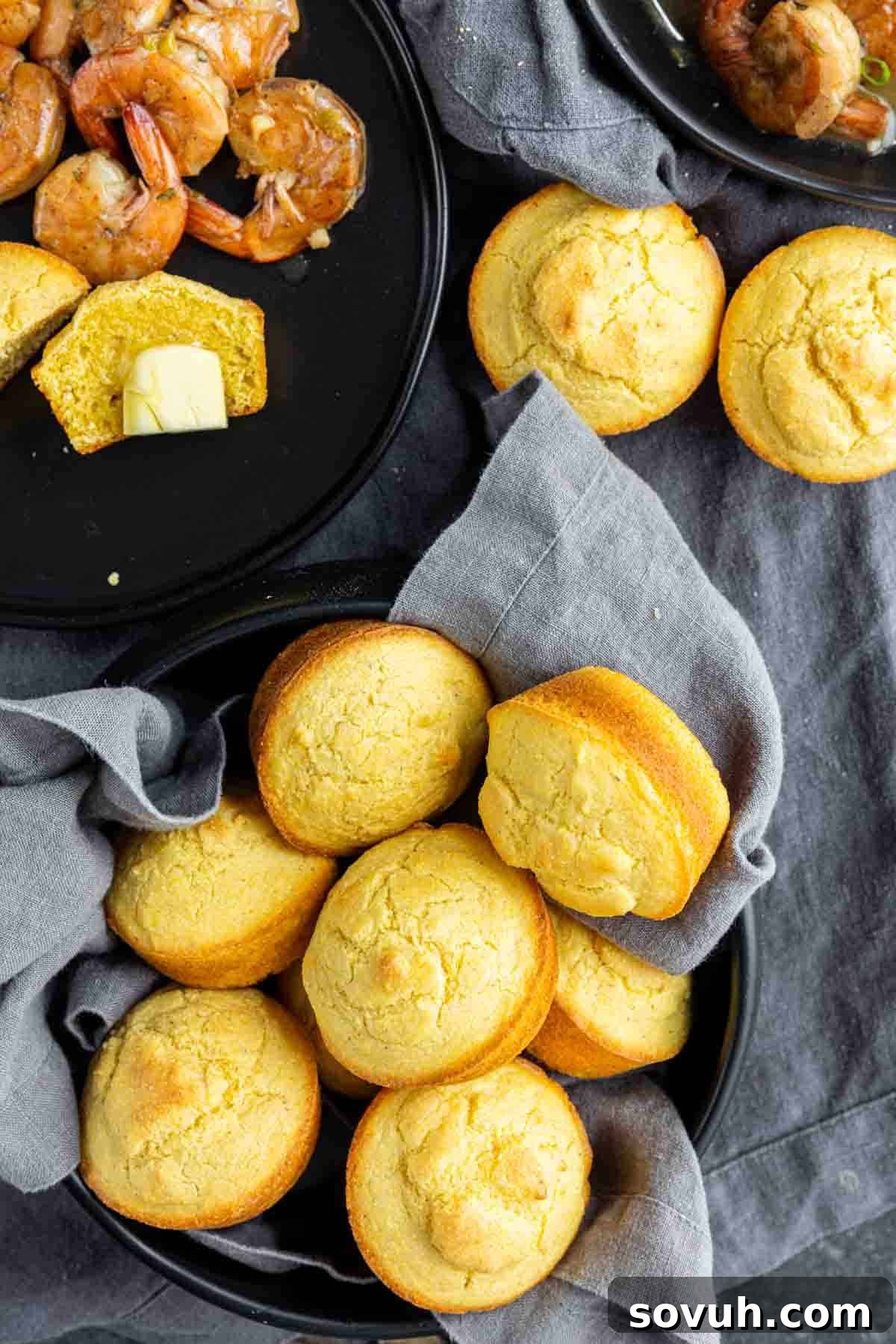
Southern cornbread, with its robust and inherently drier texture, is a master of accompaniment. It’s not meant to be eaten plain but rather as a partner to richer, saucier dishes. As soon as your cornbread emerges from the oven, let it cool just enough to handle safely. Then, grab some creamy, salted butter – a Southern essential – slice a warm muffin or wedge in half, and slather it generously. The melting butter provides the perfect counterpoint to the cornbread’s texture and deepens its flavor.
This humble, yet incredibly versatile, bread truly shines alongside hearty, salty soups and stews. Imagine it next to a comforting bowl of split pea soup, our warming Instant Pot Navy Bean Soup, or a bubbling pot of game-day chili. Many Southerners enjoy crumbling a piece of cornbread directly into their bowl, letting it soak up the delicious broth or sauce, creating a delightful textural and flavor experience with every spoonful.
But the pairings don’t stop there. Cornbread is an indispensable component of any classic Southern BBQ spread. It perfectly complements rich, smoky meats and acidic side dishes. Serve it proudly alongside classic baked beans, a refreshing homemade coleslaw, and tender collard greens. It’s an ideal partner for savory St. Louis-style Ribs, fall-off-the-bone slow cooker BBQ pulled pork, succulent BBQ pulled chicken, or even spicy New Orleans BBQ shrimp. Don’t forget it’s also excellent with fried chicken, black-eyed peas, or any stewed vegetable. Its ability to soak up rich flavors makes it the ultimate side dish for a wide array of Southern comfort foods.
Tips for the Best Southern Cornbread
- Don’t Overmix: As mentioned, overmixing develops gluten, leading to a tough, dense cornbread instead of a light, tender crumb. Mix just until the wet and dry ingredients are combined.
- Hot Pan is Key: Whether you’re using a cast iron skillet or a muffin tin, a super hot, greased pan creates that desirable crispy crust characteristic of great Southern cornbread. Place your empty, greased pan in the oven while it preheats.
- Use Buttermilk: For authentic flavor and proper leavening (especially with self-rising ingredients), buttermilk is crucial. Don’t skimp on it, or make a quick DIY version if you’re out.
- Don’t Skimp on Fat: The oil (or bacon grease) adds essential moisture and flavor. It’s what prevents your cornbread from being too dry and crumbly.
- Taste Your Cornmeal: Different brands of self-rising cornmeal can vary slightly in their salt content. Taste your cornmeal mix first, and adjust the added salt if necessary to suit your preference.
- Add-ins for Variation: While this recipe is for classic savory cornbread, feel free to experiment with savory add-ins. Try incorporating finely diced jalapeños, shredded cheddar cheese, a handful of fresh or frozen corn kernels, or even cooked and crumbled bacon for extra flavor.
Storing and Reheating Cornbread
Freshly baked cornbread is always best, but if you have leftovers, they can be stored and reheated to enjoy later. Store any uneaten cornbread in an airtight container at room temperature for up to 2-3 days, or in the refrigerator for up to a week. To reheat, you can warm individual pieces in a microwave for 15-30 seconds, or for a crispier exterior, place them on a baking sheet in a 300°F (150°C) oven for about 10-15 minutes, or until heated through.
Embrace the Southern Tradition
This savory Southern cornbread recipe is more than just a collection of ingredients; it’s a celebration of heritage, comfort, and the simple pleasures of good food shared. Free from sugar, it proudly stands as a versatile companion to countless Southern staples, ready to soak up the richness of a stew or provide a satisfying textural contrast to your favorite BBQ. So go ahead, whip up a batch, and experience the true, unadulterated flavor of an authentic Southern classic.
Love this authentic recipe?
Make sure to follow us on Instagram and Pinterest for more delightful recipes and home inspiration!
Southern Cornbread Recipe
This classic Southern Cornbread recipe is made with no added sugar for a delicious savory cornbread that goes perfectly with a big bowl of chili!
Print Recipe
Ingredients
- 2 cups Self-rising yellow cornmeal
- 1 cup Self-rising flour
- ½ teaspoon Salt
- 1.5 cups Buttermilk
- 4 large Eggs
- 4 tablespoons Vegetable oil
Instructions
- Preheat oven to 400 degrees F.
- In a bowl combine self-rising yellow cornmeal, self-rising flour, and salt. Whisk together to make sure the mixture is well combined.
- Add milk, eggs, and vegetable oil to the flour and stir to combine.
- Spoon the batter into a greased muffin tin filling each cup 3/4 full.
- Place in the oven and bake at 400 degrees F. for 20 minutes or until a toothpick inserted into a muffin comes out clean.
- Serve warm with butter.
Nutrition Facts (Estimated per serving)
- Serving Size: 1 piece
- Calories: 222 kcal
- Carbohydrates: 28 g
- Protein: 7 g
- Fat: 9 g
- Saturated Fat: 2 g
- Polyunsaturated Fat: 4 g
- Monounsaturated Fat: 2 g
- Trans Fat: 0.04 g
- Cholesterol: 65 mg
- Sodium: 153 mg
- Potassium: 159 mg
- Fiber: 3 g
- Sugar: 2 g
- Vitamin A: 140 IU
- Calcium: 47 mg
- Iron: 1 mg
Nutrition Disclaimer: We are not certified nutritionists. Nutrition facts are an estimate and are provided as a courtesy. They are generated by an online API which recognizes ingredient names and amounts and makes calculations based on the serving size. Results may vary.
