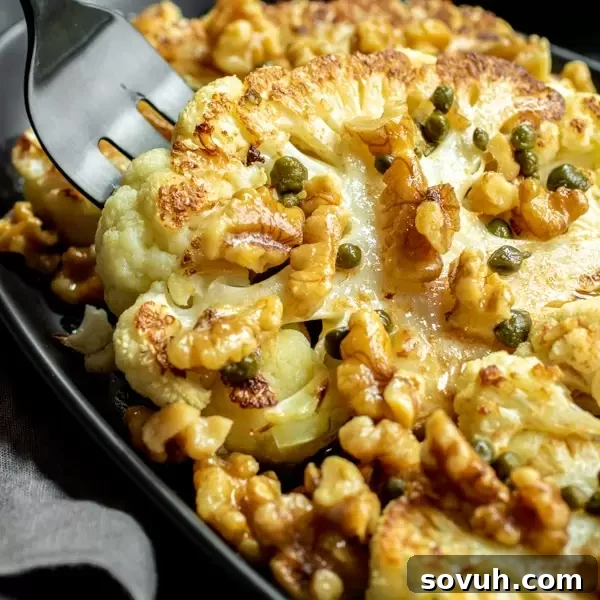
Elevate Your Plate: Exquisite Roasted Cauliflower Steaks with Brown Butter, Walnuts, Capers & Lemon
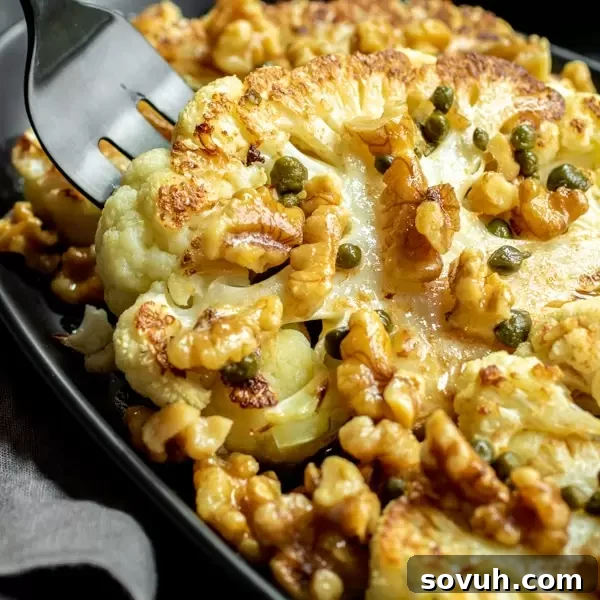
Discover the Delicious Simplicity of Roasted Cauliflower Steaks with Brown Butter
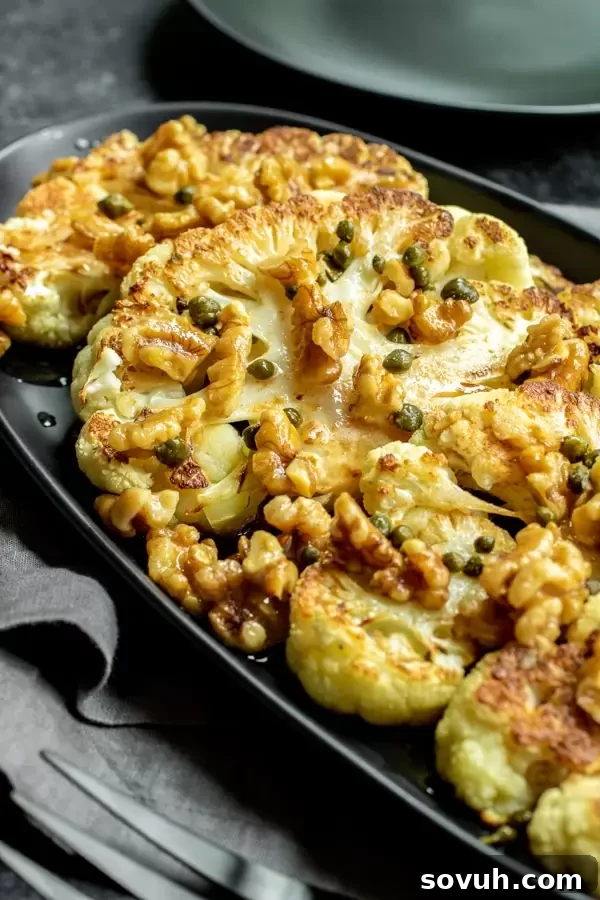
Are you searching for a dish that effortlessly combines elegance with ease, and health with hearty flavor? Look no further than these spectacular **Roasted Cauliflower Steaks with Brown Butter**. This recipe transforms humble cauliflower into a star, offering a satisfying, low-carb, and keto-friendly meal or an unforgettable side dish for any occasion. Whether you’re planning an elaborate holiday feast like Thanksgiving or seeking a quick and nutritious weeknight dinner, this dish promises to impress with its rich, nutty brown butter, vibrant capers, crunchy walnuts, and a bright burst of fresh lemon.
Cauliflower, often overlooked, reveals its true potential when sliced into substantial “steaks” and roasted to perfection. The high heat of the oven coaxes out its natural sweetness, creating beautifully caramelized edges and a tender, melt-in-your-mouth interior. This transformation makes it a fantastic canvas for the complex flavors of brown butter, which adds a depth that is both comforting and sophisticated. Paired with the salty pop of capers, the earthy crunch of walnuts, and the zesty finish of lemon, each bite is a symphony of textures and tastes that will delight even the most discerning palates. It’s a testament to how simple, wholesome ingredients can come together to create something truly extraordinary.
A Perfect Fit for Various Dietary Needs
Beyond its incredible flavor, this **Roasted Cauliflower Steaks recipe** is a culinary chameleon, fitting seamlessly into several popular dietary lifestyles. It’s naturally **low carb** and **keto-friendly**, making it an excellent choice for those managing their carbohydrate intake without sacrificing a rich and satisfying culinary experience. As a wholly **vegetarian** dish, it offers a robust and satisfying plant-based option for meatless Mondays, or as a substantial and flavorful main course for anyone following a plant-focused diet. Furthermore, its elegant presentation makes it an ideal **Thanksgiving side dish** or a festive addition to any holiday table, ensuring everyone at your gathering has a delectable option that caters to diverse tastes and dietary requirements. This dish truly proves that healthy eating can be both easy and incredibly delicious.
Note: This post may contain affiliate links. That means if you click on a link and make a purchase we may receive a small commission. Thank you!
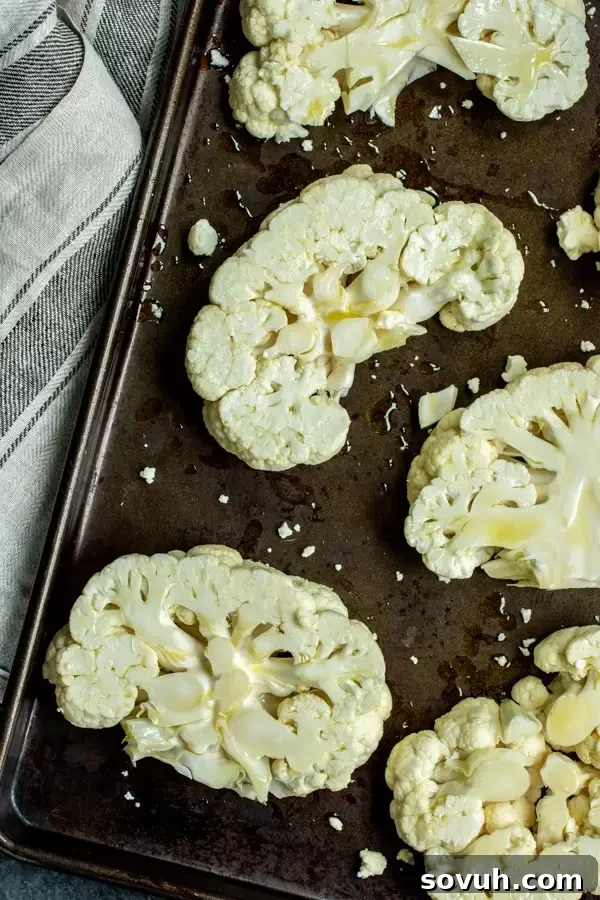
Mastering the Cauliflower Steak: Slicing and Roasting Perfection
How to Prepare Cauliflower Steaks for Optimal Results
The secret to perfect **cauliflower steaks** begins with selecting the right head of cauliflower and slicing it correctly. Aim for the largest, firmest head of cauliflower you can find. A larger head yields more substantial “steaks” that hold together better during roasting, providing a more impressive and satisfying result. Start by removing all the outer leaves, peeling them back to expose the crisp, white florets. Then, carefully trim the stem close to the base, but here’s the crucial step: do not core the cauliflower! The central core is what binds the florets together, ensuring your cauliflower holds its steak-like shape. Without it, your beautiful slices will likely crumble into individual florets, which, while still delicious, won’t offer the same impressive presentation or hearty texture. Keeping the core intact is fundamental for maintaining structural integrity.
Once prepped, place the cauliflower on a sturdy cutting board, stem-side down. Using a large, sharp chef’s knife, slice the cauliflower into approximately 1-inch thick pieces. You’ll typically get 2-4 good, solid “steaks” from the very center of a large head. Don’t worry if the end pieces or outer sections consist of looser florets that fall apart a little; they are still perfectly usable! Don’t discard them; simply place these smaller pieces on the baking sheet alongside the main cauliflower steaks. They’ll roast up beautifully, becoming wonderfully crunchy and flavorful, and can be enjoyed as delightful little bits or mixed in with the main steaks to add variety in texture.
Achieving Perfectly Roasted Cauliflower: Temperature and Time
Roasting is the culinary magic that transforms raw, firm cauliflower into a tender, sweet, and nutty delight. For optimal caramelization and tenderness, a hot oven is absolutely key. Preheat your oven to a robust 425 degrees Fahrenheit (220 degrees Celsius). This high temperature is essential as it ensures a beautiful golden-brown, slightly charred exterior and a tender, cooked-through interior without overcooking the vegetable. Arrange your cauliflower steaks and any accompanying stray florets in a single layer on a sturdy baking sheet. Drizzle them generously with good quality olive oil and season simply with salt and freshly ground black pepper. It’s important to avoid overcrowding the pan, as this can cause the cauliflower to steam rather than roast, preventing that coveted deep caramelization that brings out its best flavor.
Cauliflower steaks typically require about 20-25 minutes to roast. For even browning and to ensure both sides develop that delicious crust, make sure to flip the steaks halfway through the cooking time, around the 10-12 minute mark. Look for deeply golden-brown spots and tender flesh when pierced gently with a fork. The slightly charred edges are where much of the complex, savory flavor develops, so don’t be shy about letting them get a good tan!
Cauliflower Florets vs. Steaks: Your Choice for Deliciousness
While the aesthetic and substantial nature of **cauliflower steaks** offer an undeniably elegant presentation, don’t feel limited if you prefer a more traditional approach or are looking for a quicker prep time. If slicing into perfect steaks feels daunting, or if you simply prefer smaller, more bite-sized pieces, you can absolutely core your cauliflower and cut it into individual florets. For the best roasting results with florets, I highly recommend cutting each floret in half, creating a flat surface. This flat side allows for maximum contact with the hot baking sheet, which is crucial for promoting superior caramelization and achieving that desirable tender-crisp texture. Toss them with olive oil, salt, and pepper just as you would the steaks, and then follow the same roasting instructions. The result will be equally delicious and flavorful, just in a different, equally enjoyable format, offering versatility in your culinary endeavors.

The Golden Elixir: Understanding and Making Brown Butter
What Exactly is Brown Butter (Beurre Noisette)?
**Brown butter**, famously known in French as beurre noisette (meaning “hazelnut butter”), is a culinary marvel that elevates simple butter into something truly extraordinary. It’s essentially butter that has been gently cooked over medium heat until the milk solids naturally present within it separate and undergo a process of caramelization. As the butter melts and continues to cook, it undergoes a magical transformation. The water content evaporates, the butterfat clarifies, and those precious milk solids toast to a beautiful golden-brown color, gently sinking to the bottom of the pan. This meticulous process imbues the butter with a deeply rich, intensely nutty, and subtly sweet flavor reminiscent of toasted hazelnuts, adding an unparalleled depth and complexity to both sweet and savory dishes. It’s a foundational technique for many gourmet recipes.
A Step-by-Step Guide to Perfect Brown Butter
Making **brown butter** is a simple process, but it requires a little attention and observation to achieve that perfect nutty flavor without accidentally burning it. Here’s a precise, step-by-step guide to mastering this essential technique:
- **Choose Your Pan Wisely:** Start by selecting a light-colored pan, such as a stainless steel skillet. The lighter color of the pan’s interior is crucial because it allows you to easily monitor the subtle yet significant color changes as the butter browns. A dark pan can make it incredibly difficult to discern these shifts in hue, leading to potential overcooking.
- **Melt the Butter Gently:** Place your desired amount of butter into the chosen pan over medium heat. Allow the butter to melt completely and evenly. As it begins to heat, it will start to foam vigorously due to the evaporation of its water content.
- **Observe the Transformation:** Continue to cook the butter, stirring it occasionally with a whisk or a heatproof spatula. You’ll notice that the foaming will gradually subside, and the butter will clarify, becoming translucent. Soon after, tiny, pale specks will begin to form and settle at the bottom of the pan – these are the milk solids starting their browning journey.
- **Brown and Release Aroma:** Keep a very close eye on these milk solids. They will progressively turn from white to golden, then to a beautiful amber or a deep golden-brown. Concurrently, the butter itself will take on a rich, golden color, and you’ll begin to smell a distinct, wonderfully nutty aroma, much like freshly toasted hazelnuts. This is the moment you’re aiming for.
- **Remove from Heat Immediately:** The instant you achieve that perfect deep golden color and robust nutty fragrance, immediately remove the pan from the heat. The residual heat in the pan is significant and can quickly take the butter from perfectly browned to unfortunately burned, resulting in a bitter taste. Swift action is key here.
- **To Strain or Not to Strain:** Carefully pour the finished brown butter, solids and all, into a heatproof bowl. At this stage, you have a choice: some chefs prefer to strain the brown butter through a fine-mesh sieve to remove the browned milk solids, resulting in a clearer, smoother butter. However, many (and myself included!) find that these perfectly toasted bits add an incredible depth of flavor and a delightful textural element, so I often skip this straining step to retain all that goodness. I encourage you to experiment and see which preference aligns best with your taste!
Brown butter is truly a culinary game-changer, effortlessly transforming ordinary dishes into gourmet experiences. Its versatility is immense, from drizzling over vegetables like our cauliflower steaks to enriching delicate sauces, enhancing baked goods, and even elevating simple pasta dishes.
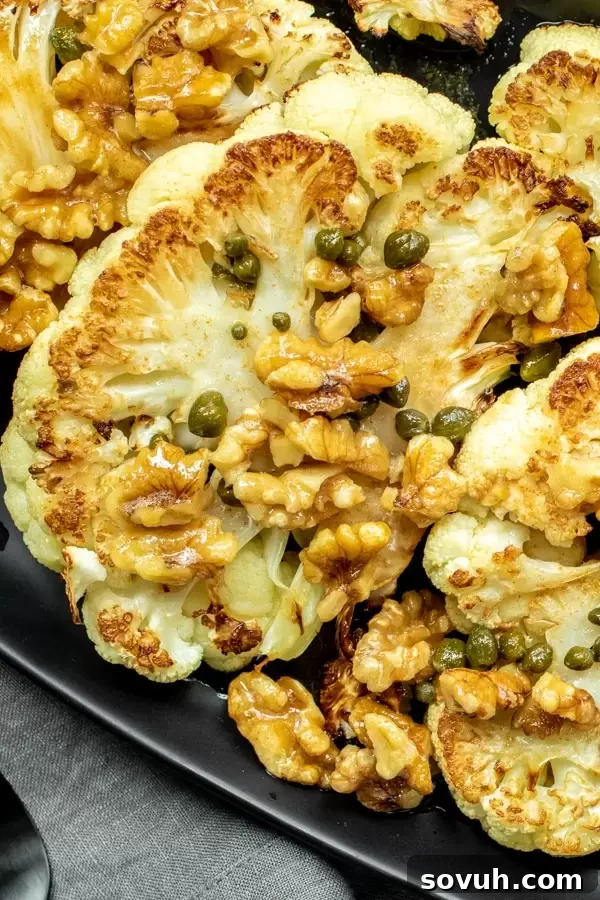
The Harmonious Trio: Toasted Walnuts, Salty Capers, and Zesty Lemon
What truly elevates these **Roasted Cauliflower Steaks** from simply delicious to absolutely extraordinary is the exquisite combination of perfectly toasted walnuts, briny capers, and a vibrant squeeze of fresh lemon. Each component plays a crucial and distinct role in creating a balanced, multi-dimensional flavor profile that perfectly complements the rich, caramelized cauliflower and the luxurious, nutty brown butter.
As the roasted cauliflower nears completion in the oven, signifying its readiness for serving, it’s the opportune moment to bring these additional elements together. In the same pan you used to brown the butter (or a separate small skillet if you prefer), gently toast the walnuts over medium heat for a few minutes. This brief yet essential toasting step is critical for unlocking their full earthy flavor and enhancing their natural crunch, adding a delightful textural contrast to the tender, soft cauliflower. Once the walnuts are lightly golden and emit a fragrant, toasted aroma, stir in the capers. The capers, with their distinct briny, salty, and slightly tangy flavor, act as a wonderful counterpoint. They cut through the richness of the butter, preventing the dish from feeling too heavy and adding a much-needed burst of piquant freshness that awakens the palate.
Finally, just before serving, generously spoon this incredible brown butter mixture, now beautifully studded with toasted walnuts and savory capers, over each roasted cauliflower steak. The grand finale, a truly essential step, is a liberal squeeze of fresh lemon juice over the entire dish. The bright, sharp acidity of the lemon acts as a perfect counterpoint to the richness, awakening all the flavors, brightening the overall profile, and adding a final flourish of zest and refreshing aroma. This thoughtful combination isn’t just “amazing” – it’s a testament to how carefully chosen complementary ingredients can transform a simple roasted vegetable into a truly gourmet and memorable culinary experience.
Serving Suggestions & Why You’ll Love This Recipe
This **easy roasted cauliflower recipe** is remarkably versatile, making it a valuable addition to any cook’s repertoire. Its inherent **low carb**, **KETO**, and **vegetarian** nature makes it an inclusive option for various dietary needs, perfect for large gatherings where you need to cater to diverse preferences, or for intimate family dinners where wholesome, flavorful food is paramount. As a sophisticated and flavorful **Thanksgiving side dish** or a festive accompaniment for Christmas, it stands out with its elegant presentation and rich, comforting flavors. Beyond the holidays, it makes a fantastic **main course** for a light yet incredibly satisfying meal, especially when paired with a fresh green salad. Alternatively, it serves as a vibrant and hearty side dish to complement grilled chicken, baked fish, or other lean protein sources, elevating any meal from ordinary to extraordinary. The thoughtfully balanced combination of textures and flavors ensures it never feels like “just vegetables” but rather a complete and satisfying culinary experience.
You’ll quickly fall in love with this recipe because it masterfully proves that healthy eating absolutely doesn’t mean sacrificing flavor or excitement in your meals. It’s incredibly easy to prepare, requiring minimal active cooking time, yet tastes and looks like something straight out of a high-end restaurant. The concise ingredient list, coupled with simple, straightforward cooking techniques, means you can effortlessly whip this up even on your busiest weeknights. Embrace the delightful blend of tender, sweet, and caramelized cauliflower with the luxurious, nutty depth of brown butter, the savory crunch of toasted walnuts, the tangy pop of briny capers, and the refreshing, zesty brightness of fresh lemon. It’s truly a testament to how simple, honest ingredients can come together to create an extraordinary taste sensation that you’ll want to make again and again!
Explore More Culinary Delights with Brown Butter
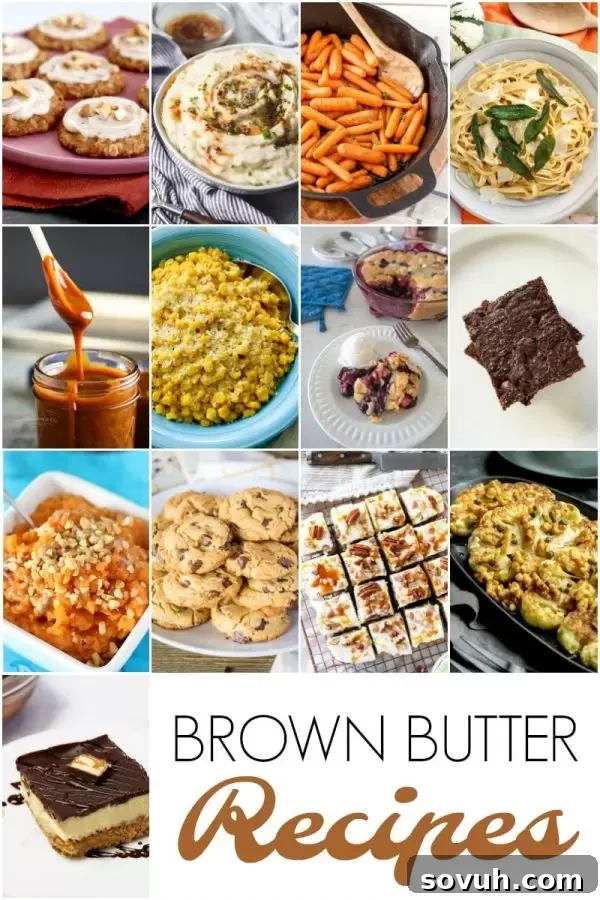
If you’ve been captivated by the rich, nutty aroma and complex flavor of **brown butter** in this roasted cauliflower steak recipe, you’ve only just scratched the surface of its incredible potential! Brown butter is an incredibly versatile and transformative ingredient that can elevate both sweet and savory dishes to unparalleled heights. Its unique depth adds a layer of sophistication and warmth that’s difficult to replicate with anything else. Don’t stop at cauliflower; let the magic of brown butter inspire your next culinary adventure. Here are some more amazing recipes that harness the irresistible charm of brown butter, sure to become new favorites in your kitchen:
- Brown Butter Chocolate Chip Cookies – A beloved classic cookie reimagined with an irresistible depth of flavor.
- Cashew Cookies with Brown Butter Frosting – Delightful nutty cookies crowned with an even nuttier, richer brown butter frosting.
- Mashed Sweet Potatoes with Brown Butter – A comforting and elegant side dish, perfect for holiday gatherings and special meals.
- Butter Pecan Blondies with Brown Butter – Chewy, buttery blondies bursting with crunchy pecan flavor, wonderfully enhanced by brown butter.
- Garlic Brown Butter Mashed Potatoes – The ultimate indulgent side dish, combining aromatic garlic with the luxurious richness of browned butter.
- Apple Blueberry Bliss – A delightful fruit dessert that becomes even more extraordinary with a subtle touch of brown butter.
- Snickers Cheesecake Bars with Brown Butter – A truly decadent dessert marrying the beloved flavors of a Snickers candy bar with creamy cheesecake and nutty brown butter.
- Brown Butter Parmesan Corn – A savory corn dish with the irresistible richness of browned butter and a sharp, salty parmesan finish.
- Brown Butter Pumpkin Alfredo Sauce – A unique and incredibly flavorful pasta sauce, absolutely perfect for autumn evenings.
- Brown Butter Carrots – Simple glazed carrots elevated to gourmet status by the nutty, complex essence of brown butter.
- Dark Chocolate Brown Butter Brownies – Rich, fudgy brownies with an added layer of sophisticated complexity from browned butter.
- Browned Butter Salted Caramel Sauce – A luxurious, homemade caramel sauce, utterly perfect for drizzling over desserts, ice cream, or enjoying by the spoonful.
Roasted Cauliflower Steaks with Brown Butter Recipe
Like this recipe? Pin it to your Low Carb board!
Follow Home. Made. Interest. on Pinterest
Roasted Cauliflower with Brown Butter
Roasted Cauliflower Steaks with Brown Butter are a low carb dinner recipe made with roasted cauliflower, nutty brown butter, toasted walnuts, salty capers, and a bright squeeze of fresh lemon.
Servings: 8
Prep Time: 10 mins
Cook Time: 20 mins
Total Time: 30 mins
Created By: Kat Jeter & Melinda Machado
Course: Main | Cuisine: American

Ingredients
- 2 large heads Cauliflower
- ¼ cup Olive Oil
- ½ teaspoon Salt
- ½ cup (1 stick) Butter, salted
- 4 tablespoons Capers, drained
- ½ cup Walnuts, roughly chopped
- 1 Lemon, for juicing
Instructions
- Preheat oven to 425 degrees F (220 degrees C).
- Prepare the cauliflower: Remove outer leaves from the cauliflower. Place cauliflower stem-side down on a cutting board. Using a sharp knife, slice the cauliflower into 1-inch thick “steaks”. Any florets that break off can be roasted alongside the steaks.
- Roast the cauliflower: Brush both sides of the cauliflower steaks (and any loose florets) generously with olive oil and place them in a single layer on a large baking sheet. For best caramelization and crispy edges, avoid using parchment paper or a silicone baking mat directly under the cauliflower if possible.
- Season and bake: Sprinkle the cauliflower with salt. Place the baking sheet in the preheated oven and bake for approximately 10 minutes, or until the cauliflower begins to develop a nice golden-brown color on the underside.
- Flip and continue baking: Carefully flip the cauliflower steaks and continue to bake for another 10-15 minutes, or until both sides are tender and deeply golden-brown with slightly charred edges.
- Make the browned butter: While the cauliflower bakes, add the ½ cup of salted butter to a light-colored pan over medium heat. Allow the butter to melt completely, then continue to cook, stirring occasionally. The butter will foam, then the milk solids will begin to separate and turn golden-brown, eventually taking on a nutty aroma and a deep golden color. Immediately remove from heat. You can pour the brown butter into a bowl as is, or strain it through a fine-mesh sieve to remove the browned bits if preferred.
- Toast walnuts and warm capers: In a small skillet (you can clean and reuse the butter pan or use a new one) over medium heat, lightly toast the chopped walnuts for 2-3 minutes until fragrant. Add the drained capers to the skillet and warm them for about 1 minute.
- Combine and serve: Pour the prepared brown butter back into the skillet with the toasted walnuts and warm capers, gently mixing them together. Once the roasted cauliflower is out of the oven, arrange it on serving plates. Spoon the warm brown butter, capers, and walnuts mixture generously over each cauliflower steak.
- Garnish with lemon: Squeeze fresh lemon juice over the entire dish just before serving to add a bright, zesty finish that perfectly balances the rich flavors. Enjoy immediately!
Nutrition (Estimated Per Serving)
- Calories: 249kcal
- Carbohydrates: 9g
- Protein: 4g
- Fat: 23g
- Saturated Fat: 8g
- Cholesterol: 30mg
- Sodium: 401mg
- Potassium: 480mg
- Fiber: 3g
- Sugar: 3g
- Vitamin A: 355IU
- Vitamin C: 76.6mg
- Calcium: 47mg
- Iron: 1mg
Nutrition Disclaimer: We are not certified nutritionists. Nutrition facts are an estimate and are provided as a courtesy. They are generated by an online API which recognizes ingredient names and amounts and makes calculations based on the serving size. Results may vary. Please consult a qualified health professional for personalized nutrition advice.