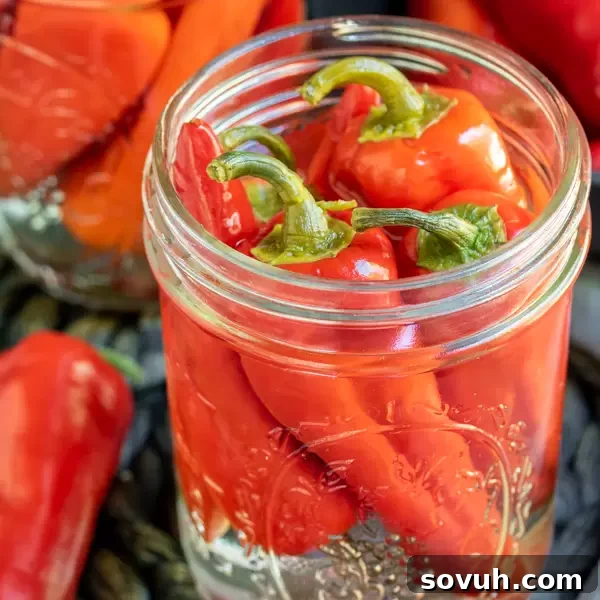
Authentic Southern Hot Pepper Sauce: Crafting Your Own Classic Pepper Vinegar
There are some culinary traditions so deeply rooted in regional culture that they become more than just recipes; they’re heirlooms, passed down through generations. Southern Hot Pepper Sauce, often affectionately called “pepper vinegar,” is precisely one such treasure. It’s a remarkably simple yet profoundly flavorful condiment that can elevate almost any dish with its vibrant heat and tangy zing. Forget those complex, blended hot sauces for a moment and immerse yourself in the art of making this classic Southern staple. It’s an easy, hands-off process that yields a potent, versatile pepper-infused vinegar, ready to bestow a delightful kick and a burst of savory depth upon your favorite meals.
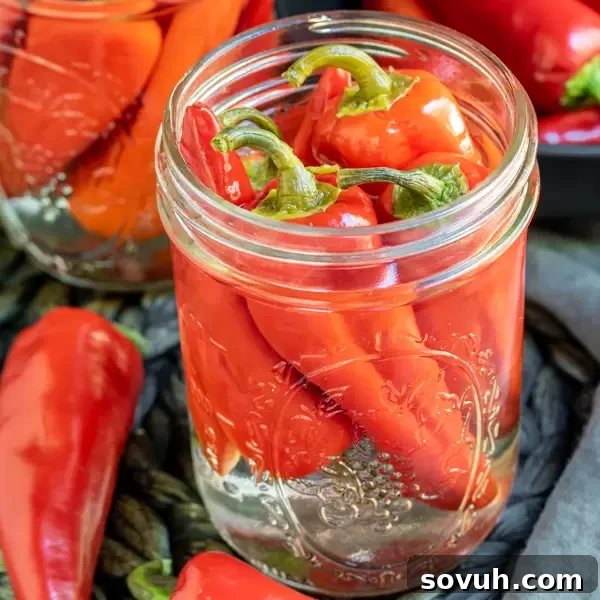
The beauty of this homemade Hot Pepper Sauce lies in its elegant simplicity. Imagine plump, fiery peppers slowly infusing their capsaicin-rich essence into crisp, acidic vinegar over several weeks. The result is not merely a spicy liquid, but a complex flavor enhancer that carries the authentic taste of the South. It’s a testament to the power of time and natural ingredients working in harmony. My own childhood memories are filled with the sight of my grandmother’s pantry, always boasting a jar or two of this precious pepper vinegar, ready to be splashed onto a plate of simmering collard greens or hearty black-eyed peas. It truly transforms humble dishes into culinary experiences worth savoring.
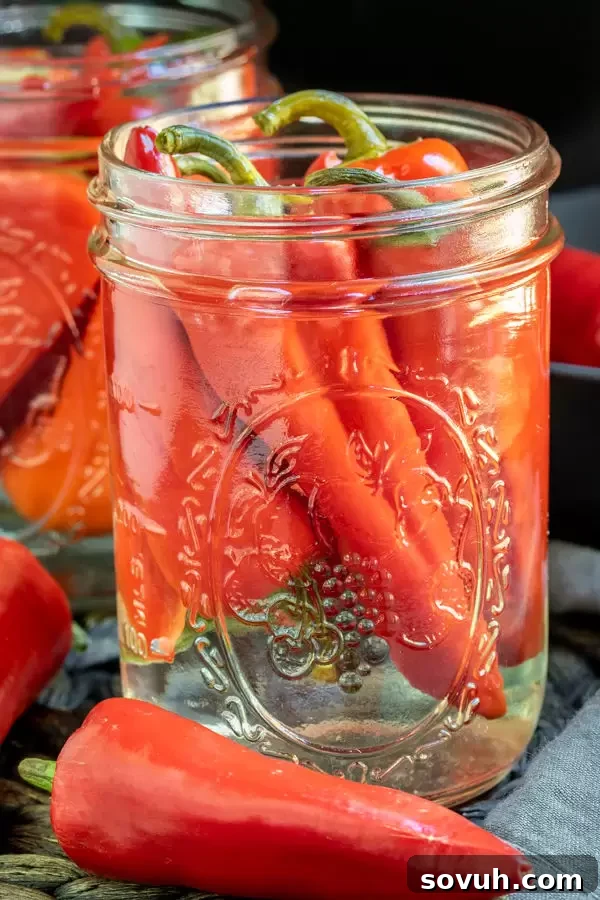
The Essence of Southern Hot Pepper Sauce
What exactly sets Southern Hot Pepper Sauce apart from other chili-based condiments? It’s fundamentally a pepper vinegar, where whole hot peppers are steeped in vinegar, allowing their heat and flavor to slowly permeate the liquid. This contrasts sharply with many commercial hot sauces, which typically involve blending mashed peppers, sometimes fermented, with vinegar and various other spices into a thicker, often emulsified consistency. Our Southern classic is all about the pure, clean infusion, making the vinegar itself the primary vehicle for the pepper’s essence. This method preserves the bright acidity of the vinegar while adding a nuanced, slow-building heat and the fresh, earthy notes of the peppers.
This traditional method creates a condiment that is lighter in texture and boasts a more pronounced vinegary tang, which is why it’s so popular for drizzling over rich, savory dishes without overwhelming them. It provides a bright counterpoint to fatty meats, hearty vegetables, and starchy sides. Its versatility is legendary in Southern kitchens, proving that sometimes, the simplest recipes are the most indispensable.
Key Ingredients for Your Homemade Pepper Vinegar
Crafting your own batch of pepper vinegar requires only a handful of ingredients, but the quality and type of each play a crucial role in the final flavor profile. Let’s dive into what you’ll need and why:
- Hot Peppers: The Heart of the Heat
The choice of peppers is paramount. Traditionally, small, intensely hot peppers like Tabasco peppers are preferred for their ideal size, heat, and distinct flavor profile. If you’re fortunate enough to have access to fresh Tabasco peppers, either from your garden or a local farmer’s market, they are highly recommended for an authentic experience. However, don’t let their rarity deter you! Many other spicy varieties work beautifully. Common alternatives include vibrant jalapeños (offering a milder heat), zesty Fresno chili peppers (known for their moderate heat and fruity notes), fiery Serrano peppers, intense habaneros, or aromatic Thai chili peppers. The key is to select peppers that are fresh, firm, and small enough to fit comfortably into your chosen jars without needing to be chopped too finely. If using larger peppers, a quick slice or two can help them release their flavors more readily. Experiment with different peppers to find your preferred level of heat and unique flavor nuances. - Vinegar: The Tangy Carrier
Plain white distilled vinegar is the traditional and most recommended choice for this recipe. Its neutral flavor profile allows the essence of the peppers to shine through without interference, and its high acidity is crucial for proper preservation and flavor extraction. While other vinegars like apple cider vinegar could technically work and would impart a different character, they would alter the classic taste of Southern pepper vinegar. For your first batch, stick with white vinegar to truly appreciate the traditional flavor. - Salt: The Flavor Enhancer and Extractor
Every great recipe benefits from a touch of salt, and pepper vinegar is no exception. Kosher salt is ideal due to its purity and lack of anti-caking agents that can sometimes cloud the vinegar. The salt doesn’t just season the vinegar; it plays a vital role in drawing out the capsaicin and other flavorful compounds from the peppers, ensuring a robust infusion. It also contributes to the condiment’s remarkable stability and shelf life.
While these three ingredients form the foundation, you can certainly experiment with adding other whole, dried spices to introduce subtle new dimensions. A few whole black peppercorns, a bay leaf, or even a couple of peeled garlic cloves could create an intriguing variation on the classic. Just remember to keep it simple to let the peppers remain the star of the show.
Step-by-Step Guide to Making Pepper Sauce
Making homemade hot pepper sauce is incredibly straightforward, demanding minimal effort for maximum reward. Here’s how to do it:
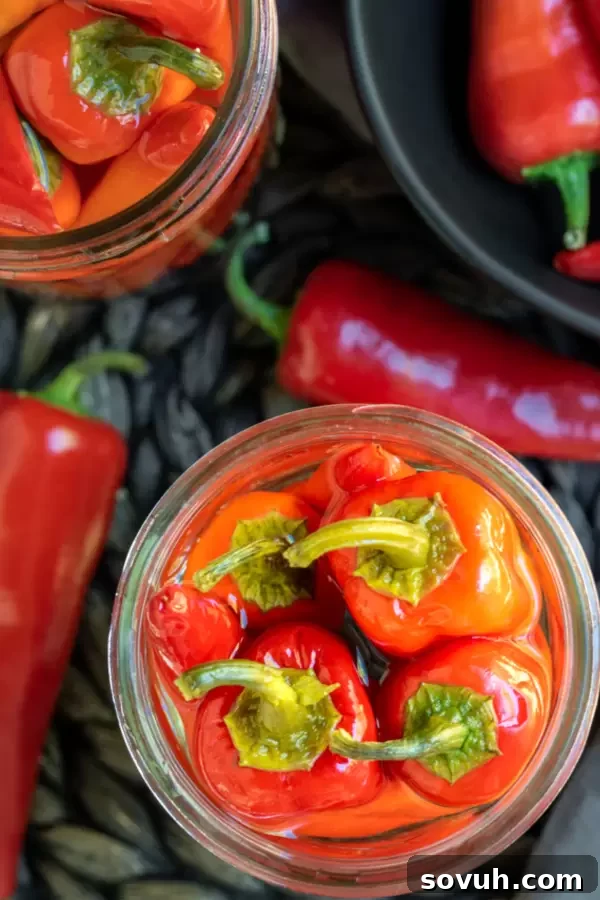
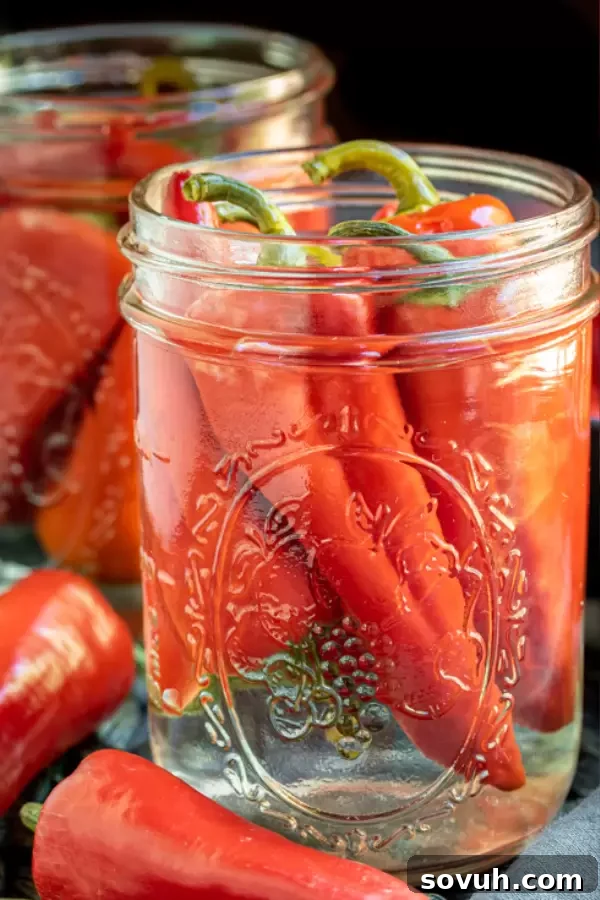
- Prepare Your Peppers and Jars: Begin by thoroughly washing your chosen hot peppers. For best flavor release, use a sharp knife or a clean toothpick to make a few small slits or poke holes in each pepper. This allows the vinegar to penetrate the pepper flesh more effectively, speeding up the infusion process. Next, ensure your glass jars are clean and sterilized. While this isn’t canning, sterilizing jars helps prevent any unwanted bacteria from forming and ensures a longer-lasting, cleaner product. Pack the peppers tightly into your sterilized jars. The goal is to fill the jar as much as possible without crushing the peppers, ensuring maximum surface area contact with the vinegar.
- Prepare the Infusion Liquid: In a small saucepan, combine your white vinegar with the kosher salt. Place the saucepan over medium-high heat and bring the mixture to a rolling boil. Stir gently to ensure the salt fully dissolves. Boiling the vinegar mixture serves two purposes: it helps dissolve the salt efficiently and contributes to the sterility of the final product.
- Combine and Seal: Carefully pour the hot vinegar and salt mixture over the packed peppers in each jar. Fill the jars completely to the top, ensuring all the peppers are submerged. This is crucial for proper preservation and flavor development. Immediately after filling, securely screw on the lids. A tight seal is essential for the aging process.
- The Waiting Game: Now comes the hardest part – patience! Place the sealed jars in a cool, dark place, such as your pantry or a cupboard, away from direct sunlight. Allow the peppers and vinegar to marinate and infuse for a minimum of two months. During this period, the peppers will slowly release their heat and complex flavors into the vinegar, transforming it into a vibrant, spicy condiment. While two months is a good starting point, many enthusiasts find the flavor continues to deepen and improve with longer aging, even up to six months or more.
Maximizing Flavor: How to Enjoy Your Hot Pepper Sauce
Once your homemade pepper vinegar has aged to perfection, a world of culinary possibilities opens up. This versatile condiment is a staple in Southern kitchens for good reason:
- Collard Greens and Other Stewed Vegetables: A generous splash is absolutely mandatory on a plate of rich, slow-cooked collard greens, turnip greens, or mustard greens. The bright acidity and heat cut through the richness, balancing the flavors beautifully.
- Beans and Peas: Drizzle it over black-eyed peas, butter beans, or any other hearty legume dish for an instant flavor boost.
- Soups and Stews: Add a dash to warm up your chicken noodle soup, vegetable stew, or chili.
- Eggs: A few drops on scrambled eggs, omelets, or even deviled eggs provide a delightful kick.
- Seafood: It pairs wonderfully with fried fish, oysters, shrimp, or even in a seafood marinade.
- Marinades and Salad Dressings: Incorporate it into your meat marinades for chicken or pork, or whisk it into a vinaigrette for a spicy salad dressing.
- Rice Dishes: A few shakes can bring life to plain rice or rice-based casseroles.
- Sandwiches and Wraps: Add a zesty note to your favorite sandwiches or wraps.
Don’t be afraid to experiment! The mild, bright heat of pepper vinegar is surprisingly adaptable and can find a place in countless dishes where a touch of acidity and warmth is desired.
Frequently Asked Questions About Pepper Vinegar
What Size Jars Should I Use?
For this recipe, two wide-mouth pint jars are ideal. Wide-mouth jars make it significantly easier to pack the peppers in without damaging them. However, you don’t strictly need Mason jars or specific canning jars since we aren’t using a canning process. Any clean glass jar with a tightly sealable lid will work perfectly. Just ensure it’s made of glass to prevent any reaction with the acidic vinegar.
Is Hot Pepper Sauce the Same as Hot Sauce?
Not exactly. While both involve hot peppers and vinegar, they differ in preparation and consistency. Hot pepper sauce, or pepper vinegar, is made by marinating whole peppers in vinegar for an extended period, allowing the vinegar to absorb the spicy essence. It remains a thin, clear, pepper-infused vinegar. Traditional hot sauce, on the other hand, typically involves blending peppers (often fermented), vinegar, and sometimes other spices into a thicker, more homogeneous liquid or paste. Hot sauces generally have a stronger, more concentrated pepper flavor and a much thicker consistency, while pepper vinegar offers a brighter, tangier, and more nuanced heat.
Can I Refill My Pepper Sauce Jar?
Absolutely! This is one of the best features of homemade pepper vinegar. As your vinegar level gets low, you can simply top off the jar with fresh white vinegar. There’s no need to boil the new vinegar again; just pour it in. Over time, the peppers will gradually lose some of their potency, but you can keep a jar going for a year or even longer this way without a significant loss of flavor and heat. Eventually, you might want to start a fresh batch with new peppers for peak potency.
Can I Use Different Types of Vinegar?
While traditional white distilled vinegar is recommended for its neutral profile and high acidity, you can certainly experiment. Apple cider vinegar would impart a fruitier, slightly sweeter tang, while rice vinegar might offer a milder, more delicate flavor. Balsamic or red wine vinegar would likely be too strong and alter the classic Southern profile too much. If you choose to experiment, be aware that the flavor of your pepper vinegar will change significantly.
Storing Your Homemade Hot Pepper Sauce
One of the many benefits of this recipe is its exceptional shelf stability. Due to the high acidity of the vinegar, which acts as a natural preservative, there is no need to store your hot pepper sauce in the refrigerator. Simply ensure that your jar has a tightly fastening lid to keep it sealed and store it in a cool, dark place, such as your pantry or a kitchen cabinet. Stored correctly, your homemade pepper vinegar will last indefinitely, ready to spice up your meals whenever inspiration strikes.
Explore More Homemade Sauce Creations
If you’ve enjoyed crafting your own hot pepper sauce, you might be inspired to try other homemade condiments and flavor enhancers:
- Easy Chimichurri Sauce
- Keto Tzatziki Sauce
- Red Enchilada Sauce
- Homemade BBQ Sauce
- Fresh Basil Pesto
- 7UP Marinade for Steaks
- Discover more sauces and seasonings…
Loved this recipe?
Make sure to follow us on Instagram and Pinterest for even more delicious homemade recipes and kitchen inspiration!
Hot Pepper Sauce
Servings: 16 (1 tablespoon each)
Prep Time: 10 minutes
Wait Time: 60 days
Total Time: 60 days 10 minutes
This Hot Pepper Sauce is a classic Southern recipe. It’s a delicious pepper vinegar that you can put on just about anything to give it a little extra boost of flavor!
Ingredients
- 1 cup White vinegar (find white vinegar here)
- 1 teaspoon Kosher salt (find kosher salt here)
- 30 small Hot peppers (or 20 large peppers)
Instructions
- In a small saucepan, combine the white vinegar and kosher salt. Bring the mixture to a boil over medium-high heat, stirring until the salt is fully dissolved.
- Divide your prepared hot peppers between two wide-mouth pint jars. Pack them in tightly, ensuring the jars are filled without breaking the peppers. (Refer to the notes section for jar alternatives).
- Carefully pour the heated vinegar mixture over the peppers, filling the jars to the very top. Ensure all peppers are fully submerged in the liquid.
- Tightly fasten the lids in place. Store the sealed jars in a cool, dark place, such as your pantry or a cabinet, for 2 months to allow the flavors to fully develop and infuse.
- After two months, your homemade pepper sauce is ready to use! Continue to store it in a cool, dark place. When the vinegar level starts to run low, simply top off the jar with more white vinegar (no need to boil it again). This keeps your sauce fresh and spicy for an extended period.
Notes
- You do not have to use a wide-mouth pint jar specifically. Any clean glass container that can be tightly sealed and can accommodate your peppers will work. Just ensure it’s made of glass.
Nutrition
Serving: 1 tablespoon, Calories: 5kcal, Carbohydrates: 1g, Protein: 1g, Fat: 1g, Saturated Fat: 1g, Sodium: 146mg, Potassium: 18mg, Fiber: 1g, Sugar: 1g, Vitamin A: 54IU, Vitamin C: 8mg, Calcium: 2mg, Iron: 1mg
Nutrition Disclaimer: We are not certified nutritionists. Nutrition facts are an estimate and are provided as a courtesy. They are generated by an online API which recognizes ingredient names and amounts and makes calculations based on the serving size. Results may vary.
Course: Sauce
Cuisine: American
