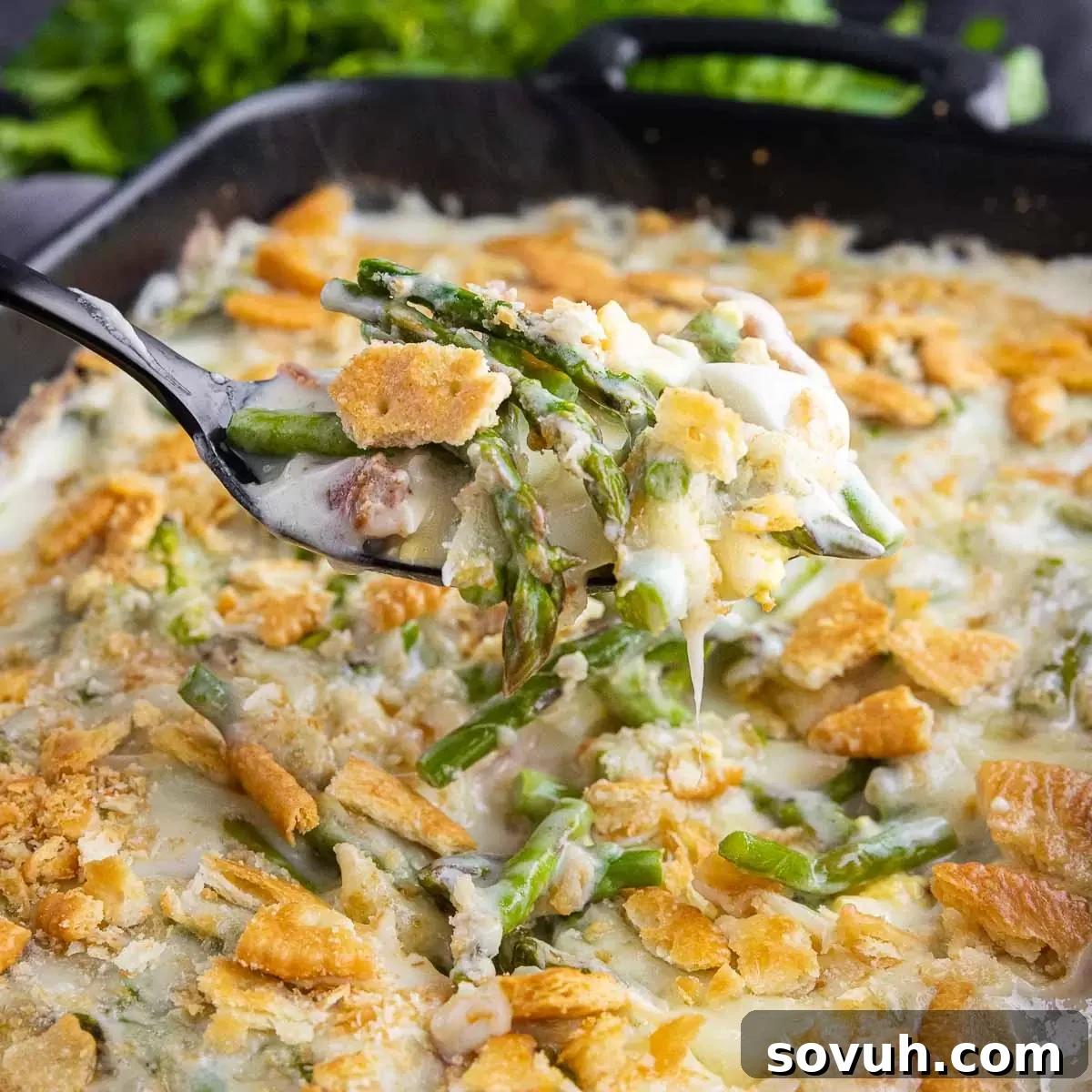
Easy Asparagus Casserole: The Ultimate Cheesy Spring Side Dish
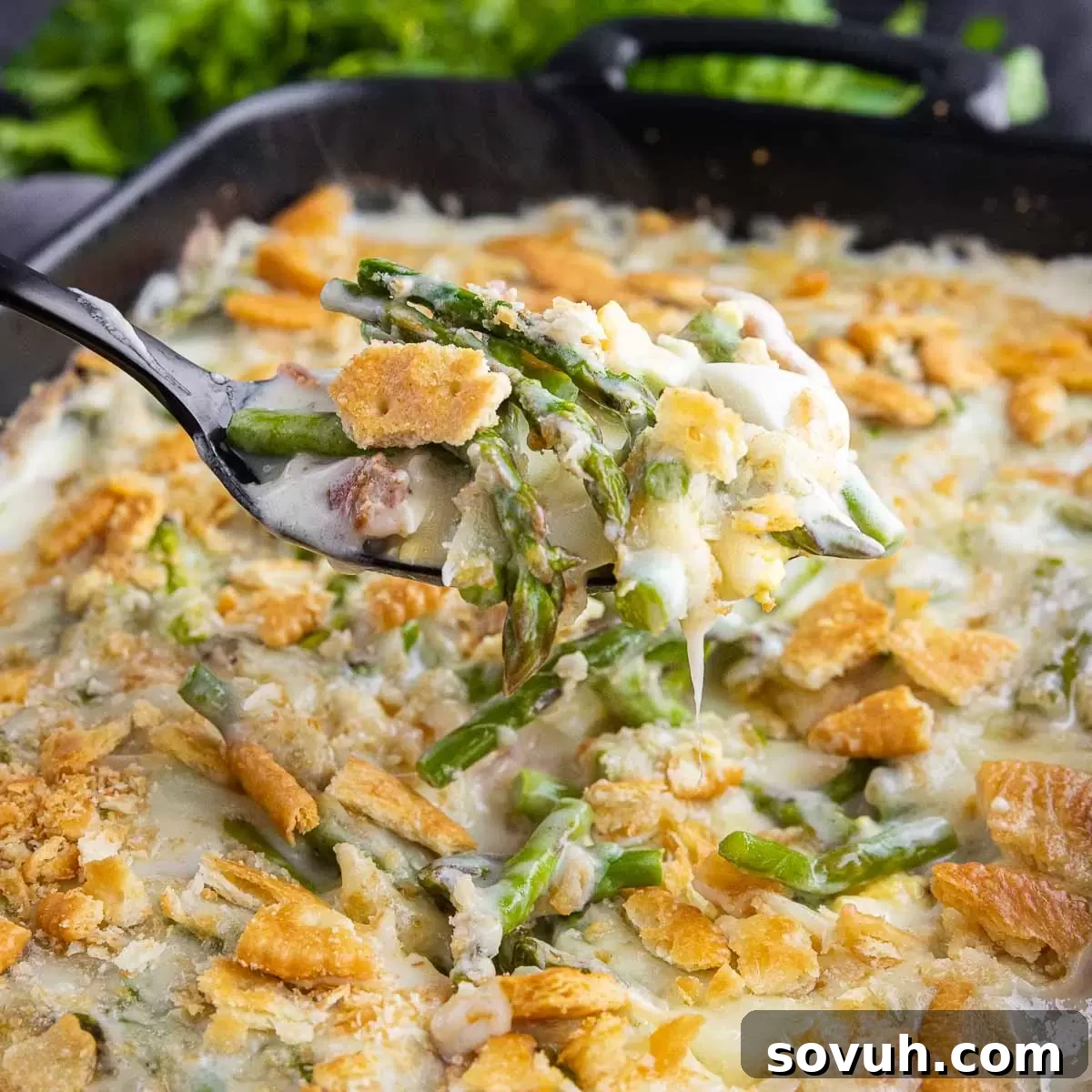
As spring awakens, so do our appetites for fresh, vibrant flavors. And what better way to celebrate the season than with a comforting, easy asparagus casserole? This classic Southern-inspired side dish is a true crowd-pleaser, combining tender fresh asparagus, savory hard-boiled eggs, and crispy bacon, all enveloped in a rich, homemade cheese sauce and crowned with a golden, buttery Ritz cracker topping. It’s an unforgettable dish that brings warmth and flavor to any table.
This creamy, dreamy asparagus bake isn’t just delicious; it’s incredibly versatile. It shines as a centerpiece for your Easter brunch, serves as an elegant accompaniment to your Easter dinner, or simply elevates any weeknight meal. Imagine it alongside a succulent honey-glazed ham, complementing the sweet and savory notes beautifully. If you’re searching for a simple yet impressive asparagus recipe, this easy casserole is about to become your new go-to!
Table of Contents
- Ingredients You’ll Need
- Picking the Perfect Asparagus
- Step-by-Step Instructions
- Microwave Steaming Asparagus: A Quick Tip
- Creative Alternate Toppings
- Storage and Reheating Tips
- More Delicious Asparagus Recipes
Note: This post may contain affiliate links. That means if you click on a link and make a purchase, we may receive a small commission. Thank you for supporting our content!
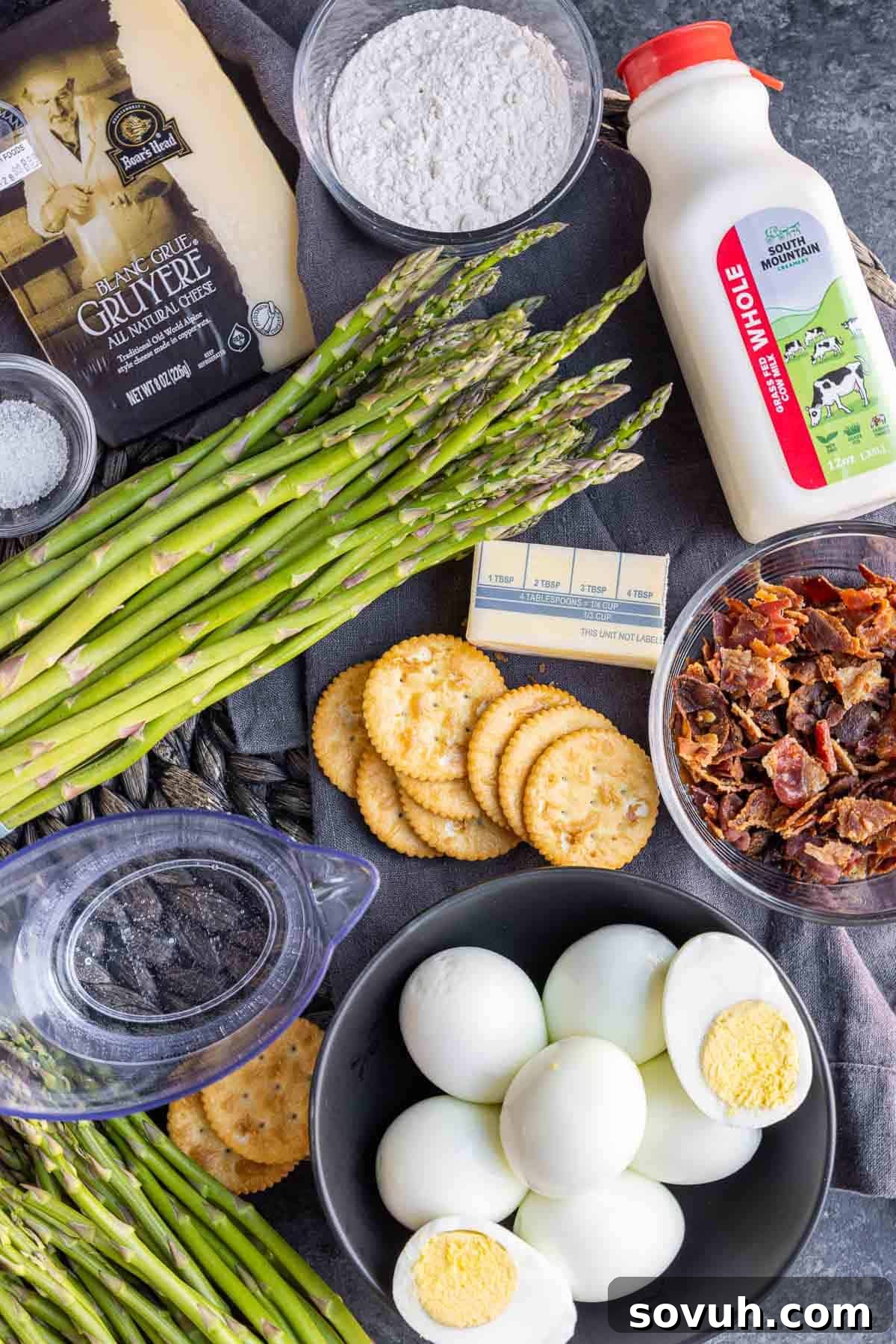
Key Ingredients for Your Asparagus Casserole
Crafting this delightful asparagus casserole is straightforward, requiring a handful of fresh and flavorful ingredients that come together harmoniously. Here’s what you’ll need to create this perfect spring dish:
- Fresh Asparagus: The star of our show! Opt for vibrant green, firm spears. Fresh is crucial for the best texture and flavor in this casserole, avoiding the mushiness that can come with frozen or overcooked alternatives.
- Butter: Essential for both the rich cheese sauce and binding your crunchy topping. Both salted and unsalted butter work well; adjust the added salt in the sauce accordingly.
- All-Purpose Flour: Forms the roux, the foundational thickening agent for our luscious homemade cheese sauce.
- Whole Milk & Water: This combination creates a creamy, smooth sauce. Whole milk contributes richness, while a touch of water helps achieve the perfect consistency without making it overly heavy.
- Salt: We recommend Kosher salt for its pure flavor and gentle salinity, allowing the other ingredients to shine. Taste and adjust as needed.
- Gruyere Cheese: Our top choice for its mild, nutty flavor and incredible melting properties. Gruyere, a classic Swiss cheese, melts into a beautifully smooth sauce without becoming oily. However, if you prefer, sharp cheddar or a blend of your favorite hard cheeses can also be used for a different flavor profile.
- Hard-Boiled Eggs: These add a wonderful richness and texture. You can easily boil your own or pick up pre-cooked eggs for a convenient shortcut. It’s also a fantastic way to utilize leftover hard-boiled eggs from Easter celebrations!
- Bacon: Crispy, salty bacon pieces provide a delightful contrast to the tender asparagus and creamy sauce. Any preferred flavor or brand will do; just ensure it’s cooked to a perfect crisp.
- Ritz Crackers: A signature Southern touch! Crumbled Ritz crackers create a buttery, savory, and incredibly crunchy topping. If you’re looking for alternatives, panko breadcrumbs, regular bread crumbs, or even crispy fried onions make excellent choices. The goal is that irresistible textural crunch!
This simple casserole with asparagus stands out, reminiscent of a classic green bean casserole but with an elevated twist. Instead of canned ingredients and cream of mushroom soup, we use fresh asparagus and a velvety homemade cheese sauce, offering a fresher, more gourmet experience.
For an even easier prep, consider cooking a few extra hard-boiled eggs when preparing your deviled eggs for Easter. Pair this satisfying casserole with a side of classic macaroni salad, and you’ve got a complete, heartwarming meal!
Picking the Perfect Asparagus for Your Casserole
The quality of your asparagus can make all the difference in this casserole, so choosing the right spears is key. For this dish, we highly recommend using fresh asparagus. Avoid frozen or pre-cooked asparagus, as they tend to become overly mushy during the baking process, detracting from the desired texture.
When selecting your asparagus at the grocery store, look for spears that are bright green, firm to the touch, and have tight, closed tips. Wilted, dull, or soft asparagus is past its prime and won’t deliver the crisp-tender bite we’re aiming for.
The recipe often specifies a weight for the asparagus, and it’s important to note that this weight refers to the asparagus before it’s trimmed. This ensures you buy the correct quantity. Asparagus thickness can vary greatly, from slender pencil-thin spears to thicker, more robust stalks. Our recipe’s weight is calibrated for thinner asparagus, roughly the diameter of a pencil.
If you opt for thicker asparagus, you might need a slightly larger quantity to ensure you have enough to create two ample layers in your casserole dish. Thicker spears also require a bit more cooking time to reach the desired tenderness, so keep an eye on them during the initial steaming process. Ultimately, the goal is to have enough asparagus to create a substantial base and a second layer that beautifully covers your casserole, ensuring every bite is infused with that wonderful spring flavor.
Step-by-Step Instructions: Crafting Your Asparagus Casserole
Ready to create this incredible spring side dish? Follow these detailed steps for a perfect Asparagus Casserole every time.
Step 1: Preheat and Prepare
Begin by preheating your oven to a moderate 350 degrees F (175 degrees C). This ensures your casserole bakes evenly and gets that beautiful golden crust. While the oven warms up, lightly grease a 9×13 inch casserole dish with non-stick spray, olive oil, or a touch of melted butter. This prevents sticking and makes for easy serving.
Step 2: Prep the Asparagus
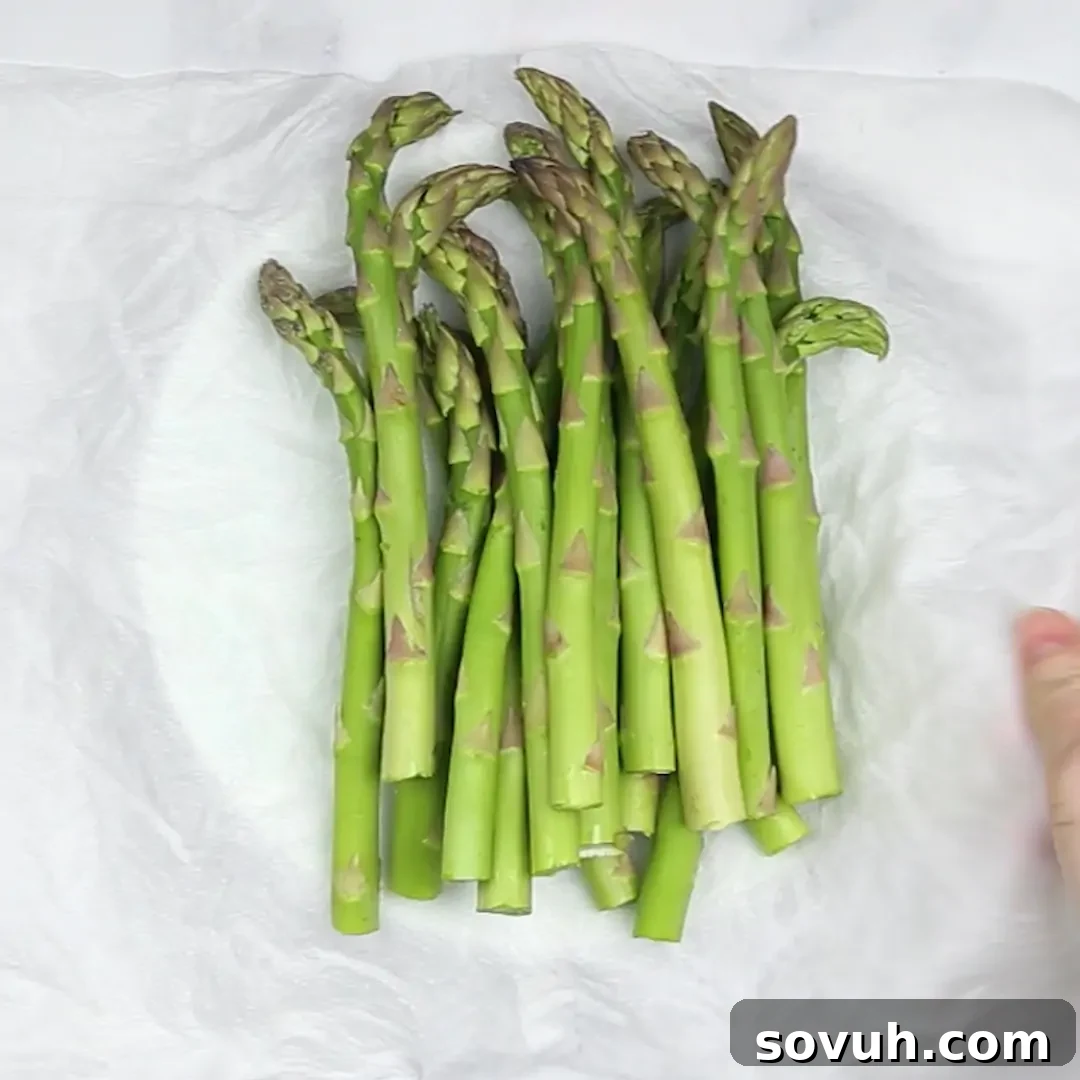
First, trim the woody ends off your fresh asparagus spears. A simple trick is to hold a spear by both ends and bend it; it will naturally snap where the tender part begins. Once trimmed, divide the asparagus into two manageable bunches. Wrap each bunch tightly in a damp paper towel. Microwave each bunch separately for 2 to 3 minutes, or until the asparagus is tender-crisp – you want it cooked through but still retaining a slight “bite.” Be mindful of the thickness of your asparagus; thinner spears will cook faster, so avoid overcooking to prevent mushiness. After steaming, cut the asparagus spears into convenient 1-inch pieces and set aside.
Step 3: Prepare Eggs and Bacon
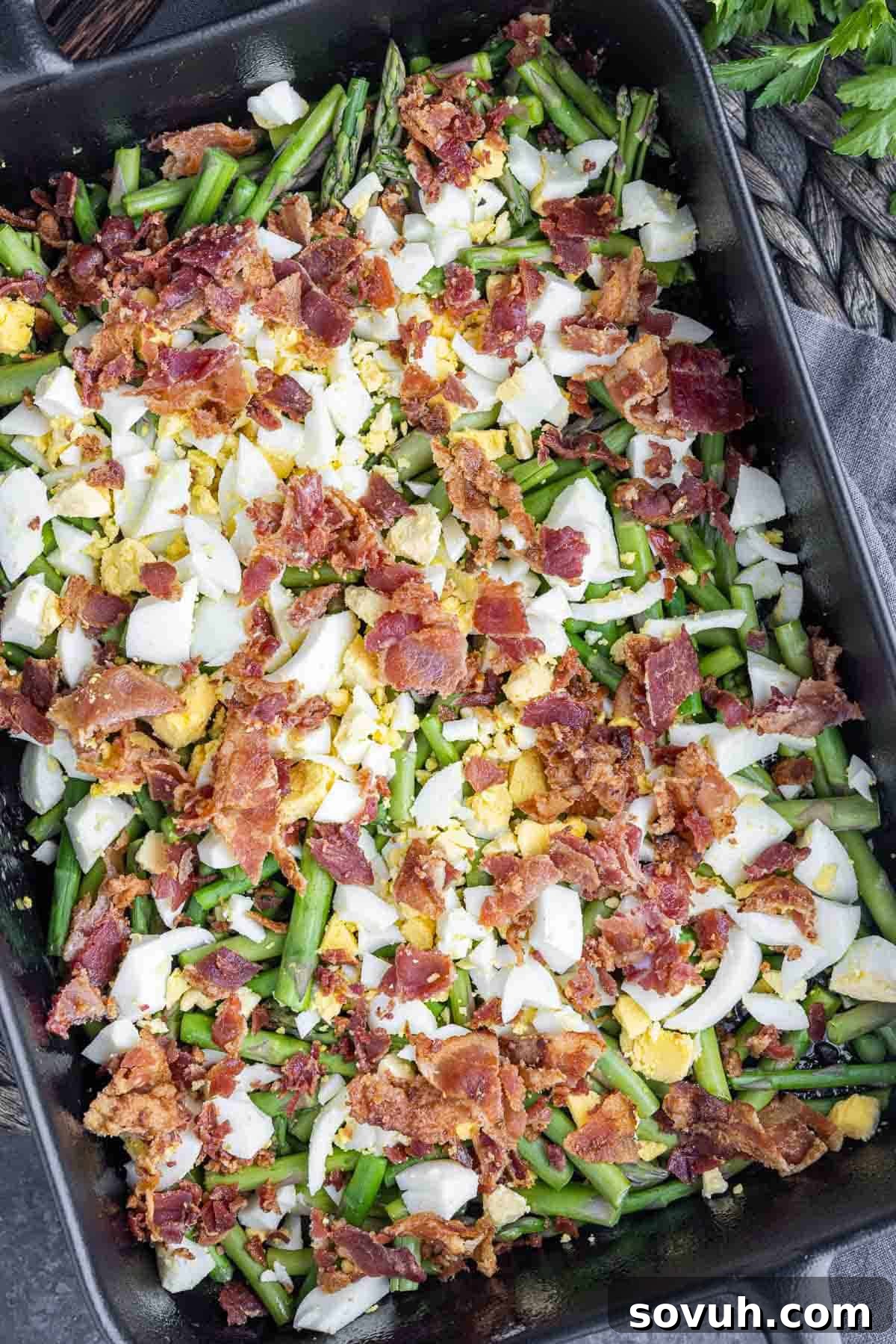
Roughly chop your hard-boiled eggs and the cooked, crispy bacon into small, bite-sized pieces. These savory elements will be layered into the casserole, adding bursts of flavor and texture.
Step 4: Assemble the Casserole Layers
Now, it’s time to build your casserole! In your prepared 9×13 inch baking dish, spread half of the cut asparagus pieces evenly across the bottom. Next, generously sprinkle the chopped hard-boiled eggs and crispy bacon over this first layer of asparagus. Finally, spread the remaining asparagus pieces over the top of the egg and bacon mixture, creating a lovely layered effect.
Step 5: Master the Homemade Cheese Sauce
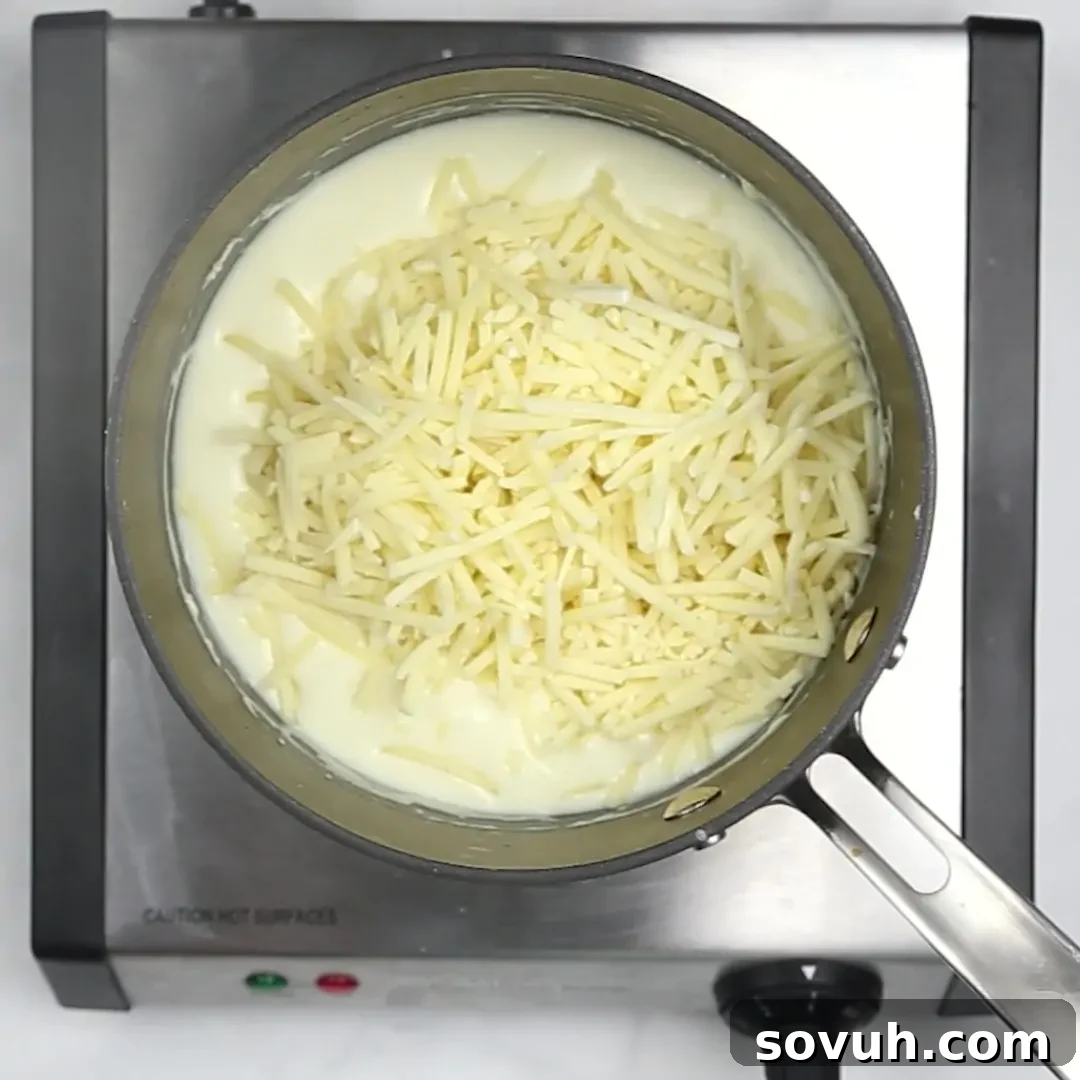
In a medium saucepan, melt the butter over medium-high heat. Once melted, quickly whisk in the flour to create a smooth roux. Cook this mixture for about 1 to 2 minutes, stirring constantly, until it turns a light golden brown and smells slightly nutty. This cooking time helps to remove the raw flour taste. Gradually whisk in the whole milk and water until the mixture is completely smooth and free of lumps. Add the salt, then continue to cook, stirring frequently, until the sauce begins to thicken to a lovely, creamy consistency. This usually takes about 3 to 5 minutes. Finally, remove the saucepan from the heat, add your grated Gruyere cheese, and stir until the cheese is fully melted and incorporated, creating a rich, velvety cheese sauce.
Step 6: Combine and Top
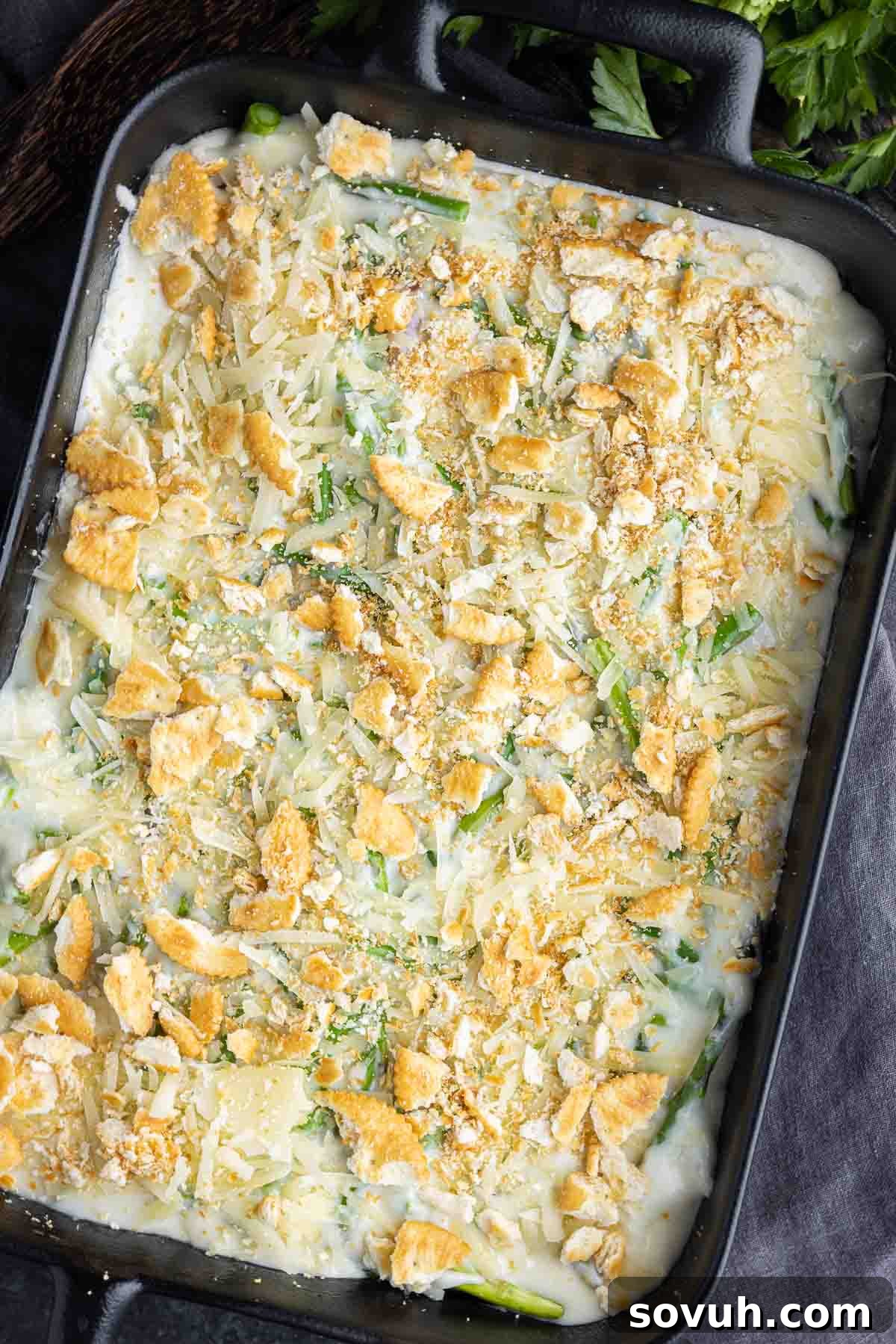
Pour the luscious cheese sauce evenly over the layered ingredients in your baking dish. Give the dish a gentle shake or two to help the sauce seep down between all the layers, ensuring every component is coated in cheesy goodness. Next, prepare your Ritz cracker topping: crush the crackers, but don’t overdo it! You want a mix of fine crumbs and small chunks for the best texture. Sprinkle these buttery cracker crumbs generously over the top of the casserole.
Step 7: Bake to Golden Perfection
Carefully place the casserole dish into your preheated oven. Bake for 20-25 minutes, or until the cheese sauce is bubbly around the edges and the Ritz cracker crumbles have turned a beautiful, light golden brown. Once baked, remove the casserole from the oven and let it cool for about 10 minutes before serving. This crucial resting period allows the sauce to set slightly, making it easier to serve and ensuring each spoonful holds its delightful shape. Enjoy your perfectly baked Asparagus Casserole!

Microwave Steaming Asparagus: A Quick Tip for Perfect Tenderness
Steaming asparagus in the microwave is a fantastic time-saver that delivers perfectly tender-crisp results without the need for extra pots and pans. It’s especially useful when you’re preparing multiple dishes and want to streamline your cooking process.
Here’s our simple, foolproof method for microwave steaming:
- Trim the Ends: Start by snapping off the woody ends of your asparagus spears. This ensures only the tender, edible parts make it into your casserole.
- Damp Paper Towel Prep: Get a paper towel thoroughly wet with water, then wring out any excess so it’s damp but not dripping.
- Wrap It Up: Neatly wrap the damp paper towel around a bunch of your trimmed asparagus. The moisture in the paper towel will create a steamy environment in the microwave.
- Microwave Magic: Place the wrapped asparagus bunch in the microwave and cook for 2 to 3 minutes. The exact timing might vary slightly depending on the wattage of your microwave and the thickness of the asparagus spears. For thinner spears, start with 2 minutes; for thicker ones, lean towards 3 minutes.
- Check for Perfection: When it comes out, the asparagus should be beautifully steamed – softened through, but still with a satisfyingly crisp “bite” to it. It’s important not to overcook it at this stage, as it will continue to cook in the oven.
If you prefer a more traditional approach or don’t have a microwave, you can absolutely steam the asparagus on the stovetop. Simply place a steamer basket over a pot of simmering water, add the asparagus, cover, and steam until tender-crisp, typically 3-5 minutes depending on thickness.
Creative Alternate Toppings for Your Asparagus Casserole
While the buttery Ritz cracker topping is a beloved Southern tradition and our go-to for this casserole, don’t hesitate to experiment with different crunchy additions to customize your dish! The key is to introduce a contrasting texture that complements the creamy, tender interior.
Here are some fantastic alternate topping ideas to inspire your culinary creativity:
- Parmesan Panko Perfection: Combine finely grated Parmesan cheese with panko breadcrumbs and toss them with a small amount of melted butter. Panko provides an exceptionally light and crispy crust.
- Classic Breadcrumbs: For a more traditional breaded topping, mix plain or seasoned breadcrumbs with a touch of melted butter. This creates a slightly denser, golden-brown crust.
- Crispy Fried Onions: Borrow a page from the green bean casserole playbook! Those savory, crunchy fried onions add a delightful tang and texture that pairs wonderfully with asparagus and cheese.
- Your Favorite Crushed Crackers: Beyond Ritz, consider other buttery or savory crackers. Saltine crackers, club crackers, or even seasoned croutons, lightly crushed, can offer unique flavor nuances and a satisfying crunch.
- Toasted Nuts: For a sophisticated touch and added nutritional value, lightly toast some slivered almonds or chopped pecans and sprinkle them over the top for a nutty crunch.
- Herbed Crumbs: Mix your breadcrumb topping with fresh or dried herbs like parsley, thyme, or chives for an aromatic boost.
Each of these options brings its own character to the casserole, allowing you to tailor this spring classic to your personal taste or what you have on hand. No matter which topping you choose, you’re guaranteed a delicious, textural contrast to the creamy goodness below.
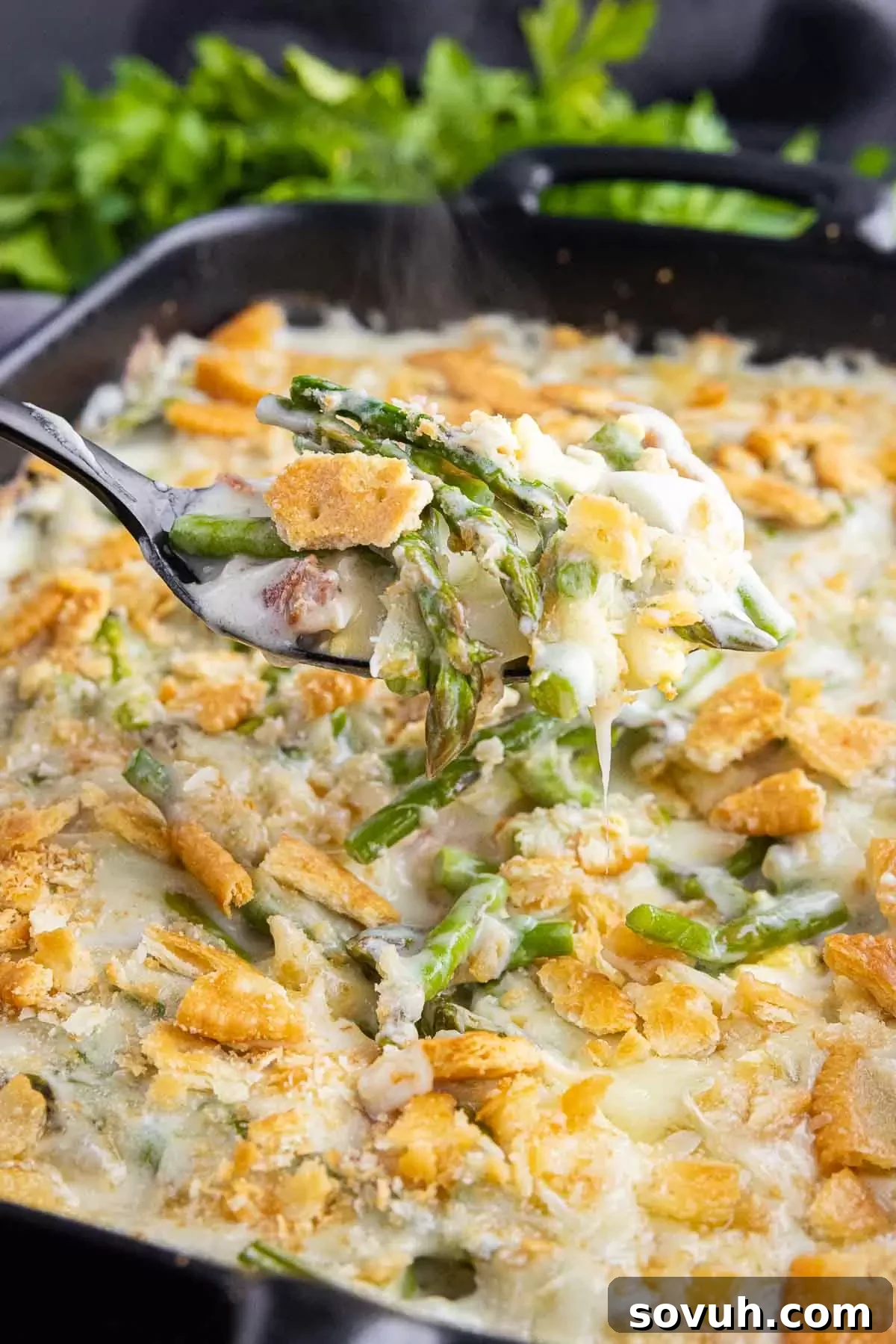
Storage and Reheating Tips for Asparagus Casserole
This Asparagus Casserole is delicious fresh out of the oven, but it also makes for wonderful leftovers with proper storage and reheating. Here’s how to keep it fresh and enjoy it again:
Storing Leftovers
To store any remaining casserole, first allow it to cool completely at room temperature. Once cooled, transfer it to an airtight container. Properly sealed, the casserole can be stored in the refrigerator for up to 4 days. Ensure it’s tightly covered to maintain its freshness and prevent it from absorbing other odors from the fridge.
Reheating Your Casserole
There are a couple of great ways to reheat your Asparagus Casserole, depending on whether you’re warming a single serving or the entire dish:
- Microwave Method (for single servings): Place an individual slice in a microwave-safe dish. Heat on high for 2 to 2.5 minutes, or until thoroughly warmed through. Stirring occasionally can help ensure even heating.
- Oven Method (for the whole casserole): For larger portions or to retain that lovely crispy topping, preheat your oven to 350 degrees F (175 degrees C). Place the casserole dish in the oven, covered loosely with aluminum foil to prevent the topping from over-browning. Heat for 15 to 20 minutes, or until the casserole is warmed through and bubbling gently. If you want to crisp up the topping, you can remove the foil for the last 5 minutes of reheating.
Can You Freeze Asparagus Casserole?
We generally do not recommend freezing this asparagus casserole. The texture of asparagus tends to degrade significantly upon freezing and thawing, often becoming watery and mushy. This can negatively impact the overall quality and enjoyment of the dish. It’s best enjoyed fresh or from refrigeration within a few days.
More Delicious Asparagus Recipes to Explore
Love asparagus as much as we do? This versatile spring vegetable shines in so many dishes! If you’re looking to incorporate more asparagus into your meals, here are some other fantastic recipes from our collection:
- Creamy Asparagus Soup (Instant Pot & Stove Top)
- Crispy Air Fryer Asparagus
- One-Pan Lemon Chicken and Asparagus
- Elegant Asparagus Goat Cheese Tart
- Keto Roast Beef and Asparagus Roll Ups (2 Ways)
- Vibrant Roasted Tomato and Asparagus Salad
- Easy Italian Pasta Salad (featuring fresh veggies!)
Did you enjoy this recipe?
Make sure to follow us on Instagram and Pinterest for even more delightful recipes and home inspiration!
Asparagus Casserole

Print Recipe
Rating: 4.50 from 16 votes
Ingredients
- 2.5 pounds Fresh asparagus (see note 1)
- 4 Hard-boiled eggs
- 8 slices Cooked bacon (approximately 2 ounces cooked)
- 10 RITZ crackers, crumbled
- 4 tablespoons Butter
- 4 tablespoons Flour
- 1 1/2 cup Whole Milk
- 1/2 cup Water
- ¼ teaspoon Salt
- 8 ounces Gruyere, grated
Instructions
- Preheat the oven to 350 degrees F.
- Trim the asparagus ends. Divide into two bunches and wrap each bunch of asparagus in a wet paper towel.
- One at a time, microwave the asparagus bunches for 2-3 minutes (depending on the strength of your microwave) until the asparagus is tender but still has a crunch to it.
- Cut the asparagus into 1 inch pieces and set aside.
- Roughly chop the hard-boiled eggs and the cooked bacon. Set aside.
- Grease a 9×13 inch casserole dish. Spread half of the asparagus over the bottom of the dish.
- Sprinkle chopped eggs and bacon over the asparagus.
- Spread the remaining asparagus over the top.
- In a medium saucepan, over medium high heat, melt the butter and then quickly whisk in the flour to make a roux. Cook for 1-2 minutes, until the roux turns a light golden brown and then whisk in the milk and water.
- Continue whisking until the mixture is smooth. Add the salt and continue to cook until the sauce begins to thicken, approximately 3-5 minutes.
- Add the cheese and continue to stir until it is fully incorporated.
- Pour the sauce over the ingredients in the casserole dish. Give the dish a little shake to help the sauce get between the layers.
- Crush the Ritz crackers, leave some chunks you don’t want a fine powder. Sprinkle over the top of the casserole.
- Place in the oven and bake for 20-25 minutes or until the sauce is bubbling and the cracker crumbles are lightly browned.
- Remove from oven and let cool for 10 minutes before serving.
Notes
- This is the weight before the asparagus is trimmed. The weight of asparagus can vary depending on the thickness of your asparagus. You want enough to make 2 layers that will cover your dish.
Nutrition
Serving: 2g, Calories: 265kcal, Carbohydrates: 11g, Protein: 16g, Fat: 18g, Saturated Fat: 9g, Polyunsaturated Fat: 2g, Monounsaturated Fat: 6g, Trans Fat: 1g, Cholesterol: 122mg, Sodium: 432mg, Potassium: 368mg, Fiber: 3g, Sugar: 4g, Vitamin A: 1378IU, Vitamin C: 6mg, Calcium: 319mg, Iron: 3mg

This recipe was originally published on 4/25/2019. It was republished with updated instructions and new photos on 3/30/2022.