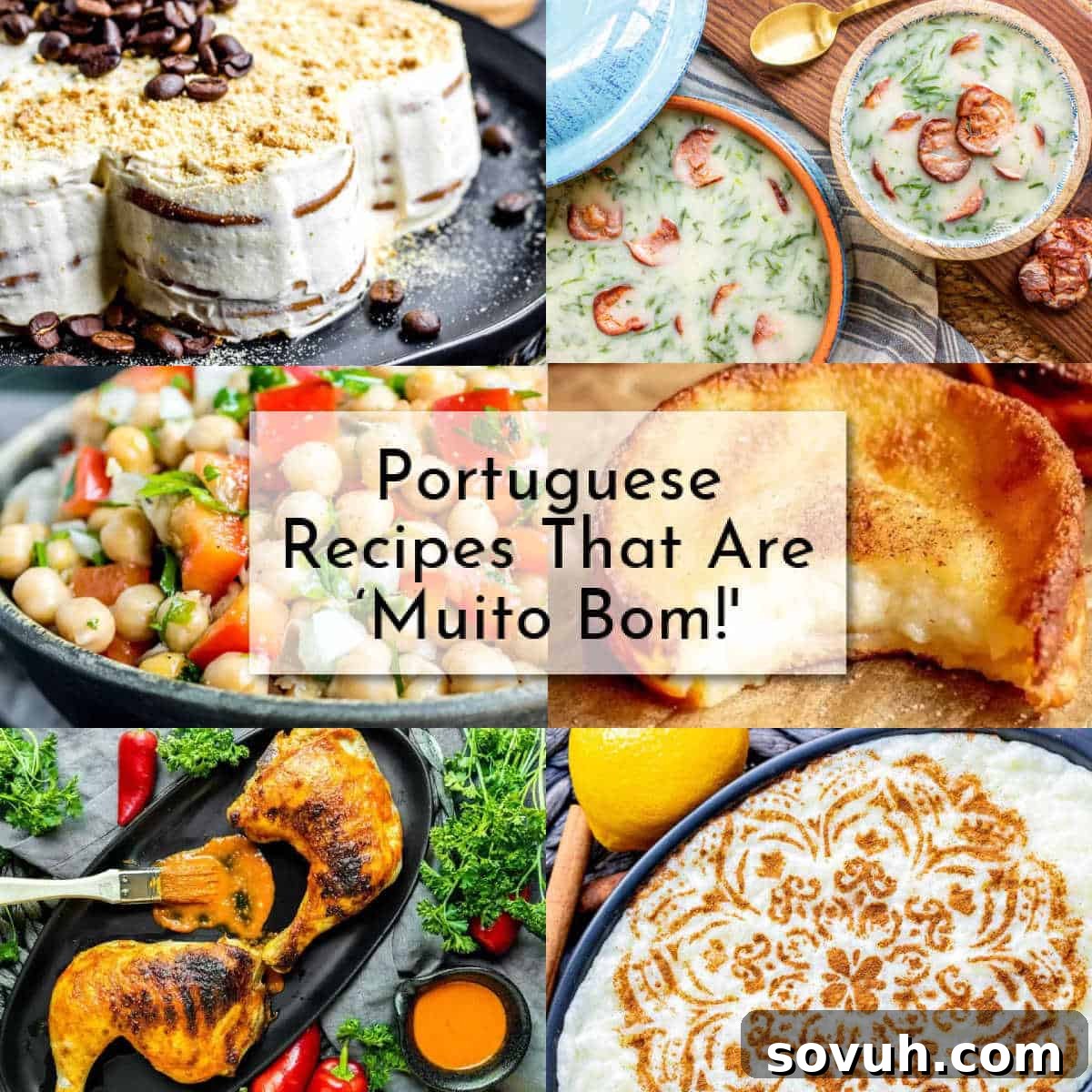
Embark on an unforgettable culinary journey to Portugal right from your kitchen! This curated collection of authentic Portuguese recipes invites you to discover the vibrant flavors, rich traditions, and comforting aromas that define Portuguese cuisine. From hearty, soulful stews to delicate, sweet pastries, each dish is a testament to Portugal’s diverse gastronomic heritage. Prepare to delight your senses and experience the true taste of Portugal, where every bite is so incredibly delicious, you’ll undoubtedly exclaim, “muito bom!” – which means “very good!” in Portuguese.
Whether you’re a seasoned chef or a home cook eager to explore new tastes, these hand-picked traditional Portuguese dishes offer something for everyone. We’ve meticulously gathered recipes that capture the essence of this beloved European country, ensuring a delightful and authentic cooking experience. Get ready to transform everyday meals into extraordinary feasts, filled with the warmth and hospitality that Portuguese food is renowned for.
Bolo de Bolacha (Portuguese Biscuit Cake)

Bolo de Bolacha, often simply called Portuguese Biscuit Cake, is a quintessential no-bake dessert that holds a special place in Portuguese households. This traditional treat is a delightful layering of crisp Maria biscuits, soaked in strong, aromatic coffee, and generously slathered with a rich, velvety buttercream. The simplicity of its ingredients belies the complexity of its flavor and texture – a perfect balance of coffee bitterness, biscuit crunch, and creamy sweetness. It’s a nostalgic dessert, often prepared for family gatherings and celebrations, offering a comforting end to any meal without the need for an oven. Its elegant presentation, often dusted with biscuit crumbs or cocoa, makes it as appealing to the eye as it is to the palate. For an authentic taste of Portuguese sweetness, Bolo de Bolacha is a must-try.
Get Recipe: Bolo de Bolacha {Portuguese Biscuit Cake}
Caldo Verde (Portuguese Kale Soup)
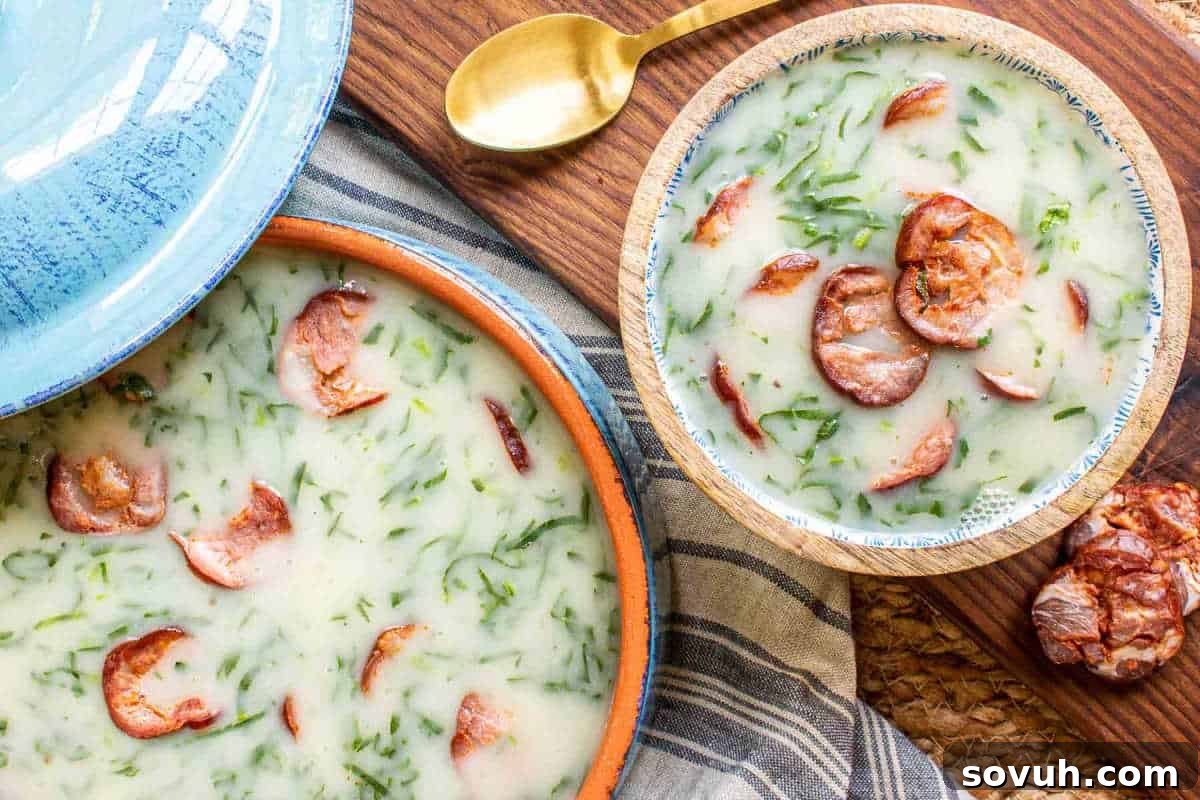
Caldo Verde, meaning “green broth,” is arguably one of Portugal’s most iconic and beloved soups. This rustic yet refined comfort food embodies the heart of Portuguese home cooking. It’s a remarkably simple soup made with finely shredded collard greens (or kale), puréed potatoes for a creamy base, and a hint of garlic and olive oil. What truly elevates this humble soup is the addition of thinly sliced chouriço (Portuguese smoked sausage) which infuses the broth with a smoky, spicy depth that is utterly irresistible. Historically a peasant dish, Caldo Verde has transcended its origins to become a staple at everything from casual weeknight dinners to festive gatherings, often served with cornbread (broa). It’s warm, nourishing, and incredibly flavorful, making it a perfect dish to chase away a chill or simply enjoy a taste of authentic Portugal.
Get Recipe: Caldo Verde – Portuguese Kale Soup
Queijadas de Leite (Portuguese Milk Tarts)

Queijadas de Leite, or Portuguese Milk Tarts, are enchanting small pastries that offer a sweet, creamy escape. These traditional Portuguese desserts are characterized by their delicate, slightly crispy pastry shells filled with a smooth, sweet, and tangy custard made primarily from milk, sugar, and eggs. Unlike the more famous Pastel de Nata, Queijadas de Leite often have a lighter, airier texture and a distinct milky flavor, sometimes enhanced with a hint of lemon or cinnamon. Originating from convents and monasteries, these tarts showcase the ingenuity of Portuguese baking with simple, wholesome ingredients. Perfect for an afternoon treat with a cup of coffee or as a light dessert, Queijadas de Leite are a testament to the comforting simplicity and profound flavors of traditional Portuguese patisserie. They are a beloved staple in bakeries across Portugal and a delightful addition to any dessert table.
Get Recipe: Portuguese Milk Tarts {Queijadas de Leite}
Salame de Chocolate (Chocolate Salami)
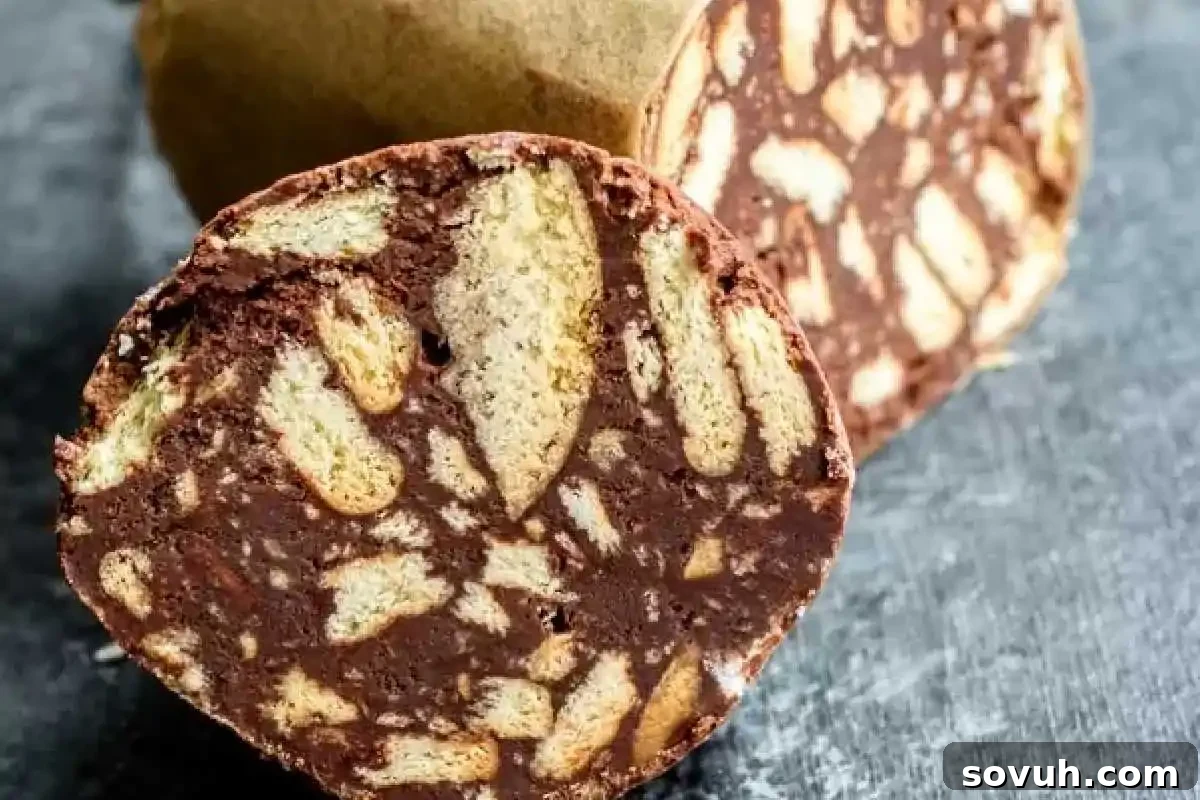
Salame de Chocolate, or Chocolate Salami, is a whimsical and utterly delicious no-bake dessert popular in both Portuguese and Italian cuisine. This ingenious sweet treat gets its name from its appearance – when sliced, it resembles a traditional cured sausage, complete with “fat” flecks provided by broken Maria biscuits. Made from a rich base of chocolate, butter, and sometimes eggs, mixed with those crunchy biscuits, it’s rolled into a log and chilled until firm. The result is a delightful contrast of textures: smooth, decadent chocolate enveloping crisp biscuit pieces. It’s incredibly easy to make, requires no cooking, and is a fantastic dessert for sharing at parties or enjoying as an indulgent snack. Salame de Chocolate is a testament to the creativity found in traditional Portuguese desserts, offering a fun and delicious experience for chocolate lovers of all ages.
Get Recipe: Portuguese Chocolate Salami {Salame de Chocolate}
Arroz Doce (Portuguese Rice Pudding)
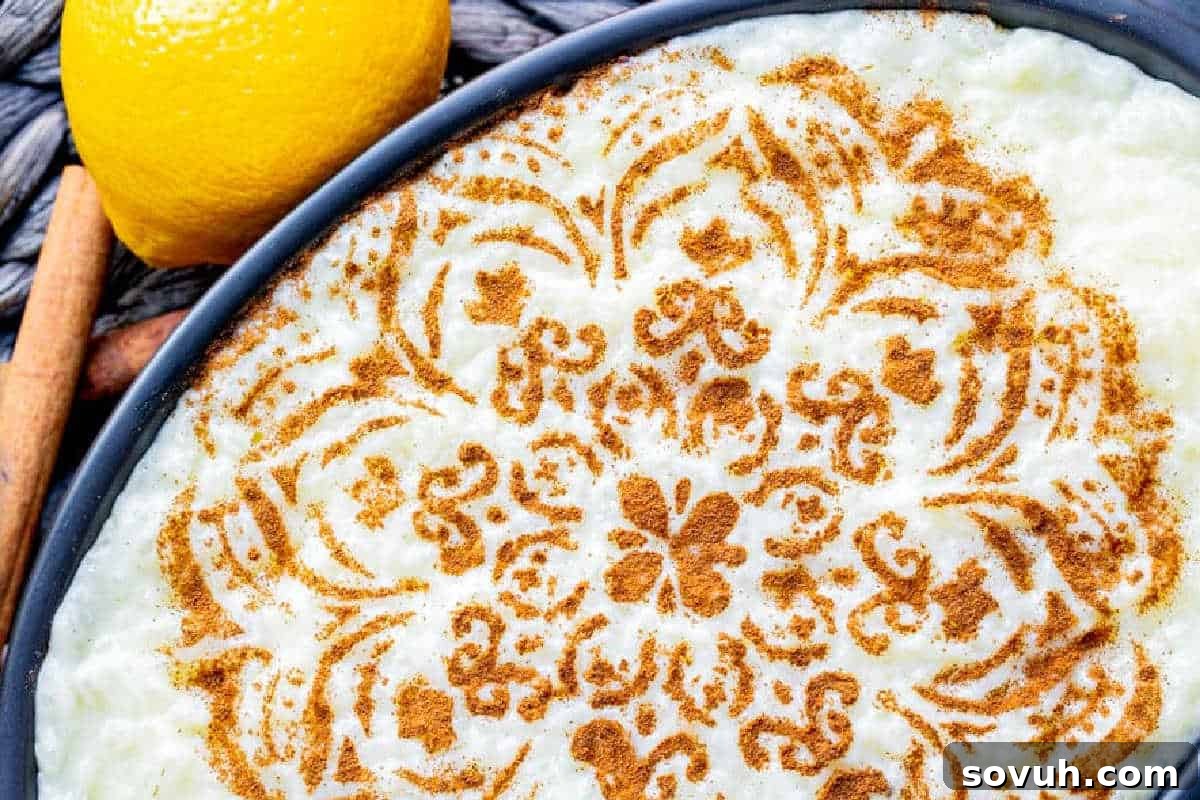
Arroz Doce, the Portuguese version of rice pudding, is a comforting and aromatic dessert cherished throughout the country. This traditional sweet features short-grain rice cooked slowly in milk and sugar until wonderfully creamy, then enriched with egg yolks for a truly luxurious texture. What sets Arroz Doce apart are its distinctive flavorings: a generous infusion of lemon peel provides a bright, citrusy note, while ground cinnamon adds warmth and spice. It’s typically served chilled, often beautifully garnished with intricate patterns of cinnamon dust, transforming a simple dessert into a work of art. Arroz Doce is a staple at family meals, celebrations, and especially during holidays like Easter. Its soothing sweetness and familiar flavors make it a favorite for all ages, a true taste of Portuguese culinary comfort.
Get Recipe: Arroz Doce (Portuguese Rice Pudding)
Portuguese-Style Baked Rockfish
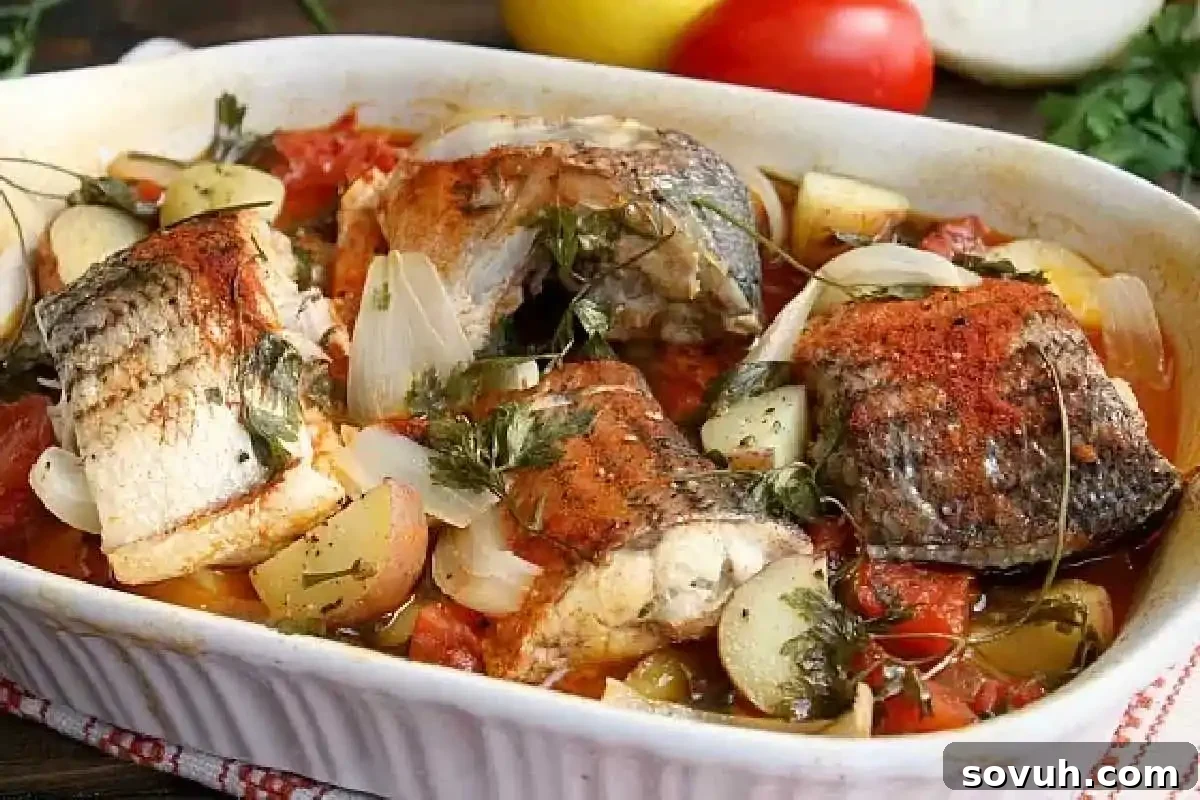
Given Portugal’s extensive coastline and rich maritime history, it’s no surprise that seafood plays a starring role in its national cuisine. This Portuguese-style Baked Rockfish recipe beautifully exemplifies the country’s approach to preparing fresh fish: simple, yet incredibly flavorful, allowing the natural taste of the ocean to shine. In this dish, rockfish fillets are gently baked with a vibrant medley of fresh tomatoes, sweet onions, and a delicate blend of seasonings, often including garlic, olive oil, and fresh herbs like parsley or cilantro. The fish emerges from the oven tender, flaky, and infused with the aromatic juices of the vegetables. It’s a healthy, light, and utterly delicious meal that perfectly captures the Mediterranean influence on Portuguese cooking, making it an ideal choice for a wholesome family dinner or an impressive dish for guests.
Get Recipe: Portuguese-style Baked Rockfish
Piri Piri Chicken

Piri Piri Chicken is a globally renowned dish that originated from Portuguese explorers who brought the fiery African bird’s eye chili (Piri Piri) back to Portugal. This iconic dish features chicken marinated in a vibrant, spicy, and tangy sauce, then grilled or baked to succulent perfection. The marinade, a secret blend often including Piri Piri peppers, garlic, lemon, paprika, and olive oil, infuses the chicken with an unmistakable depth of flavor and a satisfying kick. The result is juicy, tender chicken with a beautifully charred or crispy skin, packed with a punchy heat that can be adjusted to your preference. Piri Piri Chicken is more than just a meal; it’s a culinary experience, perfect for summer barbecues, lively gatherings, or whenever you crave a dish that truly excites the taste buds. It’s a staple in Portuguese churrascarias (grill houses) and a testament to the country’s flavorful spice traditions.
Get Recipe: Piri Piri Chicken
Piri Piri Sauce
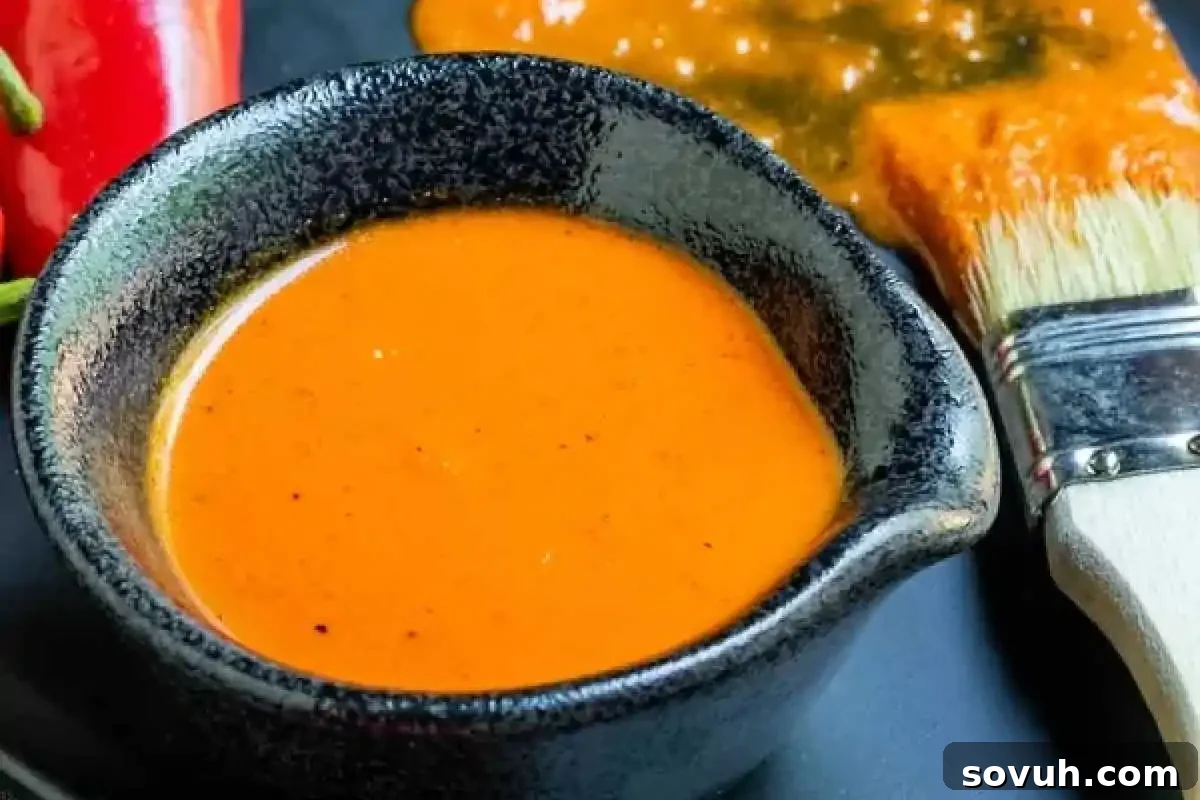
The secret behind the irresistible Piri Piri Chicken lies in its namesake sauce. Piri Piri Sauce is a zesty, fiery, and incredibly versatile condiment that forms the backbone of many spicy Portuguese dishes. Crafted from a vibrant blend of Piri Piri peppers, garlic, vinegar, lemon juice, and various herbs and spices, this sauce delivers a complex flavor profile – hot, tangy, and subtly smoky. It’s not just for chicken; Piri Piri sauce shines as a marinade for seafood and meats, a dipping sauce for appetizers, or even a spicy condiment to drizzle over grilled vegetables and sandwiches. Making your own Piri Piri sauce from scratch allows you to customize the heat level and ensures the freshest, most potent flavors. Its bright, bold character truly encapsulates the adventurous spirit of Portuguese cooking and is an essential component for those looking to explore the spicier side of traditional Portuguese recipes.
Get Recipe: Piri Piri Sauce
Chouriço (Portuguese Smoked Sausage)

Chouriço, the iconic Portuguese smoked sausage, is a cornerstone of Portuguese charcuterie and a fundamental ingredient in countless traditional dishes. Distinct from Spanish chorizo, Portuguese chouriço is typically made from pork, seasoned generously with paprika, garlic, wine, and various spices, then cured and smoked over wood fires. This process gives it a deep, robust flavor and a firm, chewy texture. Its smoky and slightly spicy notes make it incredibly versatile – it can be grilled, fried, added to soups (like Caldo Verde!), stews, rice dishes, or enjoyed simply sliced as part of a charcuterie board. Making chouriço at home is a revered family tradition in Portugal, passed down through generations, ensuring its authentic flavor and quality. Exploring this traditional Portuguese sausage is essential to understanding the depth and richness of Portuguese comfort food.
Get Recipe: Making Homemade Chouriço: A Traditional Portuguese Sausage
Salada de Grão de Bico (Portuguese Chickpea Salad)
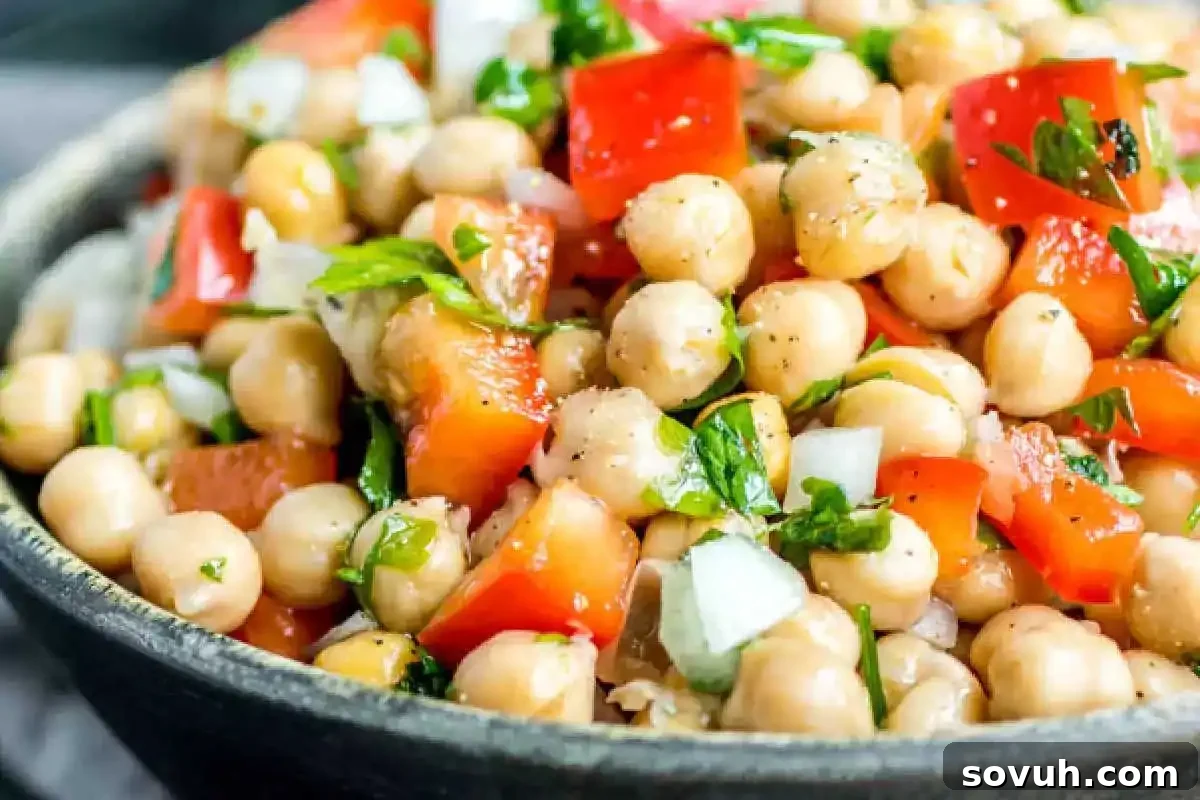
Salada de Grão de Bico, or Portuguese Chickpea Salad, is a wonderfully refreshing and wholesome dish that highlights the country’s use of simple, fresh ingredients to create vibrant flavors. This popular salad combines tender chickpeas with crisp bell peppers, pungent red onions, and fresh parsley, all tossed in a light, zesty dressing of olive oil and vinegar. It’s a perfect example of Mediterranean-inspired Portuguese cuisine, offering a harmonious blend of textures and tastes. Often served as a side dish alongside grilled fish or meat, or as a light and satisfying meal on its own, this chickpea salad is both nutritious and incredibly delicious. Its simplicity makes it easy to prepare, while its bright flavors make it a delightful addition to any meal, particularly on warmer days. Dive into the fresh side of Portuguese cooking with this exquisite salad.
Get Recipe: Mediterranean Chickpea Salad {Salada de Grão de Bico}
Rissóis de Camarão (Portuguese Shrimp Turnovers)

Rissóis de Camarão, or Portuguese Shrimp Turnovers, are a beloved savory pastry that epitomize the country’s love for seafood and fried delights. These crispy, golden-brown half-moon shaped pockets feature a rich and creamy shrimp filling encased in a tender, often breaded, dough. The filling, typically a béchamel-based sauce with succulent pieces of shrimp, is incredibly flavorful and comforting. Rissóis are a staple at Portuguese celebrations, parties, and as a popular snack (salgado) found in cafes and pastelarias throughout Portugal. They are typically deep-fried to achieve that irresistible crispy exterior and warm, gooey interior. Whether enjoyed as an appetizer, a quick bite, or part of a larger feast, Rissóis de Camarão offer a delightful taste of Portuguese culinary tradition and are sure to be a crowd-pleaser.
Get Recipe: Portuguese Shrimp Turnovers – Rissóis de Camarão
From the bustling streets of Lisbon to the tranquil shores of the Algarve, Portuguese cuisine is a tapestry of rich history, fresh ingredients, and passionate cooking. These authentic Portuguese recipes are more than just meals; they are an invitation to experience the warmth, culture, and incredible flavors of Portugal. Whether you’re craving a sweet ending, a hearty soup, or a spicy main, this collection provides a perfect starting point to explore and fall in love with Portuguese food. So, gather your ingredients, put on your apron, and prepare to say “muito bom!” after every delicious bite. Happy cooking!