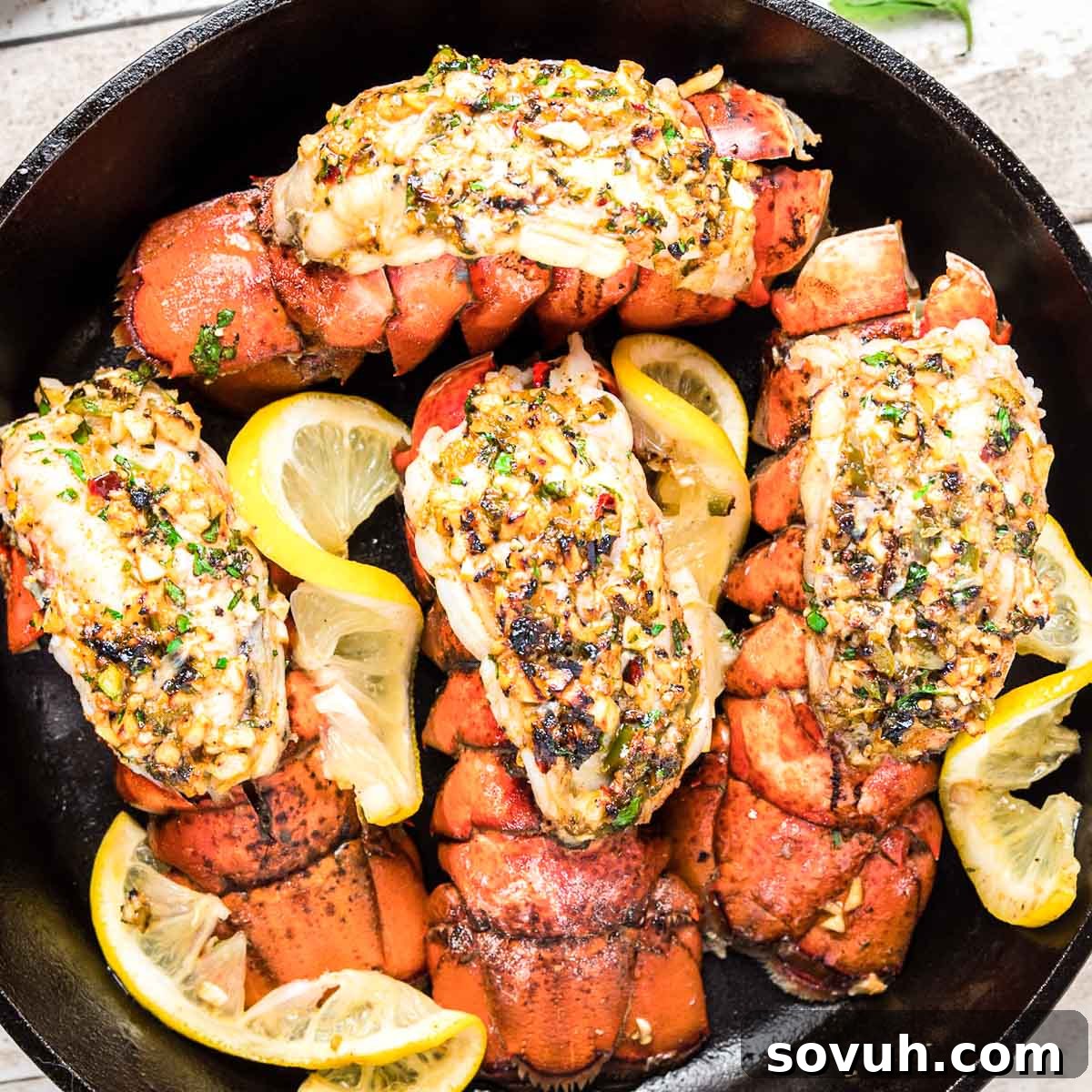
Experience gourmet dining at home with this incredibly easy Broiled Lobster Tails recipe. Perfect for a romantic date night or any special occasion, this decadent dish also aligns beautifully with a ketogenic diet. Unleash your inner chef and savor tender, buttery lobster tails any time you desire an elegant meal without the restaurant price tag.
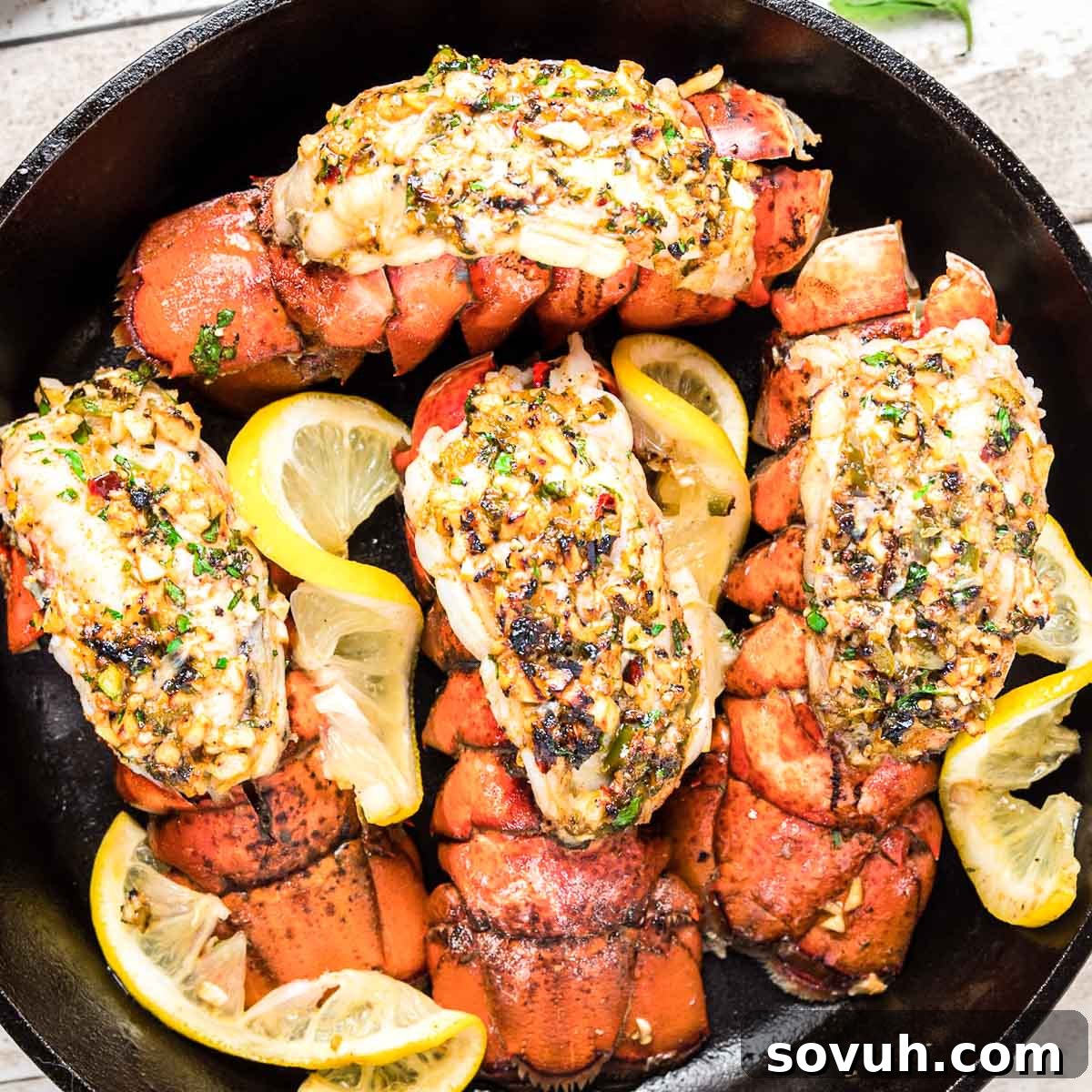
There’s something inherently luxurious about seafood, and lobster tails stand at the pinnacle of this culinary delight. Many home cooks are intimidated by the idea of preparing lobster, imagining a complex process reserved for professional kitchens. We’re here to tell you that couldn’t be further from the truth! Cooking succulent lobster tails at home is surprisingly simple, especially when you master the art of broiling.
This comprehensive guide will demystify the process, walking you through everything from selecting the best tails to the simple technique of butterflying and broiling them to perfection. You’ll learn how to infuse them with rich, aromatic herb butter, creating a dish that looks and tastes like it came from a five-star restaurant, all from the comfort of your own kitchen. Prepare to impress your loved ones (or just yourself!) with this foolproof method.
Once you’ve conquered this impressive yet easy lobster recipe, you might be inspired to explore more fantastic seafood dishes. Why not try our creamy Shrimp Alfredo, a comforting cheesy Shrimp Casserole, or crispy Air Fryer Shrimp? Each recipe promises delicious results with minimal fuss.
Note: This post may contain affiliate links. That means if you click on a link and make a purchase, we may receive a small commission. Thank you for supporting us!
Why Choose Broiled Lobster Tails? The Perfect Indulgence
Broiling is arguably one of the best and most straightforward methods for cooking lobster tails at home, offering a quick, efficient, and incredibly flavorful result. When you broil lobster, the intense direct heat from above cooks the meat rapidly, locking in moisture and preventing it from becoming rubbery or chewy. This method creates a beautifully tender interior with a slightly caramelized, golden-brown exterior, especially when coated with our savory herb butter.
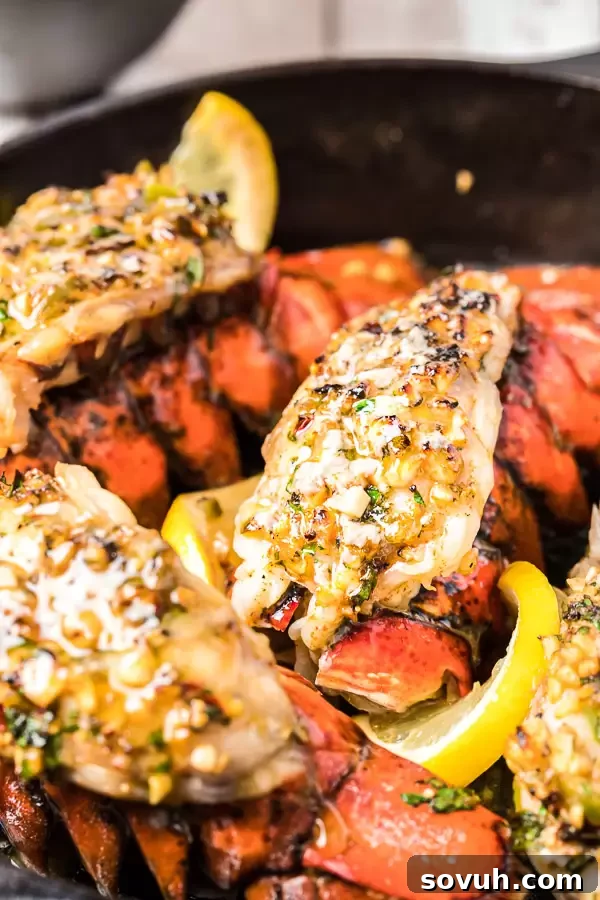
Beyond the fantastic texture and taste, broiled lobster tails are a visual masterpiece, particularly when butterflied. The bright red shell contrasting with the pearly white meat, glistening with melted butter and fresh herbs, makes for an undeniably elegant presentation. This makes it an ideal choice for special occasions like Valentine’s Day, anniversaries, or simply a luxurious weekend dinner at home. It’s a dish that looks sophisticated but is surprisingly simple to execute.
Furthermore, broiling is a remarkably healthy cooking method. It requires minimal added oils, focusing instead on the natural flavors of the lobster and our aromatic herb butter. This aligns perfectly with a low-carb or ketogenic lifestyle, making it a delicious and satisfying option for those mindful of their macronutrients without sacrificing taste or elegance. It’s a culinary win-win for flavor and health!
Selecting the Best Lobster Tails for Your Recipe
The success of your broiled lobster tails begins with choosing high-quality ingredients. Here’s what to look for when selecting lobster tails, ensuring you get the most delicious results:
Fresh vs. Frozen Lobster Tails: What to Know
- Fresh Lobster Tails: While “fresh” often implies never frozen, most lobster tails available outside of coastal areas have been flash-frozen shortly after being caught to preserve their peak freshness and quality. If you live near a reputable seafood market, you might find genuinely fresh, never-frozen tails, which are often considered superior for their texture and inherent sweetness. However, they can be pricier and harder to source consistently.
- Frozen Lobster Tails: These are widely available in most grocery stores and can be an excellent choice if sourced from a reliable supplier. When buying frozen, look for tails that are brightly colored, without any noticeable discoloration, grey spots, or signs of freezer burn. Avoid packages with excessive ice crystals, as this can indicate they’ve been frozen for too long or thawed and refrozen, compromising quality. Quality frozen lobster tails, when properly thawed, will yield results nearly indistinguishable from fresh.
Understanding Lobster Tail Size and Quantity
Lobster tails typically range from 5 to 7 ounces each. The size you choose will impact your serving strategy. For a hearty main course, especially if lobster is the star of your meal, we recommend planning for two tails per person. This ensures a satisfying portion. If you’re serving them as part of a classic “surf-and-turf” dinner alongside a substantial protein like steak or chicken breasts, one tail per person is usually sufficient to complement the other elements of the meal.
This particular recipe is perfectly scaled for two people, each enjoying two luscious tails, providing a generous and indulgent meal. However, the recipe is easily doubled or tripled to feed a larger gathering without any complex adjustments. Consider the appetites of your guests and the overall menu when deciding on the quantity.
Cold Water vs. Warm Water Lobster: A Taste Difference
When purchasing lobster, you might encounter discussions about cold-water versus warm-water varieties. This distinction refers to the origin of the lobster and significantly impacts the taste and texture of the meat:
- Cold-Water Lobsters: These come from colder ocean regions such as Maine (USA), Canada, South Africa, and Australia. They are generally preferred by gourmands for their firmer, sweeter, and more tender meat. This superior quality is attributed to their slower growth rate in the colder environments, allowing the meat to develop more flavor and a delicate texture.
- Warm-Water Lobsters: Found in warmer waters, typically from areas like Florida, the Caribbean, or Latin America, these lobsters tend to have a softer, slightly less flavorful, and sometimes even mushy meat. They are generally less expensive but may not deliver the premium taste and texture desired for a truly special dish like broiled lobster tails.
For the best culinary experience and to truly savor your broiled lobster, we highly recommend opting for cold-water tails if they are available to you. The slight price difference is often well worth the superior taste and texture.
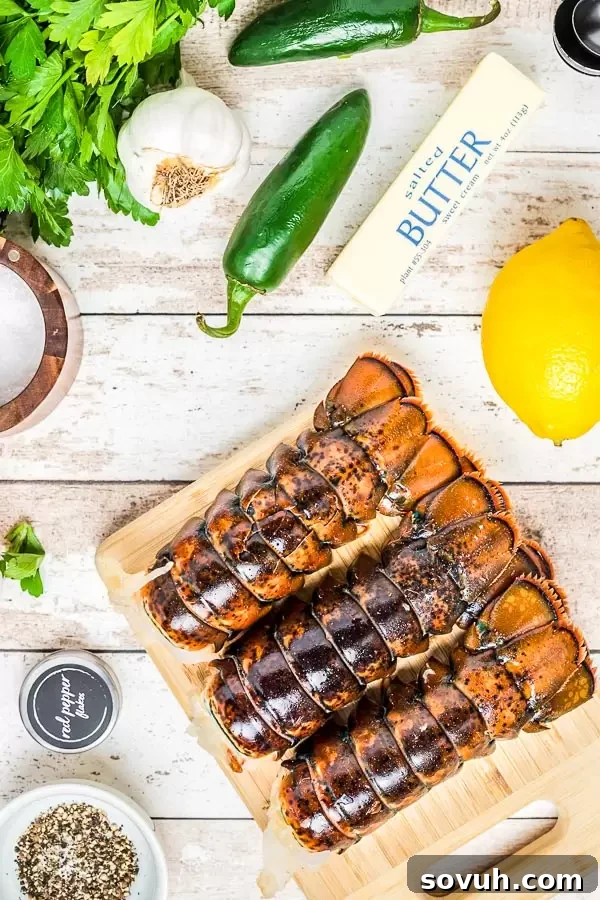
Essential Ingredients for Decadent Broiled Lobster Tails
This simple yet elegant recipe relies on a few carefully selected ingredients to achieve that irresistible gourmet flavor. The beauty lies in the quality of these components working in harmony:
- Lobster Tails: As previously detailed, choose 5-7 ounce cold-water tails for optimal taste and texture. Plan for two per person for a main course. Ensure they are fully thawed before preparation.
- Salted Butter: A generous amount of high-quality salted butter is absolutely non-negotiable for lobster. Butter adds incredible richness, a silky mouthfeel, and perfectly complements the natural sweetness of the lobster meat. It forms the luxurious base of our aromatic herb butter and a luscious finishing sauce. Using salted butter eliminates the need for additional salt in some steps, but always taste and adjust.
- Fresh Parsley: Finely chopped fresh parsley contributes a vibrant, herbaceous note and a beautiful pop of color to the dish. Its slightly peppery, clean flavor enhances the seafood without overpowering it. While dried parsley can be used in a pinch, fresh herbs make a significant and noticeable difference in both flavor and aroma.
- Fresh Garlic: Minced garlic cloves infuse the butter with a pungent, aromatic depth that pairs perfectly with almost any seafood, especially lobster. Use fresh garlic for the best flavor; pre-minced jarred garlic will not yield the same vibrant results.
- Lemon: Fresh lemon juice is crucial for brightening the overall flavors and cutting through the richness of the butter, providing a perfect acidic balance. You’ll need the juice from half a lemon for the herb butter, and the other half will be sliced for adding to the pan during broiling and for garnishing the finished dish.
- Key Spices:
- Sea Salt: Essential for seasoning the lobster meat and herb butter, enhancing its natural taste. Fine sea salt dissolves easily and provides a clean, briny flavor.
- Black Pepper: Freshly ground black pepper adds a subtle, earthy kick and aromatic complexity.
- Smoked Paprika: This spice is a game-changer, introducing a delightful smoky depth and a beautiful reddish hue to the herb butter, which in turn gives the lobster a more appealing visual finish and a nuanced flavor.
- Crushed Red Pepper Flakes: For those who enjoy a little warmth and gentle heat, a touch of crushed red pepper adds a subtle spice without overpowering the delicate lobster flavor. You can adjust the quantity or omit it entirely based on your preference.
Mastering the Art of Butterflying Lobster Tails
Butterflying lobster tails is a crucial step for both ensuring even cooking and creating a stunning presentation. It allows the heat to penetrate the meat more uniformly, preventing some parts from overcooking while others remain underdone. It also creates a beautiful “fan” effect that not only looks professional but also allows the flavorful herb butter to permeate the meat wonderfully. Don’t be intimidated by this technique; it’s much easier than it looks and significantly elevates the dining experience! Here’s a detailed step-by-step guide:
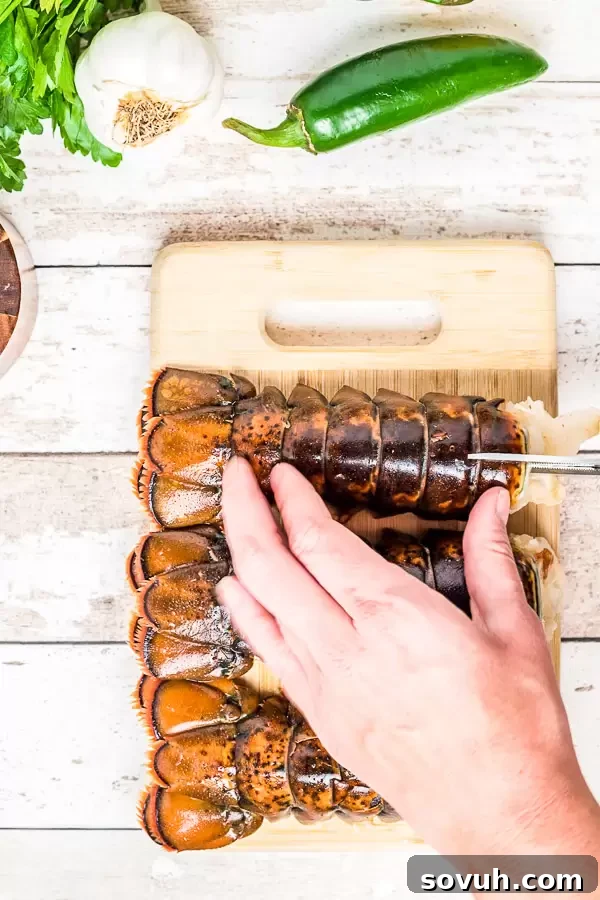
- Gather Your Tools: The most important tool for butterflying lobster tails is a sharp pair of sturdy kitchen shears. Scissors designed for poultry or heavy-duty kitchen tasks work best, as they can cut through the tough lobster shell with precision and ease. A cutting board will also be helpful for stability.
- Cut the Top Shell: Place each lobster tail shell-side up on your cutting board, with the tail fan pointing away from you. Carefully insert the tip of your kitchen shears just below the top fin (the wide end of the tail section, opposite the fan). Gently but firmly cut along the center top of the shell, moving towards the base of the tail. The key here is to be extremely careful not to cut into the delicate lobster meat beneath the shell. Your goal is to cut only the top layer of the hard shell, separating it without touching the meat.
- Loosen the Ribs (Highly Recommended): Once the top cut is made, flip the lobster tails over so the soft, underside (where the legs would be attached) is facing up. You’ll notice a series of small, thin, horizontal ribs. These ribs connect the bottom shell to the top. To make separating the meat easier, either use your thumbs to gently crack these ribs down the center or use your kitchen shears to snip through them. This step significantly helps in opening the shell and removing the meat smoothly. Again, exercise caution to avoid cutting the meat itself.
- Separate the Meat from the Shell: Flip the lobster tail back over, so the cut shell is now on top. Gently slide your fingers down each side of the shell, between the meat and the shell, to carefully loosen the meat. Work slowly and gently to ensure the meat remains intact and doesn’t tear. The goal is to fully detach the meat from the shell along its sides and bottom, leaving it attached only at the very end of the tail fan.
- Lift and Position the Meat: Once the meat feels somewhat loose and separated, carefully pull the two halves of the top shell apart gently with your hands. Then, gently lift the entire piece of lobster meat up through the centerline opening you created. You don’t want to pull it all the way out; instead, bring it up and over the top of the shell.
- Create the Butterfly Effect: After lifting the meat, gently press the bottom shell halves back together underneath the raised meat. Lay the lifted lobster meat on top of the closed shell, allowing it to rest securely. The meat will naturally split open down the center, creating that beautiful “butterfly” presentation. Lightly press the meat to ensure it sits flat and securely on the shell, creating an appealing fan shape.
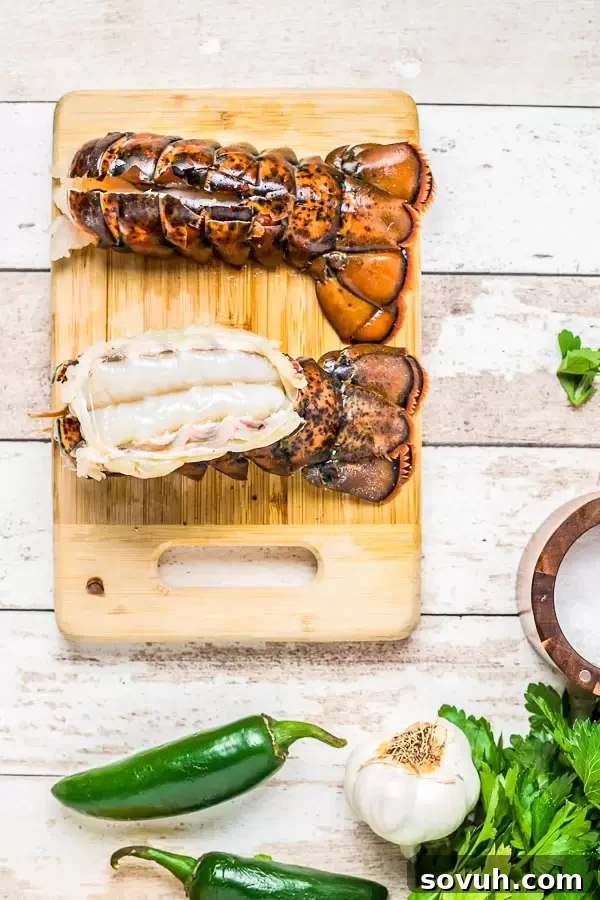
For visual learners, watching someone butterfly a lobster tail can be incredibly helpful and demystifying. You can find many excellent video tutorials online, such as this helpful video on how to butterfly lobster tail. Seeing the technique in action often clarifies any uncertainties and builds confidence!
Broiling Your Lobster Tails to Perfection: Step-by-Step Instructions
With your lobster tails perfectly butterflied and ready, you’re just a few steps away from a truly unforgettable gourmet meal. Broiling is a fast and efficient process, so ensure all your ingredients are prepped and readily accessible before you begin to ensure a smooth cooking experience.
Preparation is Key for a Seamless Cook
- Preheat the Broiler: Begin by preheating your oven broiler to its highest setting (usually “High”). The key to perfectly broiled lobster is intense, direct heat, so make sure your broiler is roaring hot before you place the tails in. Position an oven rack about 6 inches from the top heating element. This precise distance is crucial to cook the lobster thoroughly, achieve a beautiful golden crust, and prevent the delicate meat or shell from burning.
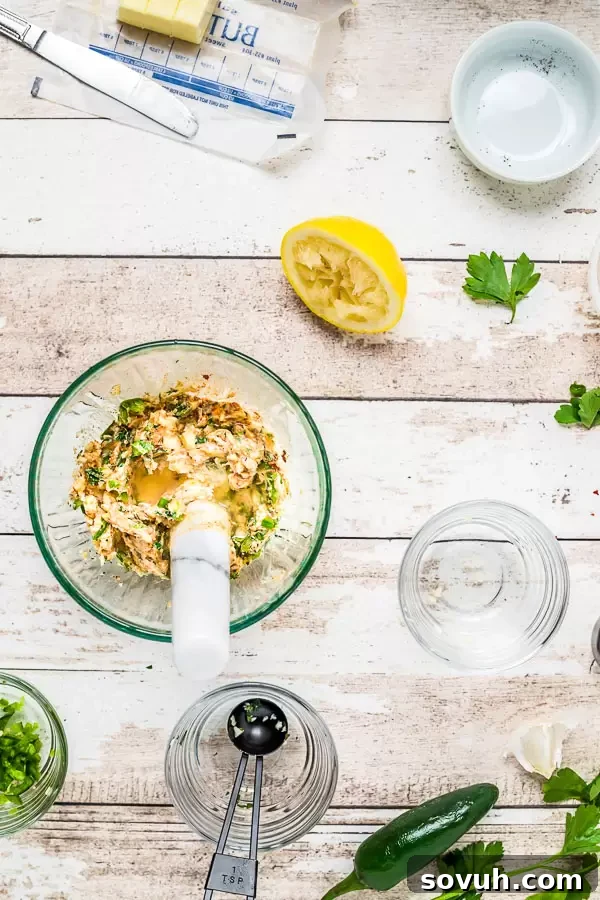
- Craft the Aromatic Herb Butter: In a small, separate bowl, combine your softened salted butter (¼ cup initially), fresh chopped parsley, finely minced garlic, sea salt, black pepper, smoked paprika, and crushed red pepper flakes (if using). Squeeze in the juice from half a lemon. Whisk all these ingredients together thoroughly until they form a smooth, well-combined, and intensely flavorful paste. This herb butter is the secret to infusing your lobster with rich, aromatic notes.
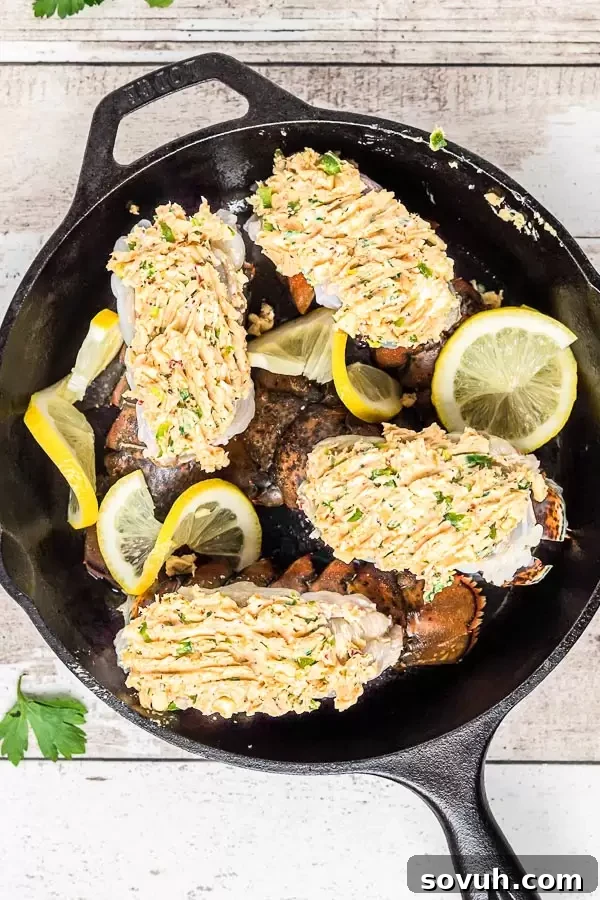
- Arrange the Tails in the Pan: Place your prepared, butterflied lobster tails in a single layer in a 12-inch cast iron skillet. If you don’t have a cast iron skillet, a roasting pan or a heavy-duty baking sheet with raised edges will also work perfectly. Ensure the tails are evenly spaced to allow for consistent heat exposure and even cooking.
- Add Lemon and Butter: Cut the remaining half of the lemon into thin slices. Tuck these lemon slices into the pan around the lobster tails. As they cook, these slices will infuse the pan drippings with extra bright citrus notes. Finally, take your freshly prepared herb butter and spread a generous amount over the top of each exposed lobster tail meat, ensuring every crevice is well coated.
The Broiling Process: Watch Closely!
- Broil to Perfection: Carefully place the cast iron skillet (or baking sheet) under the preheated broiler. Broil for approximately 10 minutes. This is a general guideline; broiler temperatures and oven functionalities can vary significantly. It is crucial to keep a close eye on the lobster throughout this process. The lobster meat should turn opaque white throughout, with a slight golden-brown crust forming on top from the butter, and the edges might curl slightly. For the most accurate measure, an instant-read meat thermometer inserted into the thickest part of the meat should register between 140-145°F (60-63°C). Avoid overcooking, which leads to rubbery lobster.
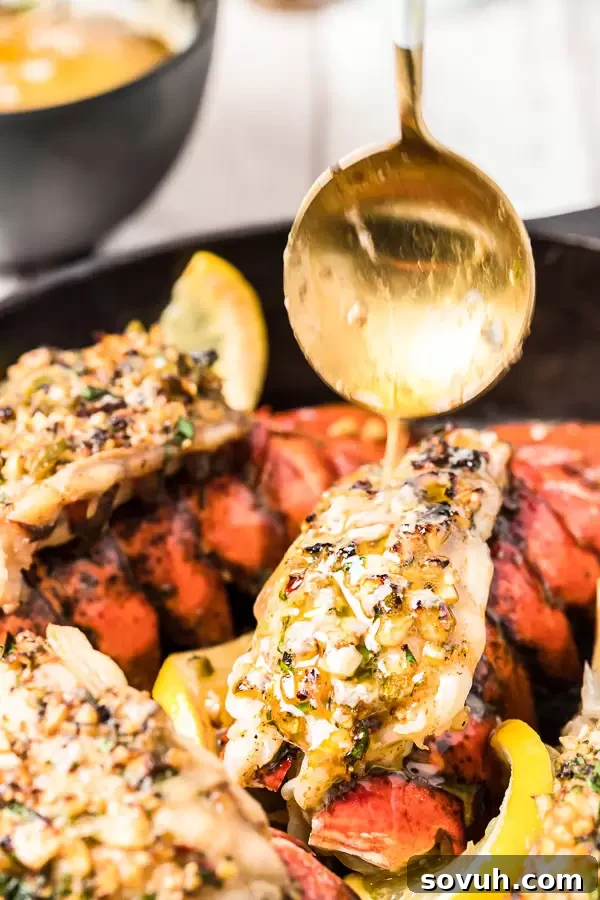
- Create the Finishing Butter Sauce: Once broiled to perfection, carefully remove the skillet from the oven. Using tongs, gently transfer the cooked lobster tails to a separate clean plate. Carefully pour any accumulated liquid and melted butter from the skillet into a small saucepan. Add the remaining ¼ cup of butter to the saucepan. Bring the mixture to a gentle simmer over low heat, allowing the butter to melt and thoroughly meld with the flavorful pan drippings. Once simmering, remove from heat and pour this luscious sauce into a small, heatproof serving bowl. This becomes your exquisite dipping or drizzling sauce.
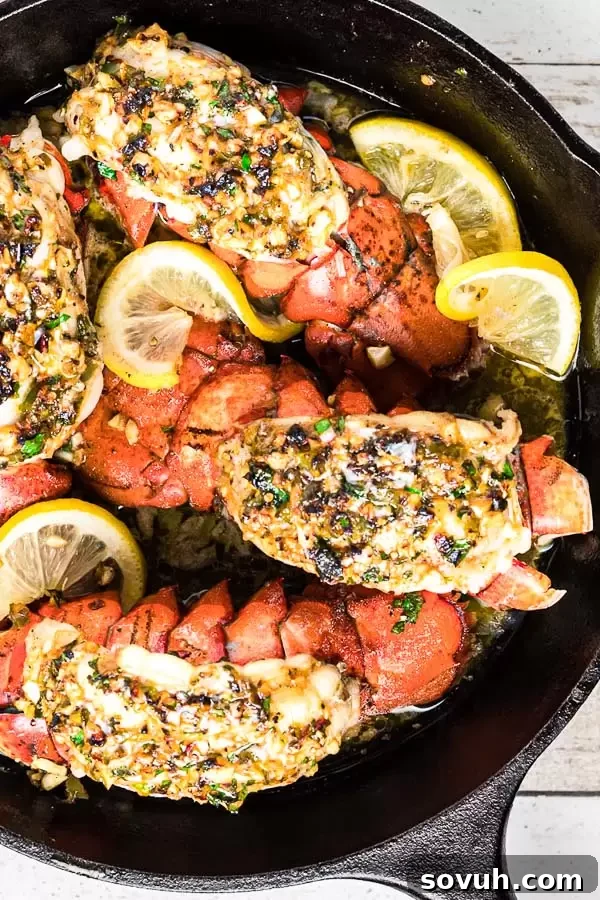
- Serve Immediately: Return the broiled lobster tails to the cast iron skillet for a rustic, impressive presentation, or arrange them elegantly on individual serving plates. Spoon about 1 tablespoon of the freshly made warm butter sauce over each lobster tail. Garnish with additional fresh parsley and extra lemon wedges for squeezing, if desired. Serve immediately and prepare for an exquisite dining experience that tastes as incredible as it looks!
Tips for Success & Common Questions About Cooking Lobster Tails
Even though broiling lobster tails is straightforward, a few expert tips and answers to common questions can help ensure your dish is consistently perfect. From thawing to serving, we’ve got you covered.
Thawing Frozen Lobster Tails Properly
As mentioned, most lobster tails available for purchase are frozen, and they can be just as delicious as fresh ones if handled correctly. However, it’s absolutely crucial to thaw them completely before cooking. Never cook lobster tails from frozen, as this will lead to uneven cooking, a tough texture, and an undesirable result. Here are the best methods:
- Overnight Thawing (Recommended): The best and safest method is to transfer the frozen tails from the freezer to the refrigerator 24 hours before you plan to cook them. This allows for a slow, gentle thaw, which is ideal for preserving the delicate texture and flavor of the lobster meat.
- Quick Thawing (In a Pinch): If you’re short on time, you can opt for a quicker method. Place the individually wrapped frozen tails in a colander in the sink. Run cool (not warm or hot) water over them until they are completely thawed. This method can thaw tails in about 30-60 minutes, depending on their size. Ensure they are fully pliable and no longer icy before proceeding with the recipe. Avoid using hot water, as it can start cooking the outer layer of the meat, making it tough.
How Do I Know When Lobster is Cooked Perfectly?
Properly cooked lobster meat is opaque white and firm, yet still tender and succulent. The biggest mistake is overcooking, which will inevitably turn the meat rubbery and dry. Vigilance is key when broiling, as it’s a very fast cooking method.
- Visual Cues: The most obvious sign is the color change. The lobster shell will turn a vibrant red, and the meat itself will transform from translucent (raw) to an opaque, milky white. A slight curl in the tail is also a good visual indicator of doneness.
- Internal Temperature: For the most accurate measure, use an instant-read meat thermometer. Insert it into the thickest part of the lobster meat, avoiding the shell. It should register between 140-145°F (60-63°C). This temperature ensures it’s safely cooked through while remaining tender.
- Cooking Time Guidelines: Our recipe calls for approximately 10 minutes under the broiler. This is a general guideline. Smaller tails (e.g., 4-5 oz) might cook faster (around 8 minutes), while larger ones (e.g., 8-10 oz) might take slightly longer (12-15 minutes). Always prioritize the visual cues and internal temperature over strict timing.
Serving Suggestions and Perfect Pairings
Broiled lobster tails are undoubtedly a star on their own, but they truly shine when paired with complementary side dishes and beverages. For a classic luxurious experience, consider serving them as part of a “surf-and-turf” meal alongside a perfectly grilled steak. Other fantastic accompaniments include:
- Vegetables: Roasted asparagus with lemon, green beans almandine, creamy mashed potatoes, grilled corn on the cob, or a simple, crisp garden salad with a light vinaigrette.
- Starches: Garlic mashed potatoes, creamy risotto, a light pasta dish tossed with olive oil, fresh herbs, and cherry tomatoes, or simply some crusty bread for soaking up that delicious butter sauce.
- Beverages: A crisp, unoaked Chardonnay, Sauvignon Blanc, or a light-bodied Pinot Noir would complement the richness of the lobster beautifully. For non-alcoholic options, sparkling water with lemon or a light iced tea works well.
Making Lobster Tails Keto-Friendly
Lobster tails are naturally an excellent and luxurious choice for individuals following a ketogenic diet. The meat itself contains virtually zero carbohydrates, making it an ideal protein source for a low-carb lifestyle. The generous amount of butter added in this recipe provides healthy fats, which are essential for balancing your macros on a keto plan. This recipe, with its focus on whole, fresh ingredients and healthy fats, is perfectly suited for a low-carb lifestyle, allowing you to enjoy a decadent meal without compromising your dietary goals.
Each serving (approximately two 5-7 ounce tails) of this broiled lobster tail recipe contains around 533 calories, 23g protein, 47g fat, and just 8g net carbohydrates (primarily from the lemon, garlic, and herbs used in the butter mixture). Always verify nutrition facts with your preferred tracker based on exact ingredients used.
Can I Reheat Leftover Lobster?
While lobster is always best enjoyed fresh right after cooking, leftovers can be reheated gently. The key is to avoid overcooking, which will quickly make the tender meat rubbery and dry. To reheat:
- Oven Method: Place cooked lobster tails in a baking dish with a splash of water or broth and a knob of butter. Cover tightly with foil and reheat in a preheated oven at 275°F (135°C) for 5-7 minutes, or until just warmed through.
- Gentle Sauté: You can also gently sauté chopped leftover lobster meat in a pan with a little butter over low heat for 2-3 minutes, just until warmed.
Leftover lobster is also excellent served cold in salads (like a classic lobster roll or a light seafood salad) or mixed into pasta dishes.
Explore More Delicious Seafood Recipes
If you loved the ease and elegance of these broiled lobster tails, you’re in for a treat! Discover more of our favorite seafood creations that are sure to delight your palate and impress your guests:
- Quick and Easy Crab Balls: Perfect appetizers for any gathering.
- Citrus Marinated Grilled Shrimp: Bright, zesty, and ideal for summer grilling.
- PEI Mussel Poke: A unique and flavorful twist on traditional poke.
- Portuguese Shrimp Turnovers – Rissóis de Camarão: Delicious, savory pastries.
- Pistachio Crusted Salmon: A sophisticated dish with a delightful crunch.
- Portuguese-style Baked Rockfish: A comforting and flavorful baked fish recipe.
- Looking for even more? Explore our full collection of seafood recipes for endless inspiration!
Loved this recipe?
Make sure to follow us on Instagram and Pinterest for more delightful recipes, culinary inspiration, and daily dose of deliciousness.
Recipe: Easy Broiled Lobster Tails
This simple broiled lobster tails recipe is a perfect choice for a sophisticated date night dinner or a special meal, fitting seamlessly into a keto diet plan. Enjoy flavorful, tender lobster in under 30 minutes with minimal effort!
- Yields: 2 Servings (4 lobster tails total)
- Prep Time: 20 minutes
- Cook Time: 10 minutes
- Total Time: 30 minutes
- Cuisine: American
- Course: Main Dish
- Author: Kat Jeter & Melinda Machado
Ingredients
- 4 Lobster tails (5-7 oz each, preferably cold water)
- ½ cup Salted butter (1 stick), softened and divided
- 1 tablespoon Fresh chopped parsley, plus more for garnish
- 3 cloves Garlic, minced
- ½ teaspoon Sea salt
- 1 whole Lemon (half juiced for butter, half sliced for broiling/garnish)
- 1 teaspoon Black pepper, freshly ground
- 1 teaspoon Smoked paprika
- ¼ teaspoon Crushed red pepper flakes (optional, for a subtle kick)
Instructions
- Preheat Broiler: Position an oven rack about 6 inches from the top heating element and preheat your broiler to high.
- Butterfly Lobster Tails: Place each lobster tail shell-side up, with the tail fan facing away from you. Using sharp kitchen shears, carefully cut along the center top of the shell, stopping at the base of the tail. Avoid cutting into the meat.
- Flip the tail over onto its back and crack the ribs down the center with your thumbs, or snip them with shears, to help the shell open easily.
- Flip the tail back shell-side up. Gently slide your fingers between the meat and the shell to separate them. Carefully lift the meat up through the centerline cut, then press the shell halves back together underneath, laying the meat on top to create the beautiful butterfly effect.
- Prepare Herb Butter: In a small bowl, whisk together ¼ cup of the softened salted butter, fresh chopped parsley, minced garlic, sea salt, juice from ½ a lemon, black pepper, smoked paprika, and crushed red pepper flakes (if using) until a smooth paste forms.
- Arrange for Broiling: Place the butterflied lobster tails in a 12-inch cast iron skillet, roasting pan, or heavy baking sheet. Arrange the lemon slices from the remaining half lemon around the tails in the pan.
- Spread Herb Butter: Generously spread the prepared herb butter mixture over the top of each lobster tail’s exposed meat.
- Broil: Place the skillet under the preheated broiler for 10 minutes, or until the lobster meat turns opaque white throughout and reaches an internal temperature of 140-145°F (60-63°C). Watch closely to prevent burning, as broilers vary.
- Make Finishing Butter Sauce: Carefully remove the skillet from the oven. Transfer the cooked lobster tails to a separate plate. Pour the liquid and melted butter from the skillet into a small saucepan. Add the remaining ¼ cup of butter to the saucepan. Bring the mixture to a gentle simmer over low heat, allowing the butter to melt and meld with the flavorful pan drippings. Remove from heat and pour into a small, heatproof serving bowl.
- Serve: Return the lobster tails to the cast iron skillet (or serve on individual plates). Spoon about 1 tablespoon of the warm butter sauce over each tail. Garnish with extra fresh parsley and serve immediately with fresh lemon wedges for squeezing. Enjoy your gourmet meal!
Nutrition Facts (Estimated Per Serving)
Serving Size: 2 tails (approx. 10-14 ounces total lobster meat)
- Calories: 533 kcal
- Carbohydrates: 8g
- Protein: 23g
- Fat: 47g
- Saturated Fat: 29g
- Cholesterol: 283mg
- Sodium: 1530mg
- Potassium: 368mg
- Fiber: 2g
- Sugar: 2g
- Vitamin A: 2153 IU
- Vitamin C: 33mg
- Calcium: 142mg
- Iron: 1mg
Nutrition Disclaimer: These nutrition facts are an estimate generated by an online API and are provided as a courtesy. They are based on the ingredients and serving size listed. We are not certified nutritionists, and individual results may vary based on exact ingredients and preparation.
