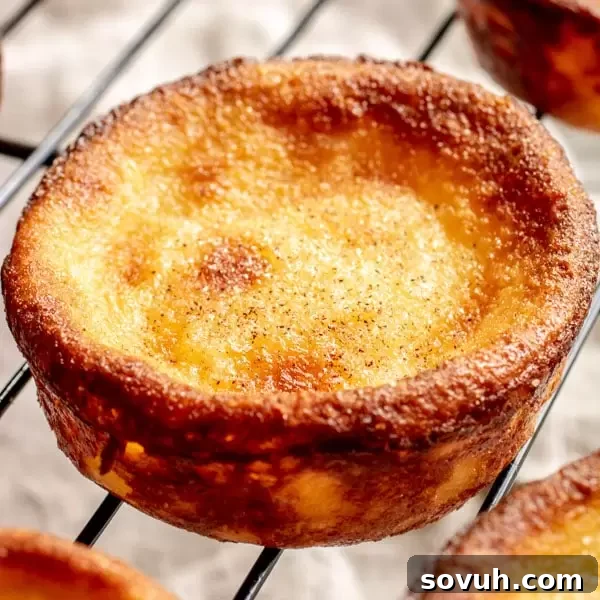
Authentic Portuguese Milk Tarts (Queijadas de Leite): A Delightful Creamy Dessert Recipe
Discover the irresistible charm of Queijadas de Leite, a traditional Portuguese dessert that combines simplicity with an incredibly rich and creamy flavor. These sweet milk tarts are a staple at family gatherings and celebrations across Portugal, offering a taste of authentic Portuguese baking right in your home.
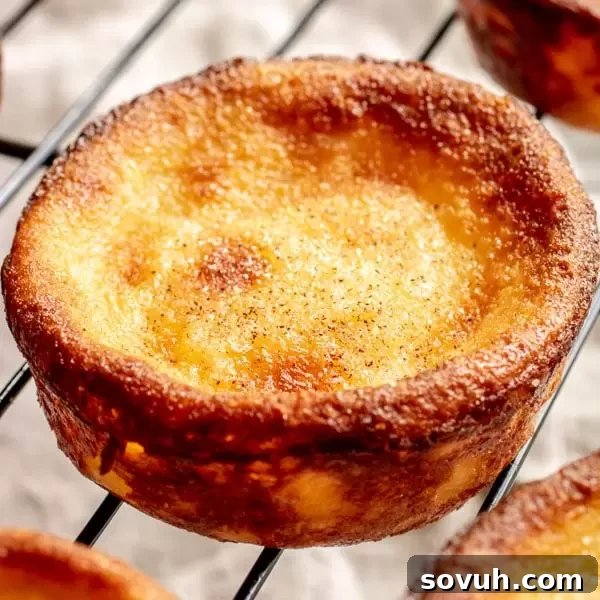
For many, the holidays signal a time for warmth, family, and most importantly, delicious food. As festive seasons approach, what better way to embrace the spirit than by bringing a beloved Portuguese tradition into your kitchen? Queijadas de Leite, affectionately known as Portuguese Milk Tarts, are more than just a dessert; they are a bite-sized piece of cultural heritage, celebrated for their delicate balance of sweetness and a melt-in-your-mouth creaminess. Made with just a handful of staple ingredients—eggs, milk, butter, flour, and sugar—these tarts bake up into golden, irresistible treats that truly encapsulate the comforting essence of Portuguese home cooking. This comprehensive guide will walk you through creating these exquisite pastries, ensuring every bite transports you to the sun-drenched streets of Portugal.
Note: This post may contain affiliate links. That means if you click on a link and make a purchase, we may receive a small commission at no extra cost to you. Thank you for supporting our content!
What Exactly Are Queijadas de Leite? A Journey into Portuguese Culinary Tradition
The name “Queijadas de Leite” directly translates to “Milk Tarts,” a fitting description for these delightful Portuguese custards. While Portugal is famed for its iconic Pastel de Nata (custard tarts with a flaky pastry crust), Queijadas de Leite offer a distinct yet equally captivating experience. Unlike their puff-pastry counterparts, these milk tarts typically form their own thin, slightly caramelized crust during baking, encasing a luxurious, soft, and sweet milk-based filling. They are a testament to the Portuguese culinary philosophy of transforming simple, humble ingredients into something extraordinary, creating a dessert that is both comforting and deeply satisfying.
These traditional pastries are not just found in homes; they are a cornerstone of any good pastelaria (bakery) across Portugal. From bustling Lisbon cafes to quiet village bakeries, Queijadas de Leite stand proudly alongside other beloved sweets. Their small, individual size makes them perfect for a quick treat with coffee, an afternoon snack, or as a charming addition to any dessert platter. Their widespread appeal lies in their unpretentious nature and the profound comfort they deliver with every bite. The texture is key to their allure: a lightly crisp, golden-brown exterior giving way to a rich, silky, and profoundly milky interior that truly melts on your tongue, leaving a delicate sweetness that lingers pleasantly.
Crafting Your Own Queijadas de Leite: A Step-by-Step Guide to Perfection
Making Portuguese Milk Tarts at home is surprisingly simple, requiring minimal effort for maximum reward. The magic happens through a straightforward combination of pantry staples that transform into a creamy, golden delight. Follow these easy steps to bring the authentic taste of Portugal to your table, creating a dessert that’s both impressive and deeply comforting.
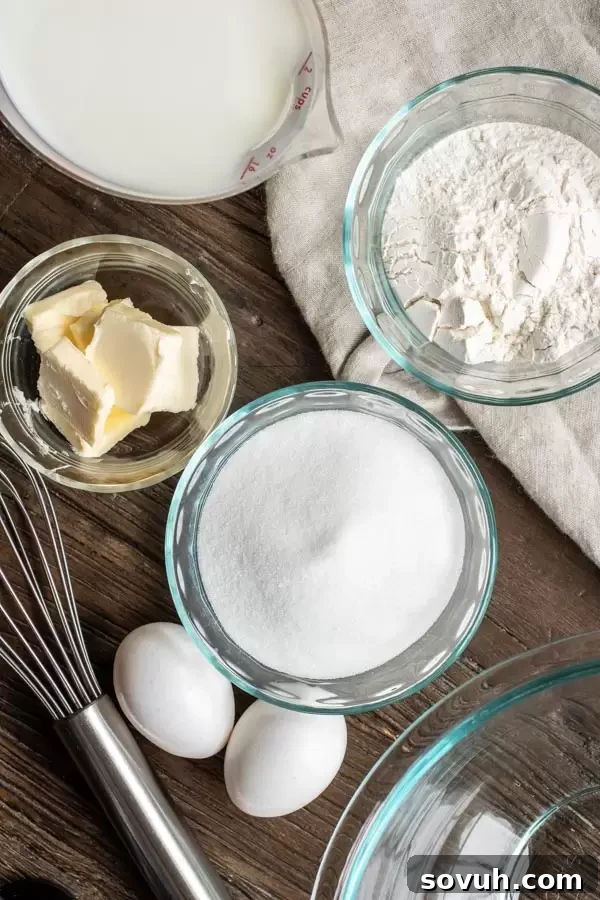
The Essential Ingredients and Their Role:
- Whole Milk: The very heart of Queijadas de Leite. Using whole milk is crucial for providing the essential richness and the luxuriously creamy texture that truly defines this traditional tart. Skim milk might result in a lighter custard, but you would lose some of that authentic, luscious mouthfeel that makes these tarts so special.
- Granulated Sugar: Beyond merely sweetening the custard, sugar plays a vital role in achieving the beautiful caramelization of the tart’s edges and top, contributing to that desirable golden-brown finish.
- All-Purpose Flour: A small, carefully measured amount of all-purpose flour helps to slightly thicken the custard. This provides the filling with just enough body and stability without making it dense or heavy. It’s essential for achieving that delicate, melt-in-your-mouth consistency that Queijadas are known for.
- Eggs: Eggs are multifunctional in this recipe. They act as a primary binding agent, holding the custard together, and contribute significantly to the smooth, velvety texture and rich flavor. Ensuring they are well-beaten before adding helps them incorporate evenly into the mixture, preventing any curdling or unevenness.
- Melted Butter: Incorporating melted butter adds a subtle yet significant depth of flavor and an extra layer of richness, enhancing the overall creaminess and mouthfeel of the tart. It also contributes to the tender crumb of the slight crust.
- Cinnamon Sugar (for topping): While technically optional, a generous sprinkle of cinnamon sugar is a classic Portuguese finishing touch that elevates these tarts. It adds a warm, aromatic spice that beautifully complements the sweet milk custard, providing a delightful contrast and an inviting fragrance.
Preparation Steps for Luscious Queijadas:
- Preheat Your Oven: Begin by preheating your oven to 400 degrees Fahrenheit (200 degrees Celsius). This high heat is important to quickly set the tarts and achieve those lovely golden, slightly crispy edges and a beautifully caramelized top that are characteristic of authentic Queijadas.
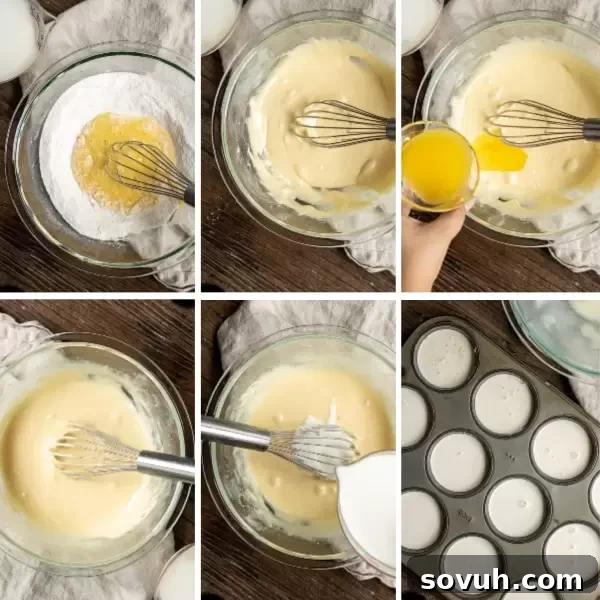
- Prepare Your Dry Ingredients: In a large mixing bowl, combine the 2 cups of granulated sugar with the 1 cup of all-purpose flour. Whisk them together thoroughly using a wire whisk. This step is crucial to ensure there are no lumps in the flour and that the sugar is evenly distributed, leading to a smooth, uniform custard.
- Whisk in Wet Ingredients Gradually: First, gradually whisk in the beaten eggs into the sugar and flour mixture until it’s smooth and well combined. Next, pour in the melted butter, continuing to whisk until it’s fully incorporated. Finally, slowly add the 3 ¾ cups of whole milk, whisking continuously until the entire batter is homogenous, silky, and free of any visible lumps. This gradual addition helps prevent separation.
- Fill the Muffin Tin with Care: Lightly and thoroughly grease a standard 12-cup muffin tin. This recipe typically yields about 24 tarts, so you may need to prepare two 12-cup tins or bake in batches. Carefully pour the smooth custard mixture into each greased muffin cup, filling them to a little more than three-quarters full. Be mindful not to overfill, as the tarts will rise slightly during baking.
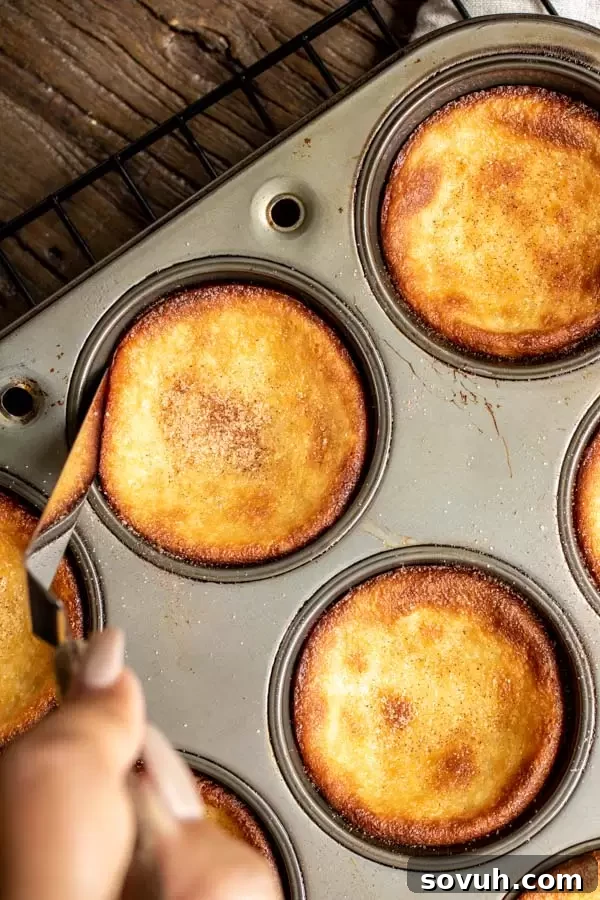
- Bake to Golden Perfection: Carefully place the filled muffin tin on the center rack of your preheated oven. Bake for approximately 30 minutes. The tarts are ready when the sides and tops are beautifully golden brown, and the centers appear set. They should have a slight, delicate jiggle in the very center when gently shaken, indicating they are cooked through but still lusciously creamy inside.
- Careful Removal for Best Results: As soon as the tarts come out of the oven, while they are still hot, immediately run a sharp, thin knife around the edges of each tart to gently loosen them from the muffin tin. Then, carefully lift them out and place them on a wire rack to cool completely. Removing them while hot is key to preventing them from sticking to the pan as they cool and helps preserve their delicate, crisp crust and perfect shape.
- The Aromatic Finishing Touch: In a small, separate bowl, mix together the 1 tablespoon of ground cinnamon and the remaining 2 tablespoons of granulated sugar. Once the tarts have cooled slightly but are still warm, generously sprinkle this fragrant cinnamon sugar mixture over the top of each tart. This classic Portuguese flourish adds an extra layer of warm flavor and a beautiful visual appeal.
Making Ahead and Storing Your Queijadas de Leite: Convenience Meets Deliciousness
One of the many wonderful aspects of Portuguese Milk Tarts is their versatility when it comes to preparation and serving. These delectable treats are traditionally served at room temperature, making them an ideal dessert to prepare in advance, especially when you’re hosting a gathering, preparing for a festive occasion, or simply want to have a delightful treat ready for any moment. Their ability to hold up well and taste fantastic without needing to be piping hot adds a layer of convenience that busy bakers will truly appreciate.
Yes, Queijadas de Leite can absolutely be made ahead of time! If you plan to serve them the next day, simply bake them according to the instructions provided. Once they are fully baked and have been carefully removed from the muffin tin, allow them to cool completely on a wire rack. This is a crucial step; ensure they are at room temperature before storing to prevent any condensation from forming inside the container, which could make them soggy and detract from their lovely texture. Once cooled, transfer them to an airtight container. Store this container in a cool, dry place at room temperature. When stored properly, they will remain wonderfully fresh and delicious for at least one day, making them perfect for potlucks or entertaining.
When you’re ready to serve, simply take them out of their container. If they were stored in a particularly cool spot, allowing them to come fully to room temperature will enhance their creamy texture and flavor profile. There’s absolutely no need to reheat them, as their delicate, milky custard truly shines when enjoyed at a comfortable room temperature.
Clever Tip for Presentation and Handling: For even easier handling, especially when serving guests, and to add a touch of professional elegance, consider placing your Queijadas de Leite into decorative paper cupcake liners after they have completely baked and cooled. This thoughtful touch not only makes them simpler to move from a serving platter to individual plates but also adds a charming, bakery-style presentation to your homemade treats. It’s a small detail that can make a big difference, particularly when you’re aiming to impress.
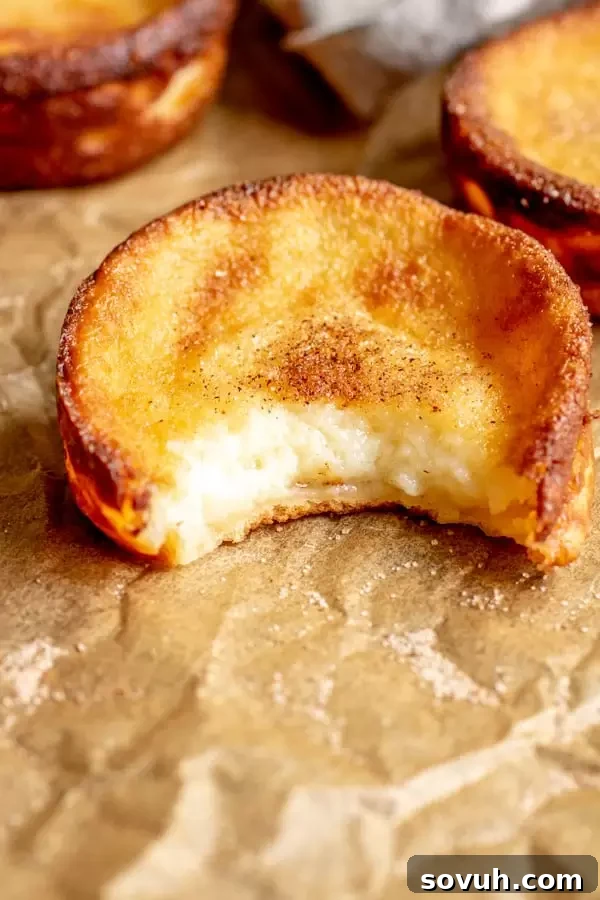
As these Queijadas de Leite bake in the muffin tin, a truly wonderful transformation occurs. The outer edges beautifully crisp up and caramelize, forming a delicate, golden-brown crust that offers a delightful textural contrast. This outer layer gracefully encases the inside, which remains a sweet, soft, and incredibly creamy filling that truly melts in your mouth with every bite. The subtle notes of rich milk and fresh eggs are perfectly balanced by the sweetness of sugar, creating a harmonious flavor profile that is both simple and profound. Add a final, generous sprinkle of aromatic cinnamon sugar on top, and you have not just a dessert, but a classic Portuguese experience that speaks volumes of tradition and taste. These are pastries that are sure to impress your friends and family with their authentic flavor and delightful texture, making every occasion a little sweeter and more memorable.
Explore More Portuguese Delights: Sweet Treats to Try Next!
If you’ve fallen in love with the comforting and authentic taste of Queijadas de Leite, you’re in for a treat! Portuguese cuisine boasts an incredible array of desserts, each with its unique charm, rich history, and captivating flavor profile. Why not expand your culinary journey and explore other traditional sweets that are equally beloved in Portugal and perfect for any occasion?
- Arroz Doce – Portuguese Rice Pudding: A creamy, comforting, and subtly sweet rice pudding often delicately flavored with lemon zest and generously dusted with cinnamon. It’s truly a hug in a bowl, perfect for a cozy evening.
- Bolo de Bolacha – Portuguese Biscuit Cake: A delightful no-bake wonder made with tender layers of coffee-soaked Maria biscuits and a rich, buttery cream. This simple yet incredibly satisfying cake is a staple at Portuguese celebrations.
- Salame de Chocolate – Portuguese Chocolate Salami: A fun and deceptively easy-to-make chocolate dessert that resembles a cured sausage (hence the name!), packed with crunchy biscuits, nuts, and a rich chocolate base. It’s perfect for chocolate lovers and a unique treat to share!
Portuguese Milk Tarts {Queijadas de Leite} Recipe Card
Love this authentic recipe? Don’t forget to Pin it to your Dessert board on Pinterest to easily save it for later!
Follow Home. Made. Interest. on Pinterest for more delicious inspiration and delightful homemade ideas.
Portuguese Milk Tarts {Queijadas de Leite}
Portuguese Milk Tarts, Queijadas de Leite, are a sweet, creamy, traditional Portuguese dessert recipe made with simple ingredients, perfect for any occasion.
Servings: 24 tarts
Prep Time: 10 mins
Cook Time: 30 mins
Total Time: 40 mins
Ingredients
- 2 cups Granulated Sugar
- 1 cup All-Purpose Flour
- 4 large Eggs, beaten
- ½ cup Unsalted Butter, melted
- 3 ¾ cups Whole Milk
- 1 tablespoon Ground Cinnamon (for topping)
- 2 tablespoons Granulated Sugar (for topping)
Instructions
- Preheat your oven to 400 degrees F (200 degrees C).
- In a large bowl, combine the 2 cups of granulated sugar and 1 cup of all-purpose flour. Whisk them together thoroughly until well combined and lump-free.
- Gradually whisk in the beaten eggs into the sugar-flour mixture. Then, add the melted butter, continuing to whisk. Finally, slowly pour in the whole milk, whisking continuously until the batter is smooth and homogenous.
- Lightly grease a standard 12-cup muffin tin. Pour the custard mixture into each greased muffin cup, filling them to a little more than three-quarters full.
- Bake the tarts on the center oven rack for approximately 30 minutes, or until the sides and tops are beautifully golden brown and the centers are set with a slight jiggle.
- Immediately after removing from the oven, run a sharp knife around the edges of each hot tart to loosen them from the muffin tin. Carefully lift them out and place them on a wire rack to cool completely.
- In a small bowl, mix together the 1 tablespoon of cinnamon and 2 tablespoons of sugar. Sprinkle this fragrant cinnamon sugar mixture generously over the warm tarts as a delicious topping.
- Serve the Queijadas de Leite the same day at room temperature for the best experience. They can also be made 1 day ahead of time and stored in a cool place until ready to serve at room temperature.
Nutrition (Estimated Per Tart)
Serving: 1 tart, Calories: 155 kcal, Carbohydrates: 23g, Protein: 2g, Fat: 5g, Saturated Fat: 3g, Cholesterol: 41mg, Sodium: 60mg, Potassium: 66mg, Sugar: 19g, Vitamin A: 220IU, Calcium: 52mg, Iron: 0.4mg
Nutrition Disclaimer: We are not certified nutritionists. Nutrition facts are an estimate and are provided as a courtesy. They are generated by an online API which recognizes ingredient names and amounts and makes calculations based on the serving size. Results may vary.
Course: Dessert
Cuisine: Portuguese