
7 Surprising Nettle Tea Benefits for Immunity and Energy
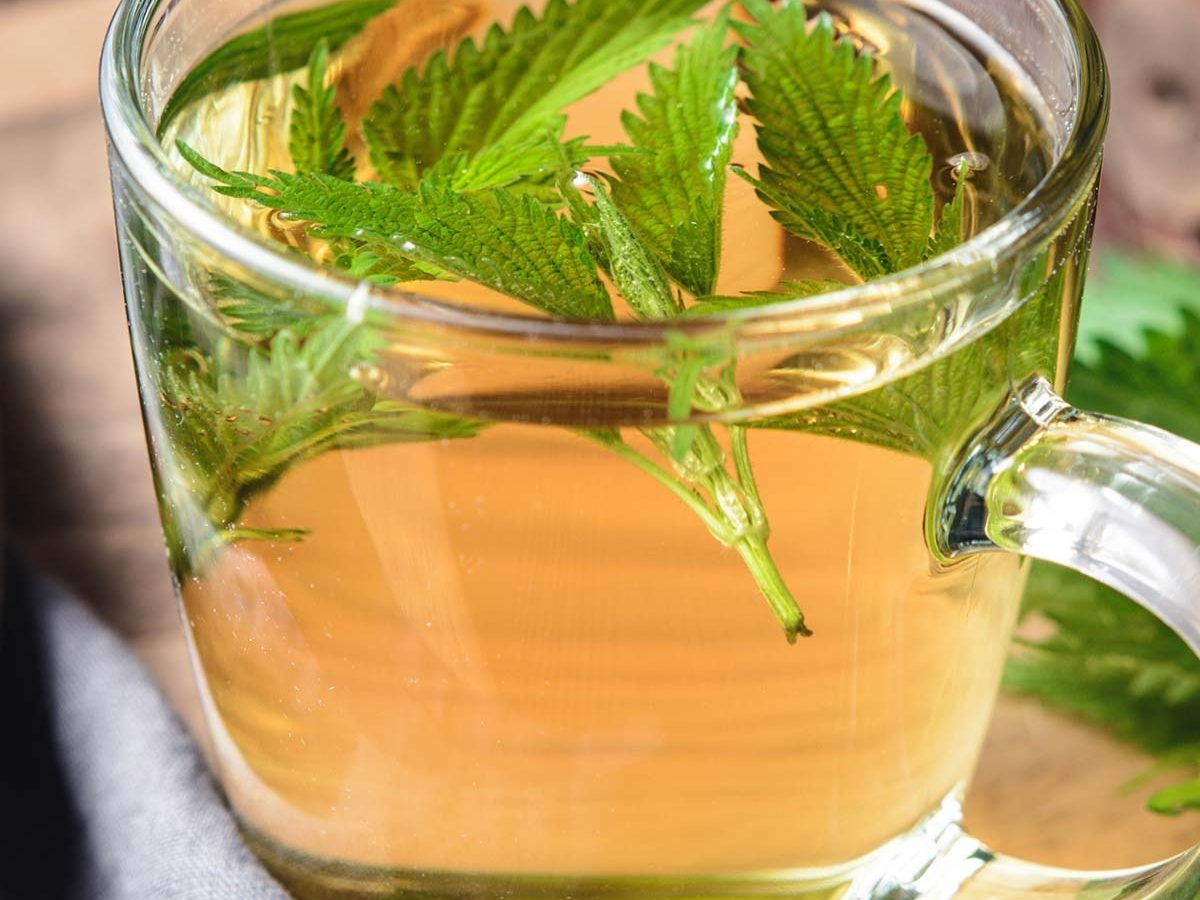
Nettle tea is a traditional, natural remedy often used to ease seasonal allergies and support overall wellness. Made from the leaves of the stinging nettle plant, this caffeine-free infusion is valued for its antioxidants, anti-inflammatory compounds, and heart-supporting nutrients.
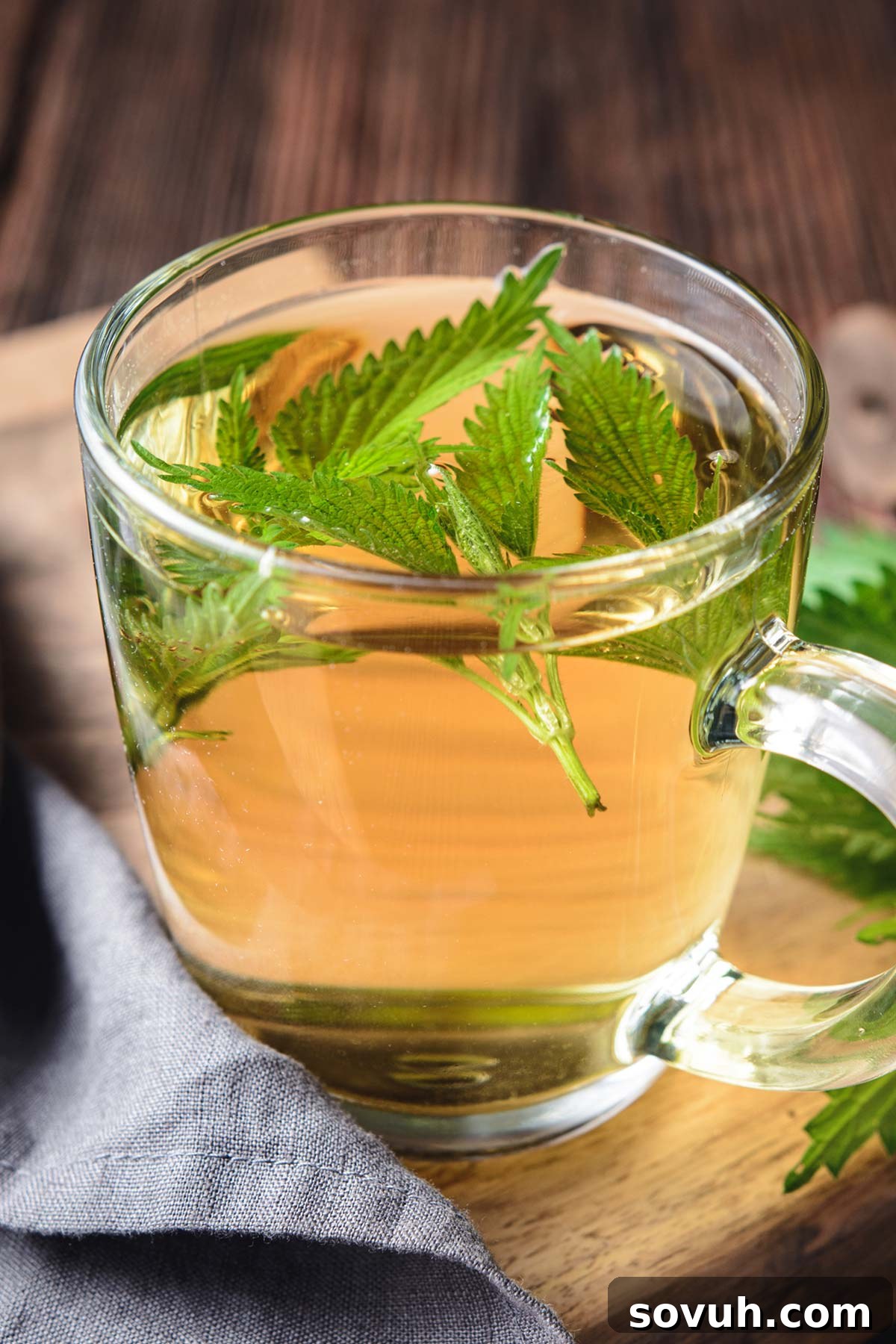
What Is Nettle Tea?
Stinging nettle (Urtica dioica) is a widespread wild plant found across North America, Europe, Asia, and parts of North Africa. The fresh leaves are covered in tiny stinging hairs that can cause temporary irritation on contact, which is why proper drying or heating is important before using the leaves as tea. When prepared correctly—typically by steeping the dried leaves in hot water—nettle produces a delicate, green-tea–like flavor without any caffeine.
7 Nettle Tea Health Benefits
1. Supports Hydration
Nettle tea contributes to your daily fluid intake, helping maintain hydration. Adequate hydration is essential for nutrient transport, temperature regulation, and waste removal. For people who find plain water unappealing, a mild herbal tea like nettle can make it easier to drink enough fluids throughout the day.
2. Naturally Caffeine-Free
Unlike traditional green or black teas, nettle tea contains no caffeine. That makes it a gentle, calming beverage option that can be enjoyed any time of day, including in the evening, without interfering with sleep.
3. Rich in Antioxidants to Reduce Oxidative Stress
Nettle tea is a source of antioxidants such as polyphenols, vitamin C, and carotenoids. These compounds help protect cells from oxidative damage, a process linked to aging and chronic conditions like heart disease and type 2 diabetes. Staying hydrated by drinking herbal teas like nettle can also help reduce oxidative stress that may be worsened by dehydration.
4. Anti-Inflammatory Effects
Chronic inflammation underlies many painful and long-term conditions, including arthritis and inflammatory bowel disorders. Compounds in nettle can help moderate inflammatory pathways and reduce the production of certain inflammatory proteins, which may translate to lower pain and swelling for some people.
5. Supports Heart Health
Nettle tea contains nutrients that can support cardiovascular health. Potassium in the plant helps the body excrete excess sodium, a contributor to high blood pressure. Antioxidants like quercetin may help improve blood vessel function and lower cholesterol, while small amounts of polyunsaturated fatty acids offer heart-friendly fats that can further support healthy lipid levels.
6. May Improve Blood Sugar Control
Nettle has been studied for its potential to help regulate blood sugar. Some research suggests compounds in nettle may enhance insulin secretion or improve insulin action, which can help maintain healthier blood glucose levels. This property makes nettle tea an ingredient of interest for people managing blood sugar, though it should never replace medical treatment or prescribed medications.
7. Helps Ease Seasonal Allergy Symptoms
Seasonal allergies are driven by inflammatory responses and the release of histamine in the body, producing symptoms like sneezing, itchy eyes, and runny nose. Nettle’s anti-inflammatory actions and its ability to reduce histamine release provide a natural approach that many people find helpful for moderating mild allergy symptoms.
Side Effects
For most people, nettle tea is safe and well tolerated. Because the fresh plant can cause skin irritation, it’s safer to use commercially prepared dried leaves or tea blends rather than harvesting and drying fresh nettles yourself. If you have a medical condition, take prescription medications, or are pregnant or breastfeeding, consult a healthcare professional before adding nettle tea to your routine.
Related
- 15 Benefits of Drinking Ginger Tea
- 7 Benefits of Drinking Chrysanthemum Tea
- Jasmine Tea Health Benefits and How to Brew Properly
- 7 Benefits of Drinking Rooibos Tea
- Rose Tea Benefits and How to Brew Properly
- Benefits of Drinking Hibiscus Tea











