
7 Evidence-Based Benefits of Elderberry Tea
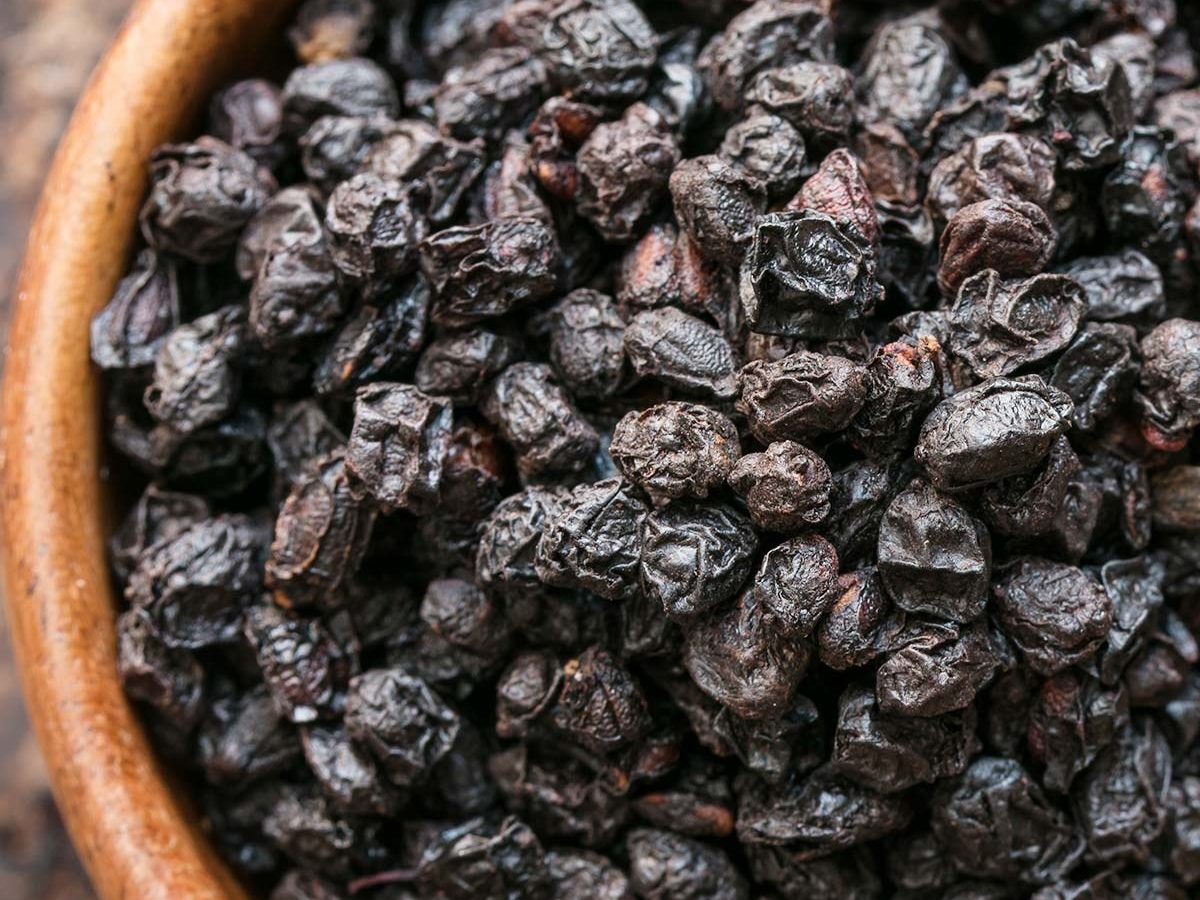
Caffeine-free and richly colored, elderberry tea is a flavorful infusion made from the dark purple-black elderberry fruit. This tart-sweet beverage is enjoyed for its taste and is commonly consumed for potential health advantages that may support the immune system, the heart, and cognitive function.
What Is Elderberry Tea?
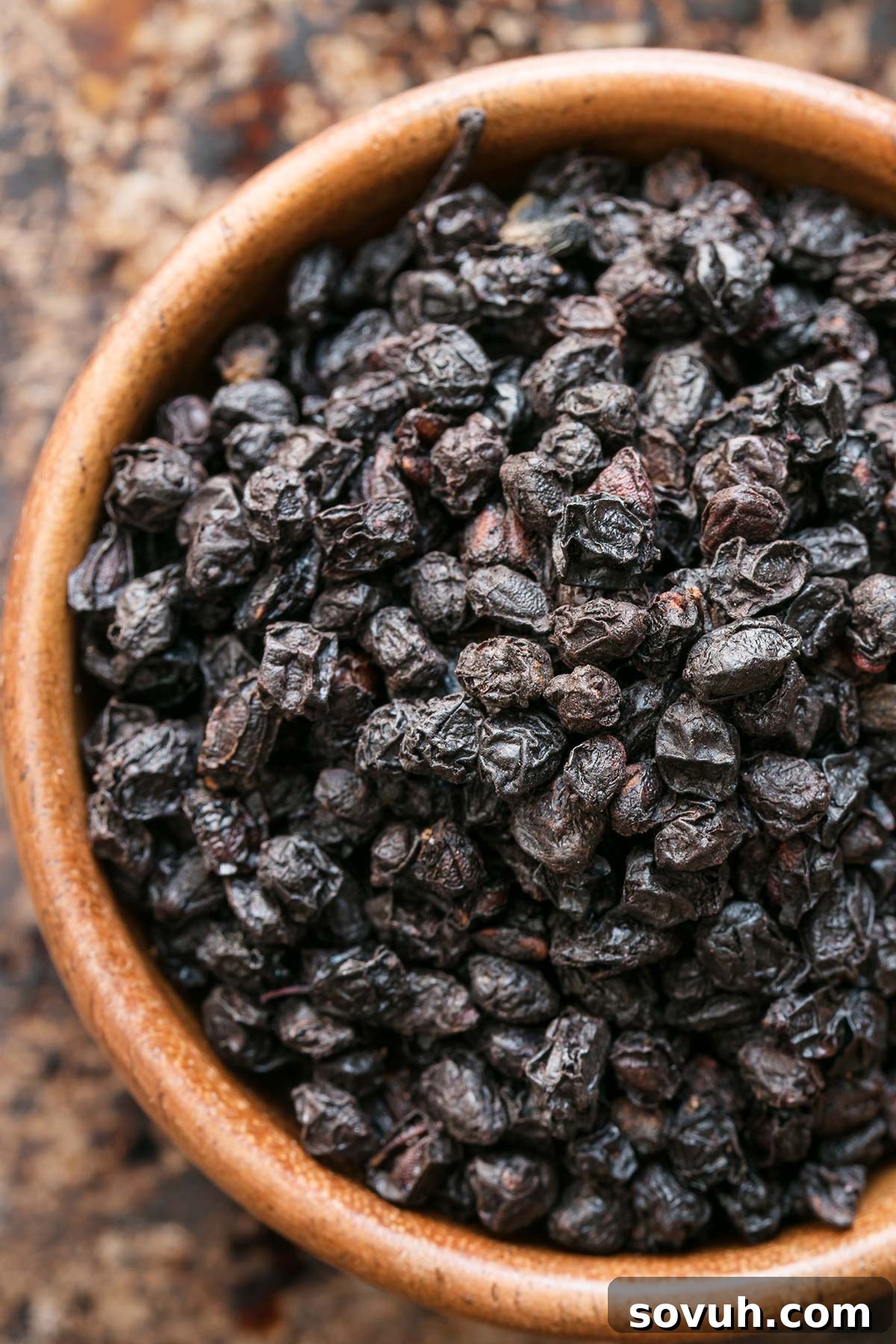
Elderberry tea is made from the small, dark blue-black berries of the elder plant. Two commonly referenced varieties are the American elderberry and the European black elder; the American type typically grows on a shrub in North America, while the European type grows on a small tree. In kitchens worldwide, elderberries are used for syrups, jams, wines, and fillings—brewed elderberries yield a deep purple infusion that is naturally free of caffeine.
To prepare elderberry tea, dried or fresh elderberries are steeped in hot water, often releasing a robust color and a balance of tart and sweet flavors. The resulting tea is versatile: it can be drunk plain or combined with other herbs, citrus, or a touch of sweetener according to taste.
7 Elderberry Tea Health Benefits
1. A Rich Source of Antioxidants
Elderberries contain a variety of antioxidants, including anthocyanins and other polyphenols that give the berries their deep color. Antioxidants help protect cells by neutralizing free radicals and reducing oxidative stress, a process linked to cellular damage. Regularly including antioxidant-rich beverages like elderberry tea can contribute to overall antioxidant intake and support long-term cellular health.
2. May Help Reduce Inflammation
Inflammation is a natural immune response, but chronic inflammation can contribute to discomfort and disease risk. Compounds in elderberries have been observed to reduce markers associated with inflammatory responses. By helping to counter oxidative stress and modulate inflammatory pathways, elderberry tea may aid in keeping inflammatory processes more balanced.
3. Contributes to Hydration
Because it is brewed with water, elderberry tea contributes to daily fluid intake and helps maintain hydration. Adequate hydration is essential for digestion, temperature regulation, circulation, and many metabolic processes. Elderberries also contain minerals such as magnesium, calcium, and potassium, which function as electrolytes and support fluid balance in the body. A squeeze of lemon can add flavor and additional minerals.
4. Supports Immune Health
Elderberry tea provides vitamin C and other bioactive compounds that are commonly associated with immune support. Vitamin C plays a role in immune cell function, and the polyphenols present in elderberries can support a healthy gut environment—an important factor for overall immune resilience. Staying well-hydrated with nutrient-containing beverages like elderberry tea also helps maintain normal immune function.
5. Supports Heart Health
Anthocyanins and other antioxidants in elderberries have been linked to favorable effects on blood lipids and vascular health. These compounds may contribute to healthier cholesterol profiles and protect heart tissue by reducing oxidative damage and inflammation. Including elderberry tea alongside a balanced diet and healthy lifestyle can be one way to support cardiovascular well-being.
6. Promotes Brain Health
The antioxidants in elderberries may offer neuroprotective effects by helping to reduce oxidative stress and inflammatory processes that can affect brain cells over time. By supporting the health of neurons and protecting against cellular damage, compounds in elderberry tea can be part of an approach to maintaining cognitive function and memory as part of an overall healthy lifestyle.
7. May Help Regulate Blood Sugar
Some bioactive components in elderberries are associated with improved cellular glucose uptake and moderation of enzymes that influence carbohydrate digestion. These effects can help stabilize blood glucose levels after meals. While elderberry tea is not a substitute for medical treatment, incorporating antioxidant-rich beverages can be one supportive strategy for metabolic health when combined with appropriate diet and activity.
Side Effects
Though many people tolerate elderberry tea well, allergic reactions are possible. If you have a history of food allergies or sensitivities and you are trying elderberry tea for the first time, consult your healthcare provider. As with any herbal product, start with a small amount to assess tolerance and seek medical advice if you experience any concerning symptoms.
Related
- 7 Benefits of Drinking Moringa Tea
- 12 Benefits of Drinking Peppermint Tea
- 7 Benefits of Drinking Green Tea
- 7 Benefits of Drinking Rooibos Tea
- 7 Benefits of Drinking Dandelion Tea
- How to Brew Butterfly Pea Flower Tea Properly











