10-Step Meal Prep Grocery Guide to Save Time and Money

I didn’t get my driver’s license until I was 17. My mom practically forced me to get it so I could run errands — and once I passed the DMV exam she handed me $40 and a grocery list and sent me off. We had practiced parking, stopping, and three-point turns for hours in an empty lot, and that same focus is how I learned to shop: deliberately, efficiently, and on a budget.
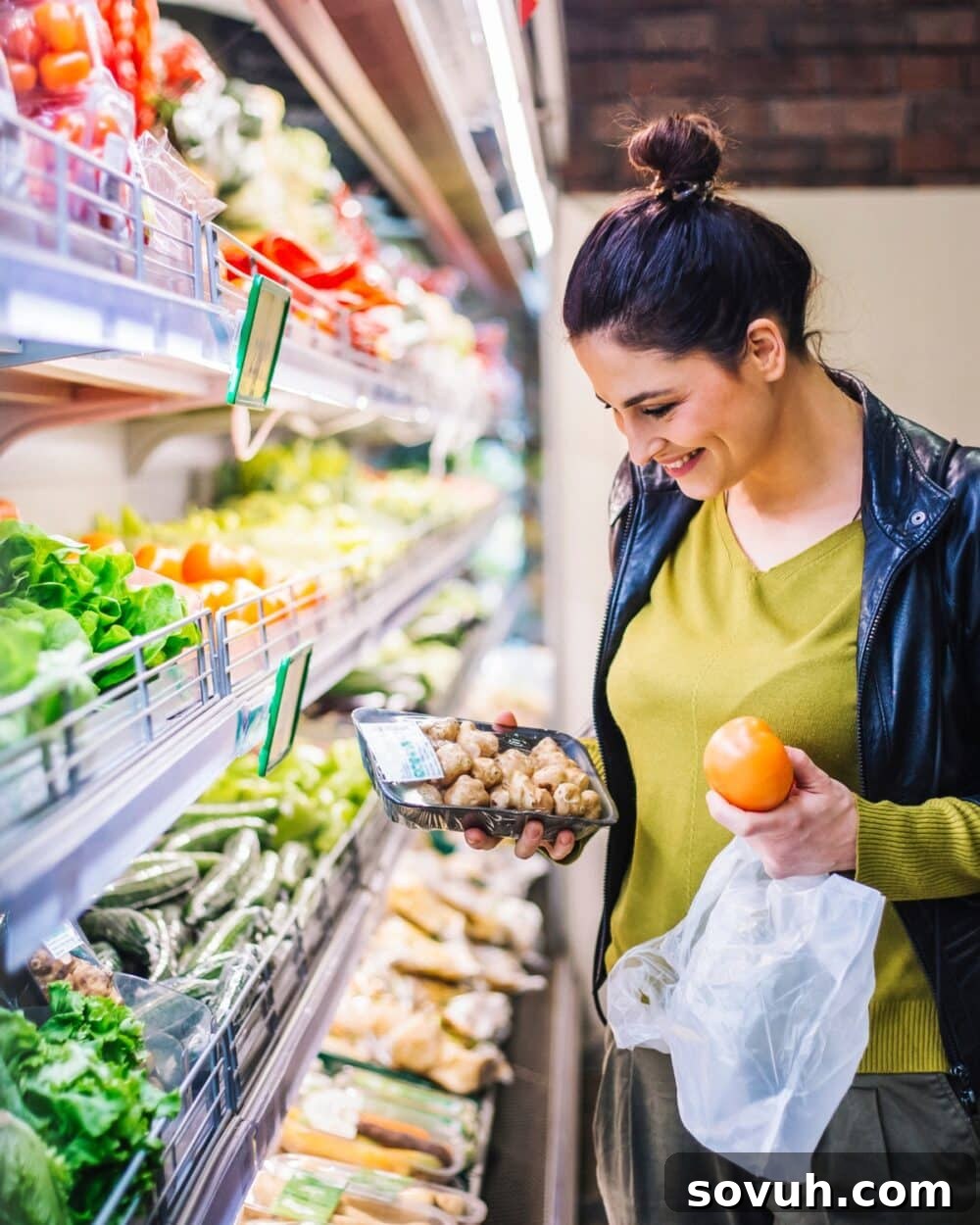
Over the years I sharpened my grocery shopping skills, especially once I started budgeting and learning simple meal prep techniques. Below are practical, time-tested grocery shopping tips that help you save money, reduce waste, and make weekly shopping faster and less stressful.
Prepare
Good grocery trips start with a plan. Think about how your next day, week, or month of meals should look: breakfasts, lunches, dinners, snacks, and beverages. If you’re on a tight budget, plan consistent weekly trips and repeat core items so you can shop smarter and buy only what you’ll use. Planning reduces impulse purchases and food waste.
Make your list
Create a clear shopping list grouped by category: Produce, Pantry, Meat, Fridge, and Other. Use a notes app with checkboxes or a simple paper list—whatever you’ll actually use. If you meal prep, keep your recipes handy so you only buy ingredients you’ll use that week.
Clip coupons
Always check for store deals and digital coupons before you shop. Clipping coupons and scanning for cash-back offers takes only a few minutes but adds up over time. Make note of size and brand requirements for offers so you don’t grab the wrong item at the shelf. Don’t let coupons drive purchases; only use them for items you already planned to buy.
Shop for exactly what you need
Stay focused on your list. Limit impulse treats to one small item if it helps you avoid a larger splurge. Choose generic brands when they offer comparable quality and check the unit price (price per ounce, per roll, etc.) to compare options fairly. For essentials like pet food or laundry detergent, buy what works best for your household, but still check unit pricing.
Arrange your cart
Organize items in your cart as you shop to speed up checkout and protect fragile goods. A good order is: produce on top, canned and boxed goods toward the bottom, meat in sealed bags in the middle or front to avoid dripping, and heavy or non-grocery items underneath. This makes unloading at the register and at home faster and safer.
Be kind and patient with others
Grocery stores can be hectic. Take a breath when you enter and set a calm intention for the trip. Patience keeps interactions pleasant and prevents stress from guiding your choices. A friendly attitude also makes checkout smoother for everyone.
Arrange your items on the conveyor belt
Group refrigerated items together, then dry goods, then non-food items, and finally heavy items. This helps cashiers and baggers and keeps fragile items safe. Be courteous—avoid phone calls at the register, make small talk if appropriate, and have your coupons or loyalty cards ready to speed the process.
Load your own car
Take your groceries to the car yourself to avoid mistakes and get a little exercise. Place delicate items like eggs and bread somewhere safe from heavy bags. If you treated yourself to a small snack at checkout, tuck it in a secure spot so it doesn’t get crushed.
Scan your receipt
Scan or photograph your receipt right away if you use cash-back apps or need to track spending. Doing it in the car prevents lost receipts and ensures you capture rebates while they’re still valid. Tracking receipts also helps you refine your budget and spot recurring purchases you might not need.
Put away & organize
Put groceries away promptly and organize pantry and fridge so the most perishable items are visible and used first. Avoid storing items you won’t use soon, unless they’re long-lasting staples or spices. Clear out leftovers from failed diets or impulse buys—either use them up quickly or donate/compost if they won’t be eaten. This reduces clutter, saves money, and keeps your kitchen functional.
If you want to go further, pair these shopping habits with a simple meal prep routine to save even more time and money each week.
PIN FOR LATER